
Study records decline in most wild bee populations in Europe — The Guardian
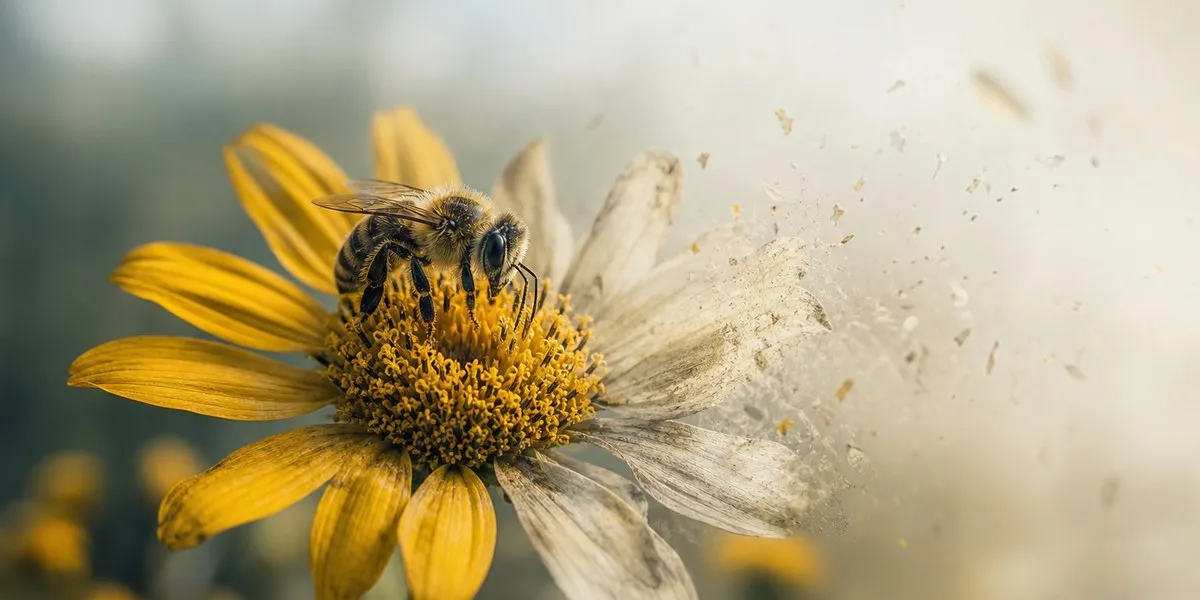
Against the backdrop of the start of the UN biodiversity summit in Yerevan, Armenia, a study has recorded a decline in the populations of most wild bee species in Europe and around half of hoverfly species over the past century. Observation data dating back to 1921 indicate that in all parts of Europe except the Alpine region, there are more bee species with declining populations than those whose populations are increasing, The Guardian reports.
Pollinator data
Researchers analysed data covering 88% of bee and hoverfly species on the continent. In their view, pollinator communities are changing due to the gradual loss of sensitive species and population growth in only a few more resilient species. Scientists warned of deeper functional disruptions if current trends do not change.
In the Atlantic and Continental regions, the study found a sustained decline in the species richness of bees and hoverflies. In other regions, trends were mixed or even positive. At the same time, the indicator of species presence — the probability of detecting a species at a particular site — mostly declined.
More current news is available on the UA.News Telegram channel Telegram.
Risks to biodiversity
According to the study, 91% of species recorded during the past century were also recorded at least once in 2001–2020. This may mean that up to 9% of species may have disappeared in Europe. At the same time, the authors noted that species not recorded recently were often rare in historical records as well, so mass extinctions have not yet occurred, in their view.
The study's lead author, Carlos Martínez-Núñez, an ecologist at the Spanish National Research Council, said that biodiversity loss may be concealed by seemingly stable indicators of species numbers. According to him, the growing populations of individual species do not currently mean that they will remain resilient as climate change and habitat loss intensify.
Nearly 90% of wild flowering plants and more than three-quarters of major food crop species partly depend on animal pollination. At the 17th UN Biodiversity Conference, Cop17, in Yerevan, diplomats are expected to discuss the conservation and sustainable use of nature, as well as the fair sharing of benefits from the use of its genetic resources.




