
Two UN-backed reports warn of damage to ice systems — Anadolu Agency
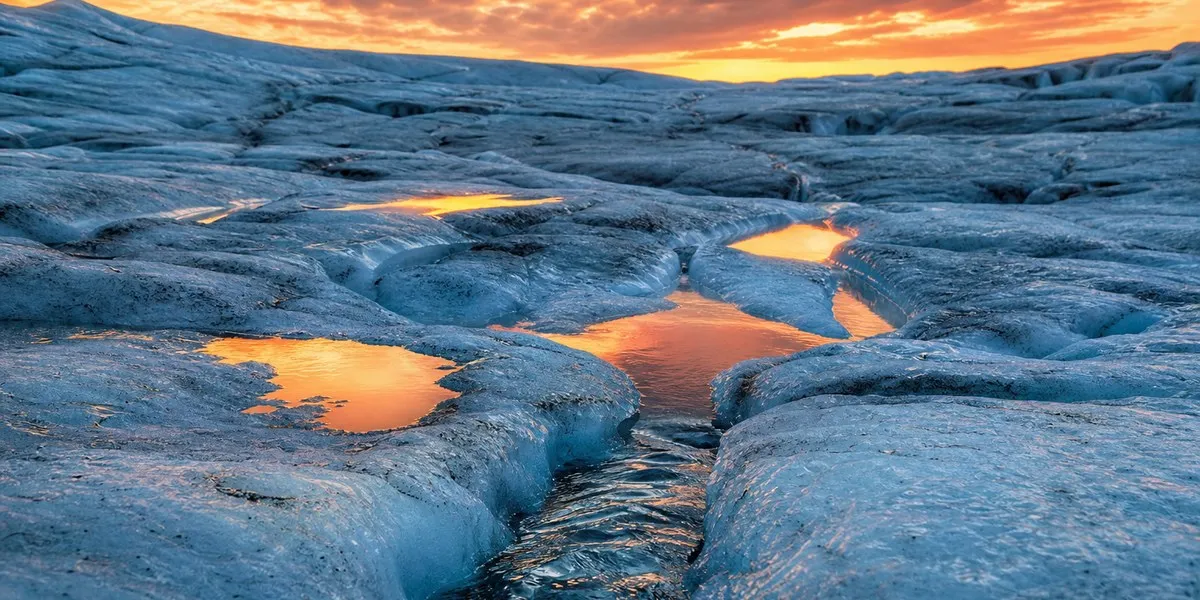
Two reports released with the involvement of the UN Environment Programme and the International Cryosphere Climate Initiative warned that exceeding the 1.5°C global warming threshold could cause widespread and, in many cases, irreversible damage to Earth’s ice systems. This includes ice sheets, permafrost, mountain glaciers, sea ice and polar oceans, Anadolu Agency reports.
Risks to glaciers and water resources
The State of the Cryosphere 2026 report, reviewed and endorsed by more than 50 leading cryosphere scientists, described the current level of warming as already dangerous for the Arctic, Antarctica, mountain glaciers and polar oceans.
The authors cited Switzerland as an example, noting that it has lost 20% of its glacier ice over the past five years. The report said accelerating sea-level rise threatens hundreds of millions of people worldwide, while glacier loss and growing snow scarcity worsen water shortages and hazards in mountainous areas.
Returning to a warming level of 1.5°C could slow ice loss. At the same time, the authors consider a level of about 1°C or lower to be a safer temperature target for ice systems over the coming centuries.
More current news is available on the UA.News Telegram channel Telegram.
Emissions cuts
Another report, Overshoot and the Cryosphere: Averting Global Meltdown, draws on the work of more than 80 polar and mountain scientists. Its authors called for minimizing the temperature threshold overshoot through deep emissions cuts, followed by large-scale carbon removal from the atmosphere.
The document calls for immediately cutting global emissions by at least 5% annually and reaching net-zero greenhouse gas emissions by mid-century. The authors also stressed that the phaseout of fossil fuels must not be delayed.
According to the report’s assessment, limiting warming could slow sea-level rise to rates to which coastal communities can adapt, as well as potentially halt and partly reverse losses of glaciers, snow cover and sea ice. Permafrost thaw can release additional carbon into the atmosphere and intensify global warming.




