
Europe is considering two scenarios for ending the war in Ukraine, according to the Financial Times
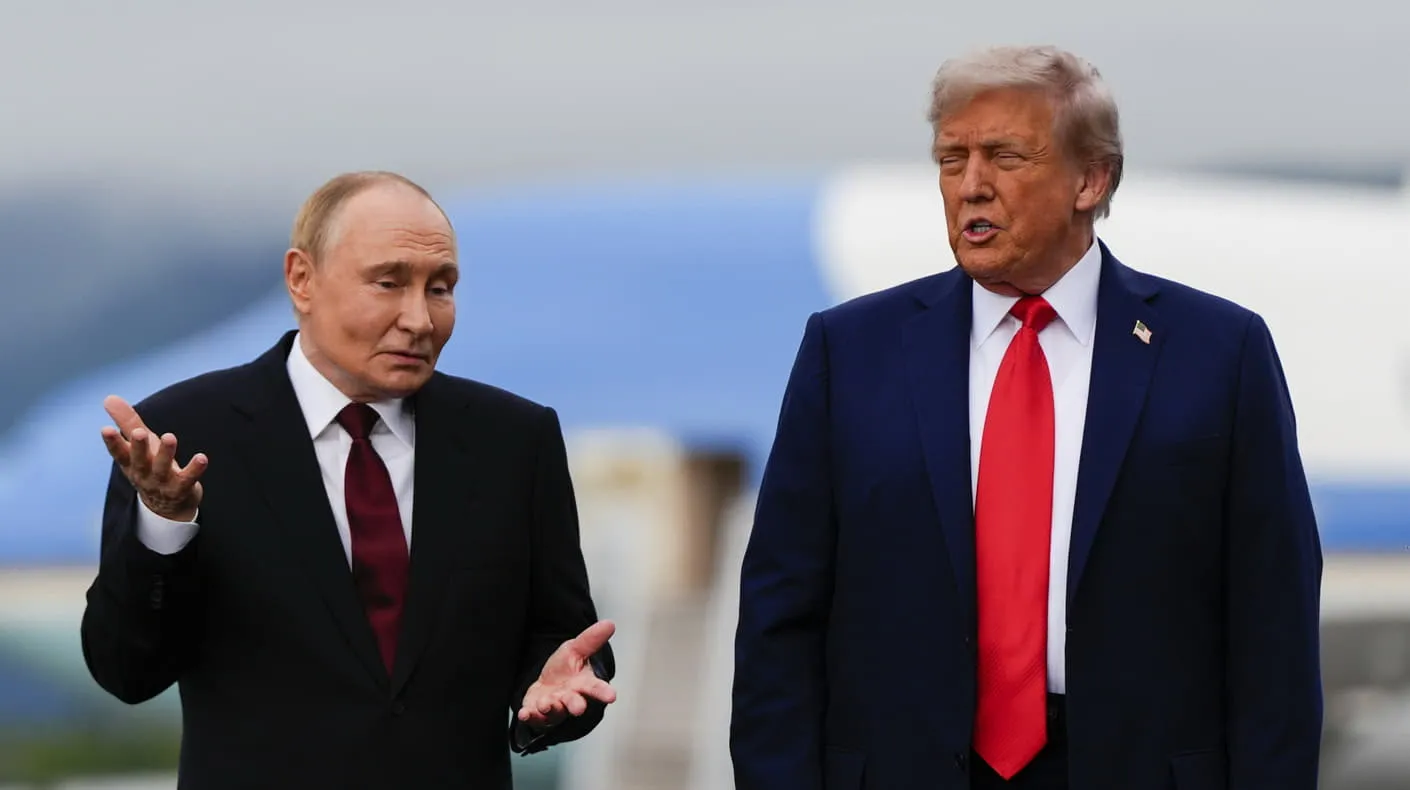
European leaders are considering the possibility of direct negotiations with Russian dictator Vladimir Putin and are discussing two potential scenarios for ending the war in Ukraine. One scenario involves a ceasefire along the current front lines, while the other involves ceding the remainder of the Donbas to Russia in exchange for Ukraine’s potential accession to NATO.
This shift in diplomatic approach comes amid deteriorating relations between Kyiv and Washington and a reduction in U.S. support for Ukraine.
According to the Financial Times, there is a growing consensus in European capitals that negotiations with the Kremlin can no longer be left exclusively to the United States. Channels of communication with the Russian side are already open, and talks between European leaders and Vladimir Putin may take place in the near future.
This shift in approach stems from frustration with the policies of U.S. President Donald Trump. European politicians increasingly believe that attempts to influence the American leader through personal persuasion and diplomatic compliments are not yielding the expected results.
According to the Financial Times, Trump is focused on the midterm elections to the U.S. Congress and is frustrated by what he perceives as insufficient support from European allies on the issue of Iran.
At the same time, Europe fears that Washington is increasingly focused on the possibility of striking economic deals with Russia rather than on long-term security interests.
Despite this, support for Ukraine and sanctions pressure on Moscow remain key components of European policy. Their importance has grown following the suspension of U.S. financial aid, as it is European funds that continue to play a vital role in supporting Ukraine.
The Financial Times outlines two potential scenarios that could be the subject of direct discussions between European leaders and Vladimir Putin.
The first scenario is a freeze of the war along the current line of control. In this case, hostilities would cease at current positions, and Ukraine would receive security guarantees contingent on its never joining NATO.
The second scenario involves ceding the remainder of the Donbas to Russia in exchange for Ukraine’s accession to NATO. It envisages that Moscow would receive territories in the Donetsk region that it does not currently control, while Ukraine would be able to join the North Atlantic Alliance.
At the same time, these are merely possible scenarios, not proposals agreed upon by the parties or agreements that have been reached.
According to the publication, some Ukrainians might perceive either of these scenarios as a betrayal. Furthermore, European politicians doubt that Vladimir Putin would be willing to agree to such terms.
The Russian dictator himself is promoting the idea of a trilateral summit involving Donald Trump and Chinese President Xi Jinping. According to the Financial Times, such a format would align with Moscow’s desire to cement its status as a major power, while leaving Ukraine and its key European partners out of the negotiations.
The Financial Times paid particular attention to the shift in Ukrainian President Volodymyr Zelenskyy’s behavior toward Washington.
According to the publication’s observations, the Ukrainian leader has begun to speak more sharply about Donald Trump, openly discuss restrictions on U.S. satellite services, and suggest that the U.S. president is sympathetic toward authoritarian leaders.
In addition, Kyiv rejected Washington’s demand to halt strikes on Russian energy infrastructure.
According to the authors of the article, the shift in Zelenskyy’s rhetoric may be linked not only to disappointment with the U.S. administration’s policies but also to political calculation. Against the backdrop of Trump’s declining support in polls and the risks facing Republicans in the midterm elections, the Ukrainian president may be attempting to appeal directly to the American public.
Another focus of European policy is reducing dependence on U.S. defense technologies. Of particular importance are the Starshield and Starlink satellite systems, which play a vital role in ensuring communications and meeting Ukraine’s military needs.
Kyiv remains dependent on U.S. satellite capabilities to counter Russian attacks and obtain intelligence. Ukrainian authorities also hope to persuade Washington to expand satellite support for strikes on missile launch sites deep inside Russia.
Despite this dependence, Volodymyr Zelenskyy has adopted a tougher stance toward Donald Trump and Elon Musk. The Ukrainian president has even suggested the possibility that the U.S. might side with Russia.
One high-ranking European source speaking to the Financial Times compared Zelenskyy’s stance to that of Canadian Prime Minister Mark Carney. Carney, too, has shown a willingness to openly challenge Trump and to factor in the risks of unfavorable decisions from Washington.
In this way, Europe is trying to strengthen its own role in future negotiations to end the war, while seeking security options for Ukraine and ways to reduce its dependence on the United States. However, the scenarios described by the Financial Times remain a matter of discussion rather than an agreed-upon plan to end the war.
This is reported by the Financial Times.
U.S. President Donald Trump accused Volodymyr Zelenskyy of being unwilling to end the war. The American leader stated that, in his opinion, the Ukrainian president has not sought an end to hostilities either now or in the past.
More than half of Ukrainians—56%—believe the war will not end before the second half of 2027. At the same time, 62% of those surveyed said they are prepared to endure the war for as long as necessary.




