
China rejects claims that the yuan is undervalued — The Express Tribune
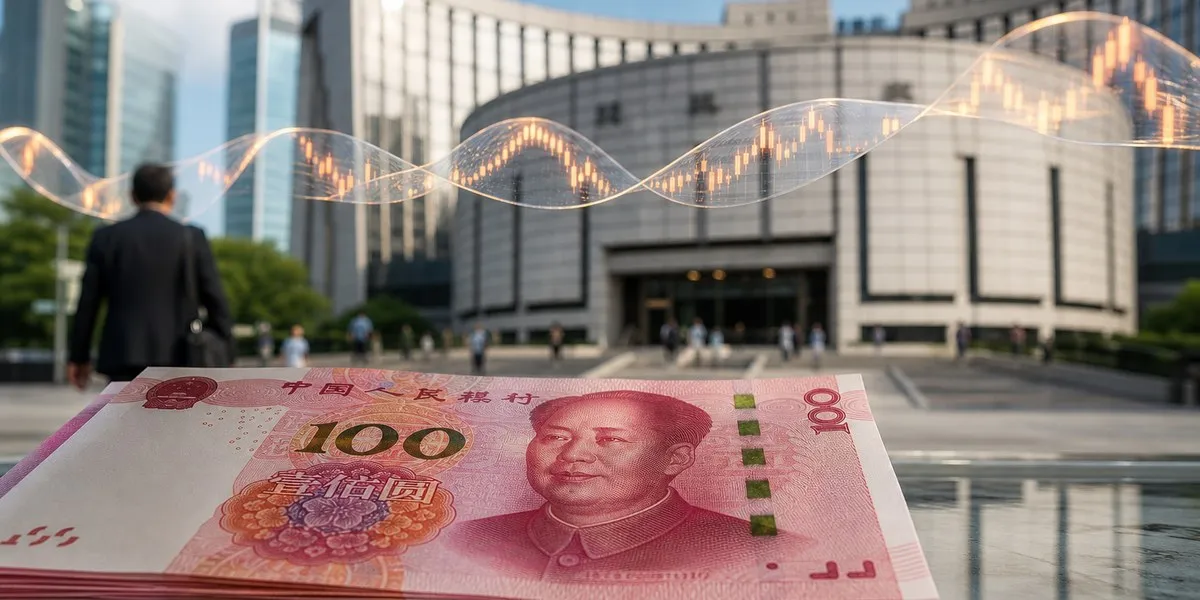
The People’s Bank of China stated that the yuan is not undervalued and that the country has neither the need nor the intention to weaken its national currency to gain trade advantages. In a statement dated October 8, the regulator stressed that the yuan’s exchange rate is formed under a managed floating regime based on supply and demand, with reference to a basket of currencies, The Express Tribune reports.
China’s central bank said it would preserve the decisive role of market factors in exchange-rate formation, but could counter excessive short-term volatility that threatens financial stability. The agency also said it does not set a target exchange rate or intervene to alter its long-term direction. According to the bank, regular foreign-exchange interventions ceased after 2017.
Arguments regarding exports
Beijing linked export growth not to currency weakening, but to industrial competitiveness, developed supply chains, infrastructure, a skilled workforce, and investment in research and innovation. The regulator stated that China would never resort to competitive devaluation.
According to the People’s Bank of China, following the July 2005 reform, the yuan strengthened from 8.27 to approximately 6.7 per U.S. dollar, or by about 23%. The currency’s nominal effective exchange rate rose by more than 50%, while its real effective exchange rate increased by 35%, the regulator said, citing estimates by the Bank for International Settlements.
More current news is available on the UA.News Telegram channel Telegram.
The bank also said that since 2025, the yuan has strengthened by approximately 9% overall against the dollar, despite the strengthening of the U.S. currency and rising yields on U.S. Treasury bonds in 2026. At the same time, the regulator acknowledged that the yuan’s further trajectory remains uncertain due to economic, financial, and geopolitical factors.
Data and transparency
The People’s Bank of China said authorities may use macroprudential tools in the event of sharp short-term fluctuations, including a sudden weakening of the yuan. In its view, direct interventions are possible only in extreme circumstances to limit excessive market fluctuations.
The regulator also pledged to expand the transparency of foreign-exchange statistics. China has reported to the International Monetary Fund under the Special Data Dissemination Standard since 2016 and plans to provide the IMF with additional data related to the foreign-exchange market starting in 2027.




