
Finland’s Transport Ministry calls for transport tax reform — YLE News
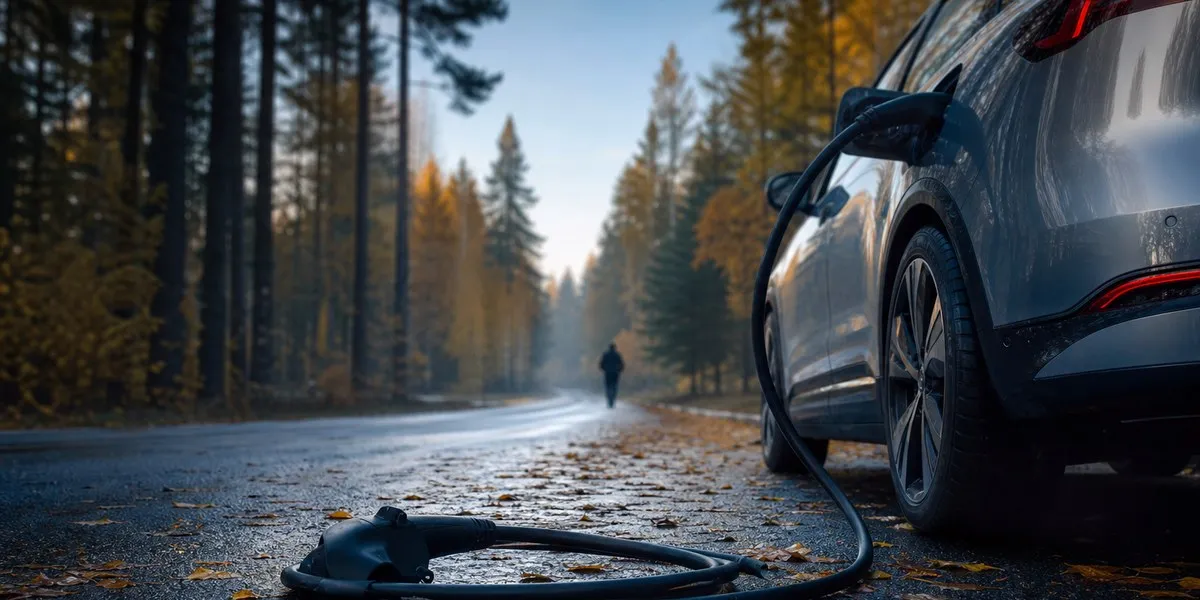
Finland’s Ministry of Transport and Communications has called on the country’s next government to reform transport taxation without delay. The ministry warned that revenue from such taxes will decline significantly over the next decade due to the spread of battery-powered cars, YLE News reports.
Olli-Pekka Rantala, head of a ministry department, said that the current emissions-linked system is working as intended, but its effectiveness is simultaneously weakening the base for budget revenues. The ministry proposes linking the car tax to road maintenance costs. At present, a significant part of this tax depends on the volume of carbon dioxide emissions produced by a vehicle.
Possible tax increase for electric vehicles
According to Rantala, the reform will likely result in stricter taxation of electric vehicles. At the same time, Finland will need to use other instruments to ensure a reduction in road transport emissions in line with its international commitments.
More current news is available on the UA.News Telegram channel Telegram.
The ministry stressed that climate targets should be achieved comprehensively, including through the emissions trading system in transport, energy taxation, fuel distribution obligations and other EU legislation. The new ETS2 emissions trading system for road transport is due to begin operating in 2028 and will affect fuel prices.
Congestion charges and new roads
The ministry is also considering new mechanisms for financing major road and railway projects, including separate charges for users of new motorways or railway lines. The ministry supports the introduction of regional congestion charges in major cities, with the use of these funds to be jointly planned and agreed with the relevant cities.
The statement also drew attention to the condition of transport infrastructure. The accumulated need for road and railway repairs has already reached €4.3 billion and, according to the ministry, will grow. Maintaining the existing network, primarily the busiest routes, was named a priority, while lower-category roads will continue to receive insufficient funding.




