
Deaths of flying foxes reported in eastern Australia — ABC News Australia
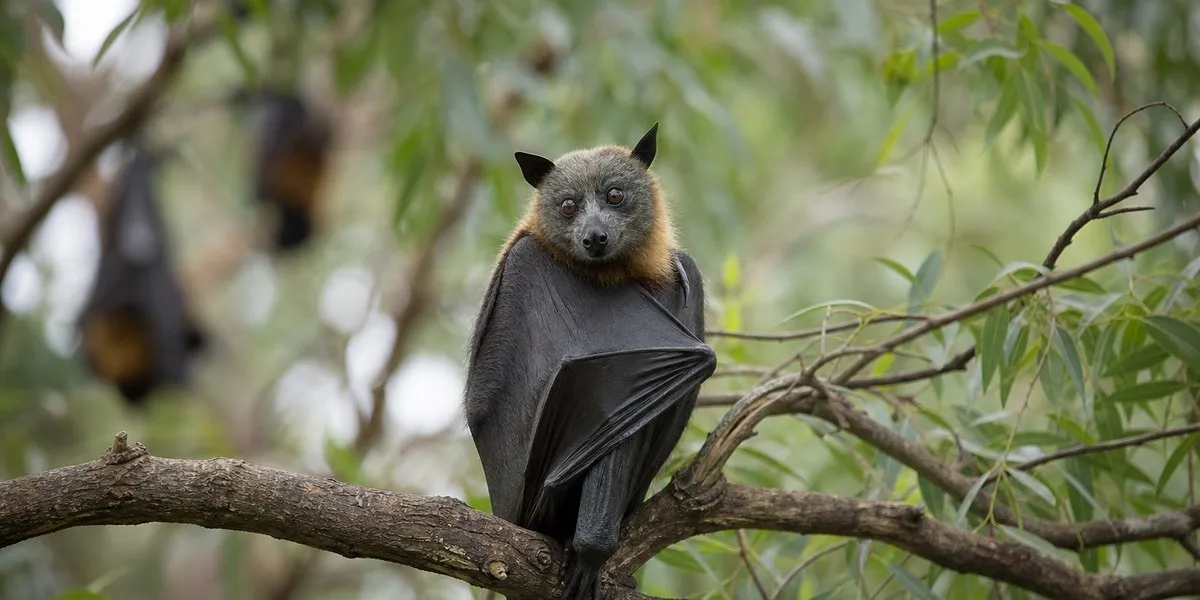
Wildlife carers on Australia’s east coast are reporting numerous cases of death, exhaustion and critical condition among grey-headed flying foxes. As ABC News reports, such calls have been received in recent months from areas stretching from the Mid North Coast of New South Wales to the state of Victoria.
Experts suspect that the animals are suffering from a shortage of nectar in flowering trees linked to dry conditions. This may force the bats to search for food closer to the ground.
Risks for forests
University of Newcastle conservation professor Matt Hayward said that the nectar shortage could affect not only flying foxes but also many Australian birds that depend on this food source.
According to him, grey-headed flying foxes are key pollinators and seed dispersers for forest ecosystems. They can travel up to 50 kilometres in a night and spread seeds over long distances. The scientist stressed that this ability is particularly important amid rapid climate change, when plants need to spread into new areas.
More current news is available on the UA.News Telegram channel Telegram.
There are 11 colonies of grey-headed flying foxes in the Hunter region. One of them, at Blackbutt Nature Reserve in Newcastle, has about 40,000 animals and is considered nationally significant.
Lyssavirus warning
Hunter Wildlife volunteer Kerry Walker called the situation a crisis and said that a decline in flying fox numbers could have cascading consequences for eucalypts, birds and other animals. The organization reported an unprecedented number of calls about dead or dying bats.
At the same time, New South Wales Health warned about the risk of lyssavirus infection. Between September 28 and October 10, health workers assessed 43 people after bat bites, including eight in the Hunter region. The virus is transmitted in saliva through bites or scratches and can cause brain inflammation. Health workers recommend contacting trained wildlife care specialists who have the necessary vaccinations and equipment to handle animals safely.




