
More than 28,000 dangerous items found at Westerplatte — RMF24
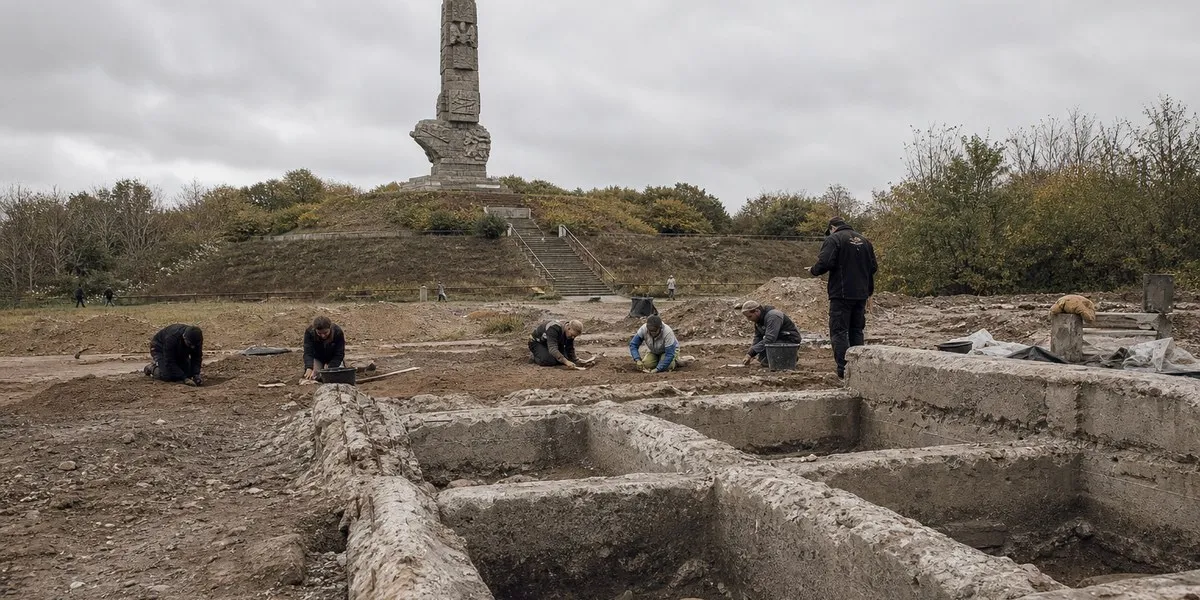
On the Westerplatte peninsula in Poland, archaeologists secured more than 28,000 pieces of ammunition and other dangerous items during a new research season. These were predominantly Mauser rifle cartridges and artillery fuzes. This was reported by RMF24.
Excavations near the former barracks
The thirteenth season of archaeological research lasted from April 9 to August 10, 2026. Specialists examined nearly 500 square meters of the area of the former parade ground and the new barracks of the Military Transit Depot. The excavation at the site of the northern wing of the barracks, built in 1935–1937, covered 292 square meters, while another 187 square meters were examined on the parade ground.
The reinforced-concrete barracks building survived the fighting of September 1939, but its northern wing was destroyed in April 1945 by an explosion of ammunition stockpiled by German troops. Archaeologists also documented part of the crater left by this explosion; its diameter is estimated at 20 meters.
More current news is available on the UA.News Telegram channel Telegram.
Artifacts and human remains
Of the 2,700 items found, nearly 900 were recognized as artifacts of high historical value. They include a base plate for a Polish 81 mm Model 1931 mortar, a fragment of a window frame with camouflage paint in the color of the so-called English pink, and a damaged Polish military mess tin.
During the work, reinforced-concrete remains of an armory, a garage with an inspection pit, and a ramp were also uncovered. According to archaeologist Adam Dziewanowski, researchers reached the level used by Polish defenders in 1939; the main command post, the garrison's main shelter, and a medical station were located there.
Separately, on November 5, 2026, human remains were found during parallel work on the construction of the Westerplatte Museum, alongside Polish military buttons and a bayonet. This equipment may indicate that the remains belong to the sought-after defender of the peninsula, Legionnaire Mieczysław Krzak.




