
Putin reminded the U.S. of the NATO ultimatum he had issued back in 2021
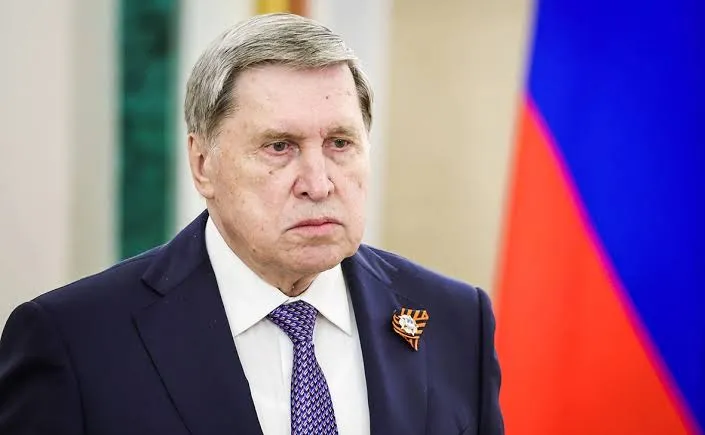
During a meeting with U.S. representatives, Russian dictator Vladimir Putin once again raised the issue of NATO expansion and the Alliance’s military presence in Eastern Europe. This was reported by his aide, Yuri Ushakov, following talks between U.S. envoys Steve Witkoff and Jared Kushner and the Russian president on November 12. Moscow wants to return to discussing the demands it put forward back in 2021, specifically regarding the configuration of NATO forces as of 1997.
According to Yuri Ushakov, during the meeting, Putin reminded the American side of Russia’s proposals regarding the so-called European security architecture. The Kremlin had presented these as draft agreements with the U.S. and NATO back in December 2021.
Among Moscow’s main demands are to halt the Alliance’s further expansion, to refrain from deploying weapons systems near Russian borders that the Kremlin considers threatening, and to roll back NATO’s military presence to the level that existed at the time the Russia–NATO Founding Act was signed in 1997. “The key provisions are the non-expansion of the NATO bloc, the non-deployment of weapons systems that pose a threat near Russian borders, and a return to the Alliance’s force configuration as it stood at the time of the signing of the Russia -NATO Founding Act,” Ushakov stated.
He also added that Moscow wants to supplement its old proposals with new demands. According to him, Russia will take into account the lessons it has allegedly learned from the current situation in its relations with the West.
What Russia Demanded from NATO in 2021
In December 2021, a few months before the start of the full-scale invasion of Ukraine, the Kremlin released draft agreements on so-called security guarantees. Russia demanded that the U.S. and NATO prevent further expansion of the Alliance—in particular, Ukraine’s accession—and limit NATO’s military activities in Eastern European countries.
Separately, Moscow insisted that the Alliance not deploy additional troops and weapons in the territories of states that joined NATO after 1997. In effect, Russia wanted to revise the Alliance’s military presence in the region and return to the conditions that existed prior to its further eastward expansion.
It is precisely the Russia–NATO Founding Act of May 27, 1997, to which the Kremlin is now appealing once again. This document defined the principles governing relations between the parties and, in particular, contained provisions regarding military forces. NATO stated that, under the circumstances at the time, it did not plan to permanently deploy significant combat forces on the territory of the Alliance’s new member states. At the same time, the document did not grant Russia the right to veto NATO decisions nor did it restrict the right of states to independently choose the means of ensuring their own security. NATO rejected Russia’s demands at the time. The Alliance emphasized that every state has the right to decide independently which security alliances to join.
Moscow Wants to Discuss a New Security System with the U.S.
After meeting with U.S. representatives, Ushakov stated that Russia is ready to immediately begin negotiations with the U.S. on a new long-term European security system. “The current system isn’t working; that’s obvious to everyone. And we hope that representatives of European countries will also support efforts to agree on the parameters of a new long-term security and peace architecture, which we are ready to begin working on immediately together with U.S. representatives,” said Putin’s aide.
In this way, the Kremlin is attempting to shift the negotiations beyond the issue of ending the war against Ukraine. Moscow wants to discuss broader security arrangements across the entire European continent, including NATO’s role and the presence of its troops in the region.
Europe opposes agreements reached without its participation
The idea of creating a new security architecture has already raised concerns among European leaders. They fear that Russia is trying to use the negotiations on ending the war to push for a revision of security rules in Europe and gain influence over NATO’s decisions.
On November 12, during a meeting in Dublin, European leaders emphasized that the future of the continent’s security cannot be decided without the participation of the European states themselves. French President Emmanuel Macron stated that it is up to Europeans to determine what their security will look like. German Chancellor Friedrich Merz also called on Russia to engage in direct dialogue with European representatives.
The head of European diplomacy, Kaja Kallas, noted that a European security system already exists, but Russia does not adhere to its principles. She also emphasized that a ceasefire in Ukraine must be achieved first, and only then can broader agreements be pursued. Thus, returning to the 2021 demands remains one of the Kremlin’s priorities. Moscow is now attempting to discuss these demands with the U.S. as part of a broader agreement on security in Europe, although European countries oppose decisions that could be made without their participation. This was reported by .
Only Ukraine has the right to determine the fate of its own territories during negotiations with Russia. NATO voiced this position when commenting on the meetings in Abu Dhabi. NATO also expressed doubts about Moscow’s readiness for constructive dialogue and suggested that the Russian side might once again put forward the same demands it had made back in 2022.
The North Atlantic Alliance has begun revising its military requirements for member countries, focusing resources on countering Russia rather than preparing for operations outside Europe. This process could mark the biggest change in NATO’s military planning in the last 20 years.




