
Russia Resumes Grain Exports from the Sea of Azov
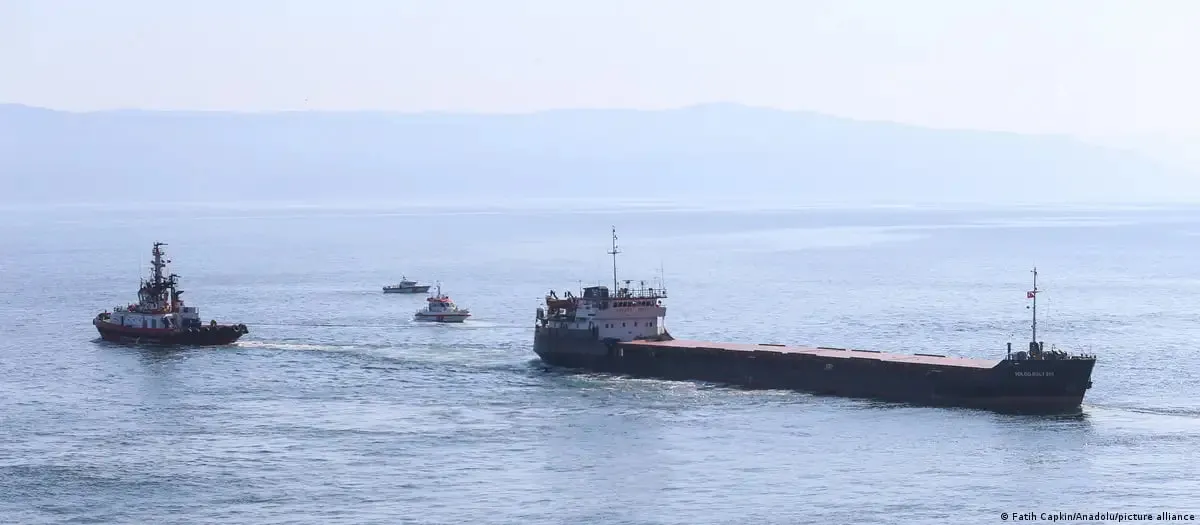
Russia has issued permits for ships carrying grain exports to leave the Sea of Azov. This is the first time this has happened since July 10, when maritime traffic in the area was halted due to attacks by Ukrainian drones. Thus, after a hiatus lasting more than three and a half months, Russia is reopening the export route.
According to sources, the ships will pass through the Kerch Strait, which connects the Azov and Black Seas. The exit permits will be valid until November 15, so exporters will have about two and a half weeks to ship the cargo that has accumulated during the hiatus.
According to two sources, grain ships will be escorted by naval forces as they pass through the Black Sea. This is intended to ensure the safety of shipments, though this measure also indicates that significant risks to shipping in the region remain.
The suspension of shipping in the Sea of Azov began on July 10. At that time, maritime traffic in the area was completely shut down due to attacks by Ukrainian drones. Subsequently, operations at the port of Kavkaz were halted, and starting in mid-July, shipments—even from deep-water terminals on the Black Sea—were reduced to a minimum.
During this period, Russian exporters were forced to reroute cargo to ports on the Baltic Sea, leading to higher logistics costs and longer delivery times.
This week, Russian Deputy Foreign Minister Alexander Alimov stated that Russia is considering various proposals to ensure the safe transport of grain through the Black Sea and is maintaining contact with Turkey on this issue.
This was reported by Russian propaganda media.
As a reminder, Russia is redirecting grain exports to Arctic ports due to the closure of the Black Sea.
Putin has ordered the purchase of grain from farmers amid problems with exports through Russian ports.
As a reminder, Russia has rejected all options for a grain agreement that could allow for the resumption of agricultural exports via the Black Sea. Ukraine’s Minister of Agrarian Policy, Taras Vysotsky, told Bloomberg about this. According to him, Kyiv received this information from countries that had attempted to establish a dialogue with Moscow.




