
Holiday on November 10, 2026 — Day of Panama's First Declaration of Independence
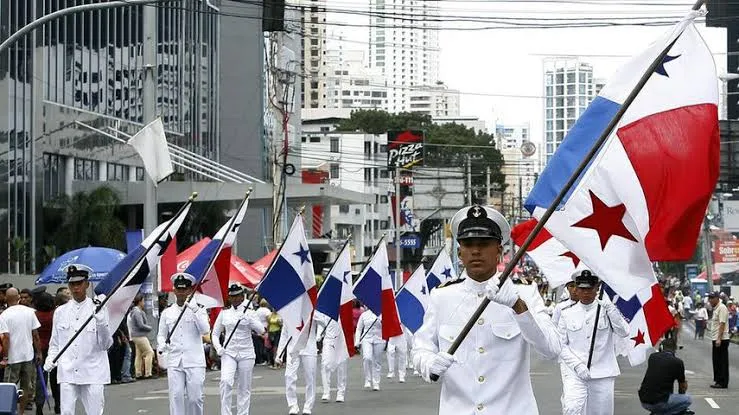
On November 10, Panama celebrates the Day of the First Declaration of Independence from Spain. This date is linked to the events of 1821, when the residents of the town of La Villa de Los Santos rose up against Spanish colonial rule and declared their desire for freedom. Their uprising was one of the first significant steps toward Panama’s final declaration of independence on November 28 of that same year.
The holiday on November 10 is known in Panama as the First Cry for Independence of La Villa de los Santos. Its history began in the early 19th century, when Spanish colonies in Latin America began, one after another, to fight for independence. At that time, the Isthmus of Panama was under Spanish rule and was part of its colonial possessions in the region. However, ideas of independence were already spreading among the local population. People were increasingly speaking out against colonial rule and seeking to determine the fate of their land on their own.

The city of La Villa de Los Santos, located in the province of the same name in the south of the country, played an important role in these events. It was there, on November 10, 1821, that local residents rose up against Spanish rule. The movement was led by Segundo Villareal, one of the influential members of the local community. He was joined by other residents who supported the idea of breaking away from the Spanish crown.

According to historical accounts, the participants in the uprising seized the local military barracks, after which the city declared its freedom from Spanish colonial rule. The event came to be known as the “First Cry of Independence” and served as a signal to other settlements. The communities of Natá, Penonomé, Ocu, and Pariti joined the movement. Thus, the quest for independence gradually grew into a broader movement across the Isthmus of Panama.

One of the most famous figures in this story was Rufina Alfaro. According to a popular account, she helped the rebels by passing on information about the Spanish garrison. In folklore, she is also credited with being the person who shouted “Freedom!” after the uprising began. Rufina Alfaro subsequently became a symbol of patriotism and the struggle for Panama’s independence. At the same time, historians do not agree on all the details of her involvement in the events. Part of the story about her has been preserved precisely in local folklore, so her role should be considered with this in mind.

The events of November 10 did not mean that all of Panama had definitively broken free from Spanish rule. It was the beginning of a broader process that lasted several more weeks. An important next step was the declaration of independence in Panama City on November 28, 1821. At that time, the city council convened a public meeting, at which civilian, military, and religious representatives officially announced the severance of ties with the Spanish crown. November 28 is considered the date of Panama’s final declaration of independence from Spain.
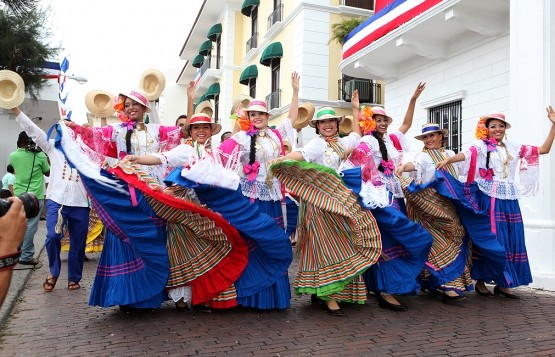
Afterward, the new state faced the challenge of ensuring its own security and preserving its independence. The Isthmus of Panama had limited military resources and feared a possible return of Spanish troops. Therefore, local leaders considered options for uniting with other states in the region. Ultimately, Panama voluntarily joined the Republic of Colombia, led by Simón Bolívar. Thus, the declaration of independence from Spain in 1821 marked a distinct stage in the country’s history, rather than the birth of the modern, independent Republic of Panama. Panama later separated from Colombia on November 3, 1903.
How Panama Celebrates November 10
Today, the First Cry of Independence is one of Panama’s most important national holidays. The main celebrations traditionally take place in La Villa de los Santos, as this city is closely linked to the events of 1821. Government officials, local authorities, schoolchildren, college students, and residents from various regions of the country join in the celebrations. For Panamanians, this is not only an opportunity to commemorate a historic event but also a chance to honor the people who took the first steps toward liberation from colonial rule.

The day usually begins with official ceremonies. The national flag is raised, flowers are laid at monuments, and solemn events are held with the participation of government officials. In La Villa de los Santos, ceremonies take place at historic sites associated with Rufina Alfaro and participants in the independence movement. Religious services, formal sessions of the local council, and speeches by officials may also be held.

Traditional parades are a special part of the celebration. Schoolchildren, representatives of government agencies, musical groups, and community organizations march through the city streets. Participants carry flags, and brass bands play national music. Traditional Panamanian costumes are also a common sight at these festivities. Women wear colorful national dresses—known as poller—while men often opt for traditional shirts and hats known as montuno.
Folk music performances create a special atmosphere. Traditional Panamanian music is played during the celebrations, including tamborito—a genre that combines singing, drums, and dance. Some festive parades feature decorated carts pulled by oxen or horses. Such processions serve as a reminder of the country’s rural life and help preserve local customs. Therefore, the festival combines not only historical memory but also a celebration of Panama’s cultural heritage.
Interesting Facts About the Festival
- One of the places directly linked to the events of November 10 is the former city council building in La Villa de los Santos. Today, it houses the Museum of Nationality, also known as the Cabildo House. It was opened in 1974. The museum houses documents and artifacts related to Panama’s history, particularly the struggle for independence. The exhibition also introduces visitors to the country’s pre-Columbian past, colonial art, and traditional cuisine.
- Another interesting detail is that November in Panama is generally packed with dates related to national history. On November 3, the country celebrates its separation from Colombia; November 4 is Flag Day; and November 10 commemorates the first uprising against Spanish rule. At the end of the month, on November 28, the actual declaration of independence from Spain is celebrated. For this reason, November is often called Homeland Month: during this period, celebrations, parades, and cultural events take place throughout the country.
- November 10 holds special significance for Panama, as it commemorates the beginning of a movement that would later change the country’s history. This date commemorates not the final declaration of independence, but the first high-profile protest against Spanish colonial rule. That is why La Villa de los Santos remains one of the main symbols of Panama’s struggle for freedom to this day.




