
Masts removed from sunken SS Richard Montgomery in Britain — The Guardian
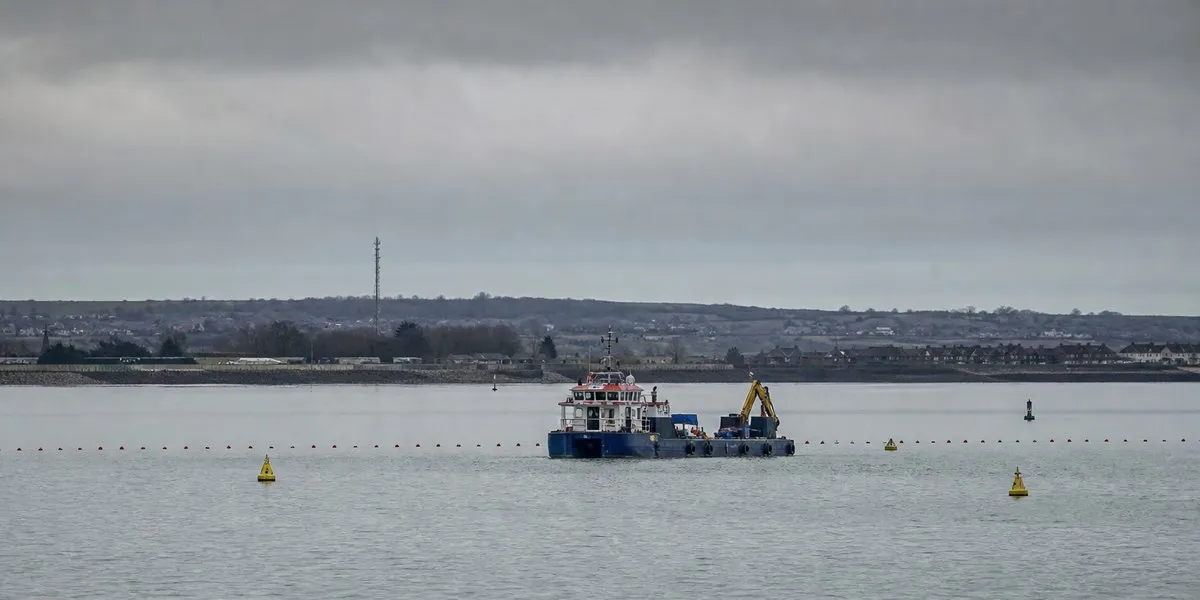
In the United Kingdom, engineers have completed the dismantling of three masts from the sunken Second World War-era cargo ship SS Richard Montgomery in the Thames Estuary near Sheerness. Approximately 1,400 tonnes of munitions remain aboard the vessel, which sank in 1944. The work was carried out without the explosion that had been feared for decades, The Guardian reports.
The masts could have damaged the hull
The masts of the SS Richard Montgomery protruded above the water near Sheerness. They were dismantled over concerns that the structures could fall onto the dangerous cargo and cause an explosion. Maritime Minister Keir Mather told the House of Commons that all three masts had been successfully removed as part of a complex project requiring specialised engineering solutions and risk management.
According to him, the masts placed significant strain on the vessel's structure, and their removal reduced this risk and should contribute to the site's long-term safe management. The work was completed ahead of schedule and at a cost below the projected £9.5 million.
More current news is available on the UA.News Telegram channel Telegram.
Munitions and restrictions
The exact composition of the cargo in the ship's three holds is unknown. However, a defence agency report estimated that it could include nearly 300 bombs weighing 2,000 pounds, or about 900 kilograms each, as well as more than 2,000 cluster bombs.
Experts assessed the possible consequences of an explosion after the ship had spent 82 years underwater differently. A 2000 UK government report stated that an explosion would pose a risk to property and the local population. The masts were transferred to the Historic Dockyard Chatham maritime museum in Kent because of the historical significance of the SS Richard Montgomery and its role in supporting Allied forces during the Second World War.
A navigation exclusion zone and permanent monitoring will remain in place around the wreck. Since 2025, a flight ban has also been imposed over the crash site.




