
In Pakistan, gasoline rose by 145.13 rupees per liter — The Express Tribune
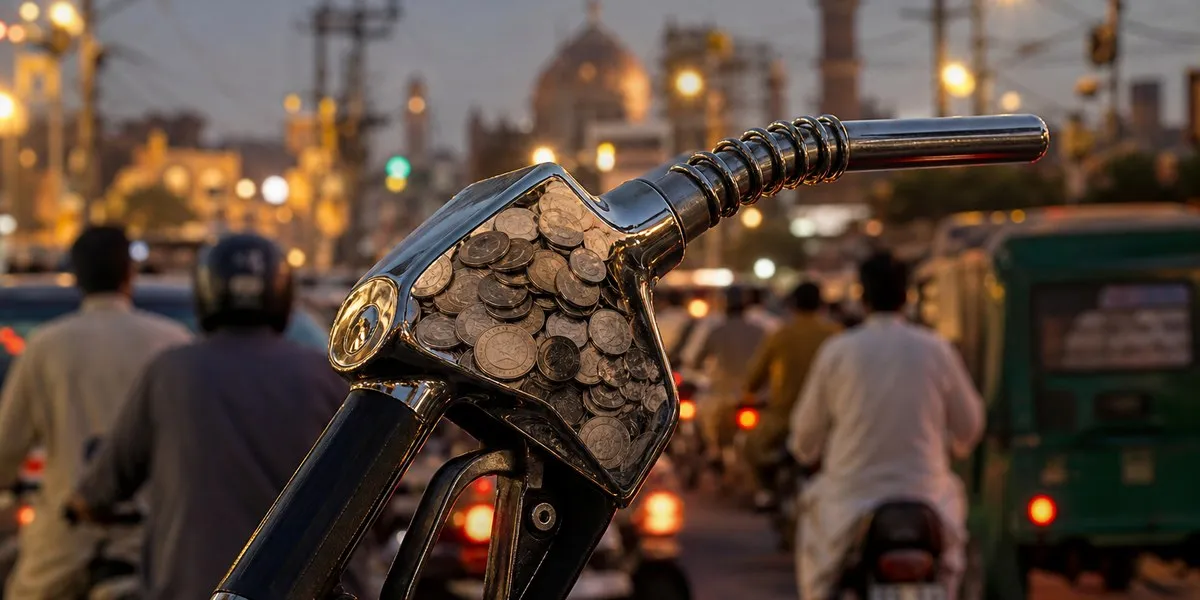
In Pakistan, as of October 10, 2026, a liter of gasoline cost 398.30 Pakistani rupees, 145.13 rupees more than at the beginning of the year. The price of diesel fuel rose by 139.16 rupees over the same period, to 396.24 rupees per liter, The Express Tribune reports.
After daily price reviews were introduced on July 21, the price of gasoline was raised 35 times and reduced 22 times. For diesel fuel, there were 34 increases and 23 reductions. Prices reached their highest levels on April 3: gasoline then cost 458.41 rupees per liter, while high-speed diesel cost 520.35 rupees.
What affects prices
Domestic petroleum product prices are affected by fluctuations in global oil quotations, tensions in the Middle East, import costs, and changes in the Pakistani rupee exchange rate. The retail price also includes import costs, levies, customs duties, and other components, so a decline in global oil prices does not necessarily mean a proportional reduction in fuel prices for consumers.
More current news is available on the UA.News Telegram channel Telegram.
Pakistan depends on imports of crude oil and refined petroleum products. In July and August, the first two months of the 2026–2027 fiscal year, the country imported about 2.001 million tonnes of crude oil. Imports of crude oil and finished gasoline are separate categories.
Pressure on household expenses
Rising gasoline prices increase expenses for motorcyclists, private car owners, rickshaw drivers, and people who commute to work every day. More expensive diesel raises operating costs for buses, trucks, agricultural machinery, and freight transport, which may affect the cost of food, construction materials, and other goods.
According to the Pakistan Bureau of Statistics, annual inflation stood at 10.26% in September, while consumer prices rose by 1.27% during the month. Transport costs increased by 5.75% compared with August, while urban motor fuel prices rose by 10.76%. Higher electricity prices became an additional factor putting pressure on household budgets.




