
Scientists have reconstructed the face of a Denisovan who lived nearly 200,000 years ago
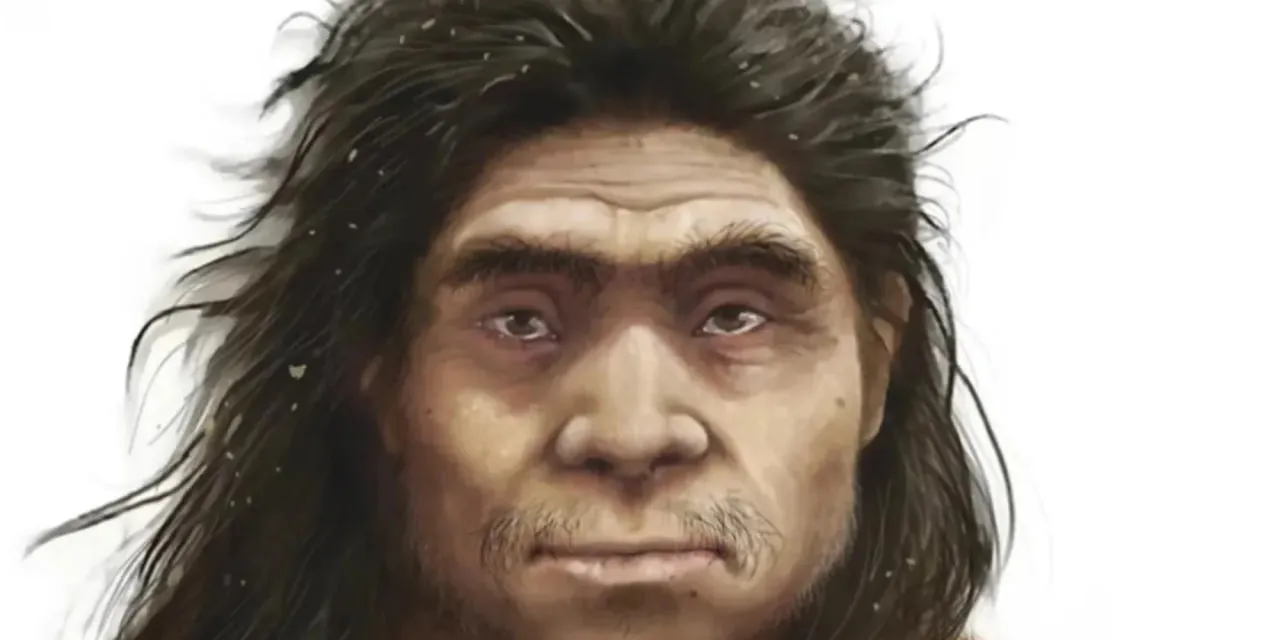
An analysis of the fossilized remains of ancient humans has helped scientists reconstruct the appearance of the Denisovans and determine the regions where they lived.
Denisovans are an extinct species whose members lived in Asia approximately 300,000 to 45,000 years ago. They have remained a mystery to scientists since their discovery in 2010, as there is still very little information about these ancient relatives of modern humans. In a new study, scientists reanalyzed previously discovered fossil remains that were initially thought to belong to an unknown human species. It turned out that they belonged to the Denisovans. This allowed researchers to reconstruct their appearance and determine exactly where they lived. The study’s findings were published in the journal *Nature*.
In the late 1970s, scientists discovered fragments of a skull, jaw, and teeth, as well as other bones, in northern China that belonged to an unknown extinct human species. Analysis showed that the bones are between 138,000 and 199,000 years old. In 2024, anthropologists speculated that these might be the remains of a new species called Homo juluensis. But it turned out that this was not the case.
Chinese scientists analyzed proteins from the fossilized remains and identified a specific mutation indicating that these bones belong to a Denisovan. The key evidence was a specific variant of the COL1A2-996K collagen gene, which is found in Denisovans but is absent in Neanderthals and modern humans.
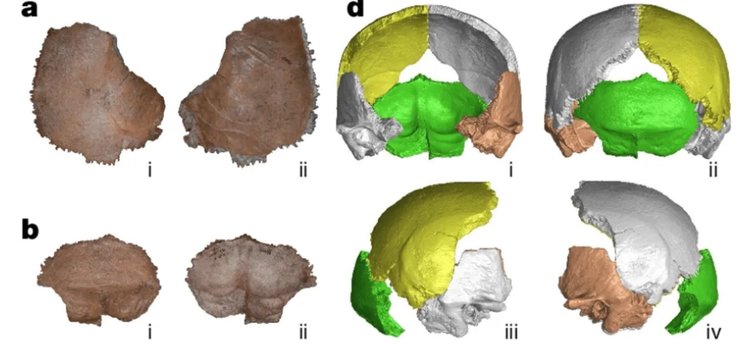
The scientists also used the discovered fragments of the skull and jaw, as well as bones and teeth, to reconstruct the Denisovan’s face. First, they created 3D models of the skull and then compared them with the characteristics of the skulls of Neanderthals, other extinct species, and modern humans.
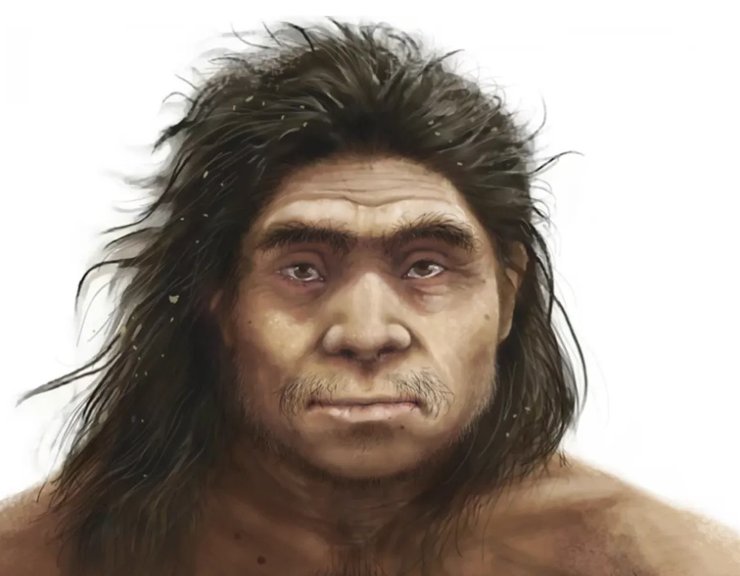
This allowed them to reconstruct a detailed image of the Denisovan’s face. The scientists concluded that this extinct species was characterized by a low, flattened skull, massive brow ridges, and a jaw that did not protrude very far forward. Members of this extinct species also had a low forehead, flat cheeks, and a flat bridge of the nose.
According to the scientists, the physical characteristics of Denisovans are a combination of features found in both Neanderthals and later human species.
Another important achievement of the scientists was that they were able to determine the range of the Denisovans. According to the study, this extinct species lived, as expected, far beyond Siberia and Tibet—where many fossils of this species have been found—namely throughout East Asia.
IFLScience reports on this.
Scientists have found a way to transmit quantum information between distant qubits.
Chinese scientists have created a 100-channel photon detector — South China Morning Post.
The calorie content of coffee has increased by 40% due to plant-based cream, according to scientists




