
Photo: Veruschka, Germany's first supermodel, whose father tried to assassinate Hitler, has died
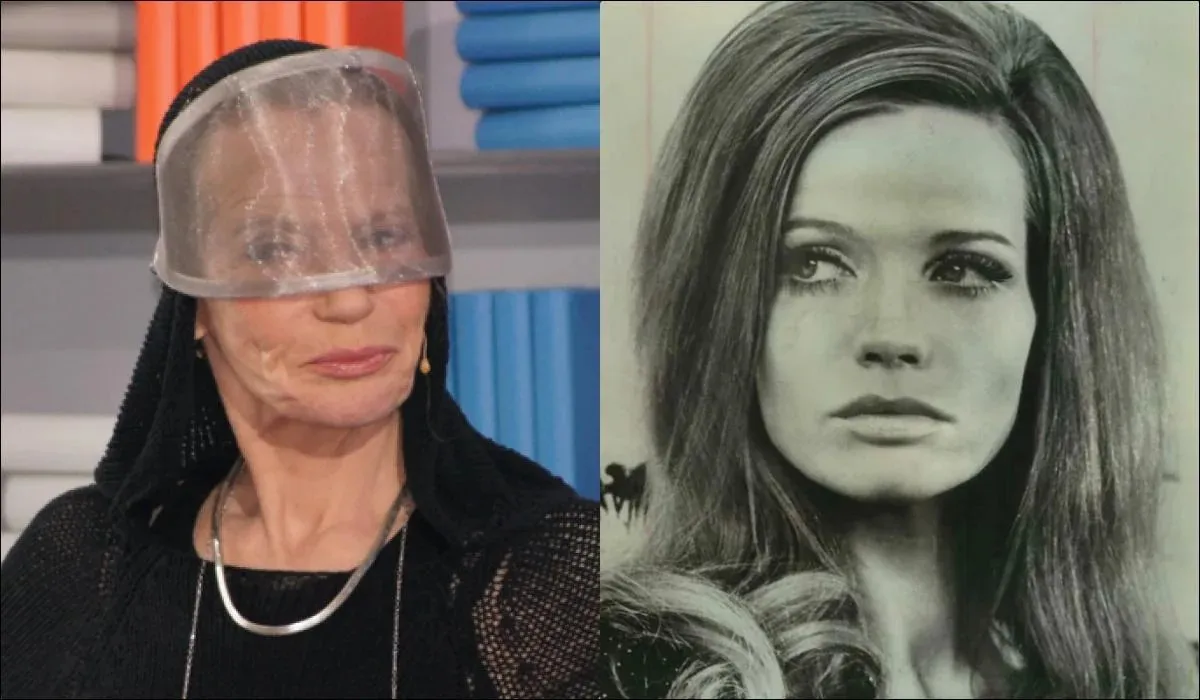
The famous German model and actress Veruschka, whose real name was Vera von Lendorf, died on November 24, 2026, in Berlin. She was 87 years old. She became one of the most prominent figures in 1960s fashion, and her father, Heinrich von Lendorff, was executed by the Nazis for participating in a plot to assassinate Adolf Hitler.
The German newspaper Bild reported the model’s death on November 25, citing a relative. The information was later confirmed by the Deutsche Presse-Agentur (DPA), which received it from the family’s inner circle. According to German media reports, Veruschka died on Tuesday, November 24, at her home in Berlin. She spent her final moments surrounded by friends and loved ones. The cause of death has not been disclosed.
People who knew the model personally reacted to the news. In particular, German actor Clemens Schick, who had been friends with Veruschka for many years, told Bild that knowing her had been a great gift. He recalled her extraordinary personality, her enigmatic nature, and her inner radiance, and in his farewell, he addressed her by her real name—Vera.
Verushka’s Childhood and Her Father’s Execution for Conspiracy Against Hitler
Vera Gottlieb Anna, Countess von Landorf-Steinort, was born on May 14, 1939, in Königsberg, East Prussia. Today, this is Kaliningrad, Russia. She came from an ancient aristocratic family and spent her early childhood at the family estate in Steynort. Her father, Count Heinrich von Lendorf-Steynort, was a member of the German resistance movement against the Nazi regime. He joined a conspiracy of military and political figures who attempted to assassinate Adolf Hitler on July 20, 1944. The assassination attempt failed, after which the Nazis began mass arrests of those involved.
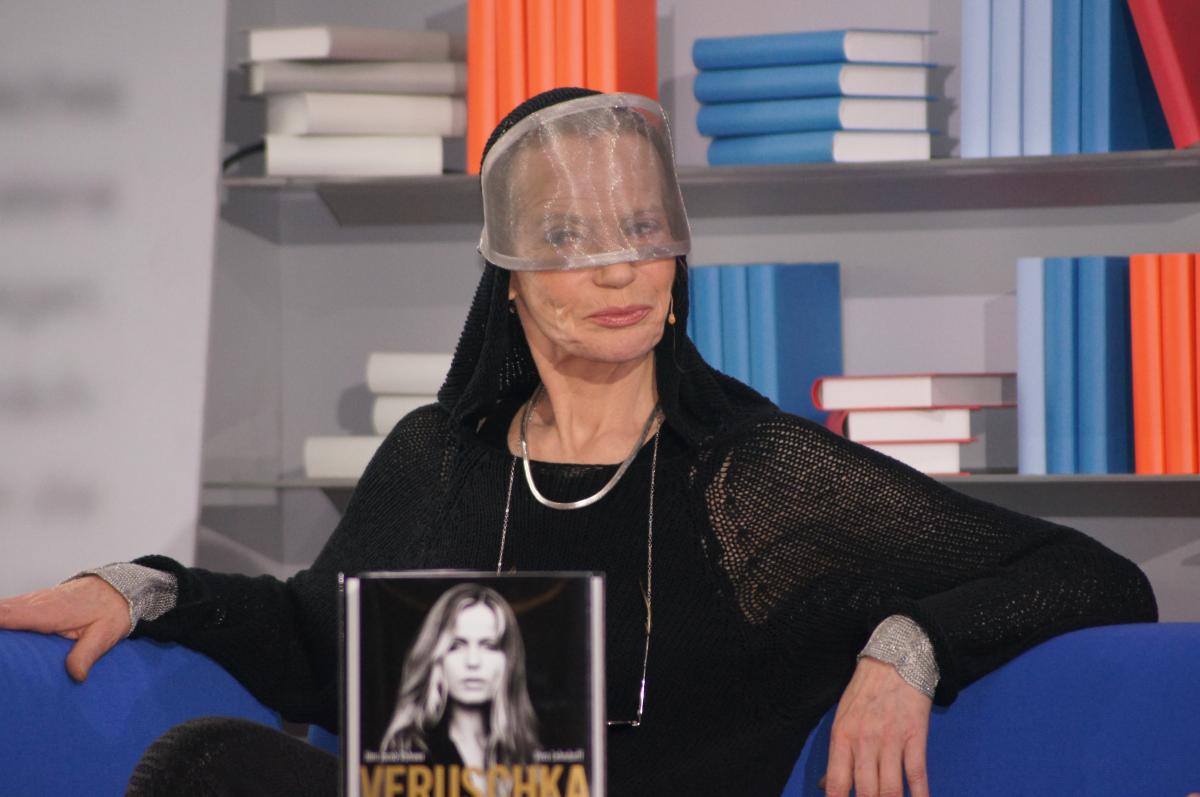
Heinrich von Lendorff was arrested and executed on September 4, 1944, at the Plötzensee prison in Berlin. At the time, his daughter was only five years old. The repression affected the entire family. Verushka’s pregnant mother was sent to a labor camp, and the girl herself, along with her sisters, was taken to an SS children’s home. This was how the Nazi regime punished the relatives of those it considered involved in the resistance.
After the end of World War II, the family lost their estate and their former status. The girls and their mother were forced to move from place to place and lived in refugee camps for a time. Verushka’s childhood was marked by war, persecution, and the loss of her home.
How Vera Became Verushka and Conquered the Fashion World
At first, Vera von Lendorf had no intention of becoming a model. She was interested in art, studied painting, and wanted to devote her life to creativity. In the late 1950s, she found herself in Florence, where she was spotted by photographer Ugo Mulas. That’s how her journey in the modeling industry began. Her first attempts to build a career proved challenging. Her tall stature—about 183 centimeters—and unusual appearance did not fit the industry’s conventional ideas of what a model should look like. However, over time, these very traits became her greatest assets.
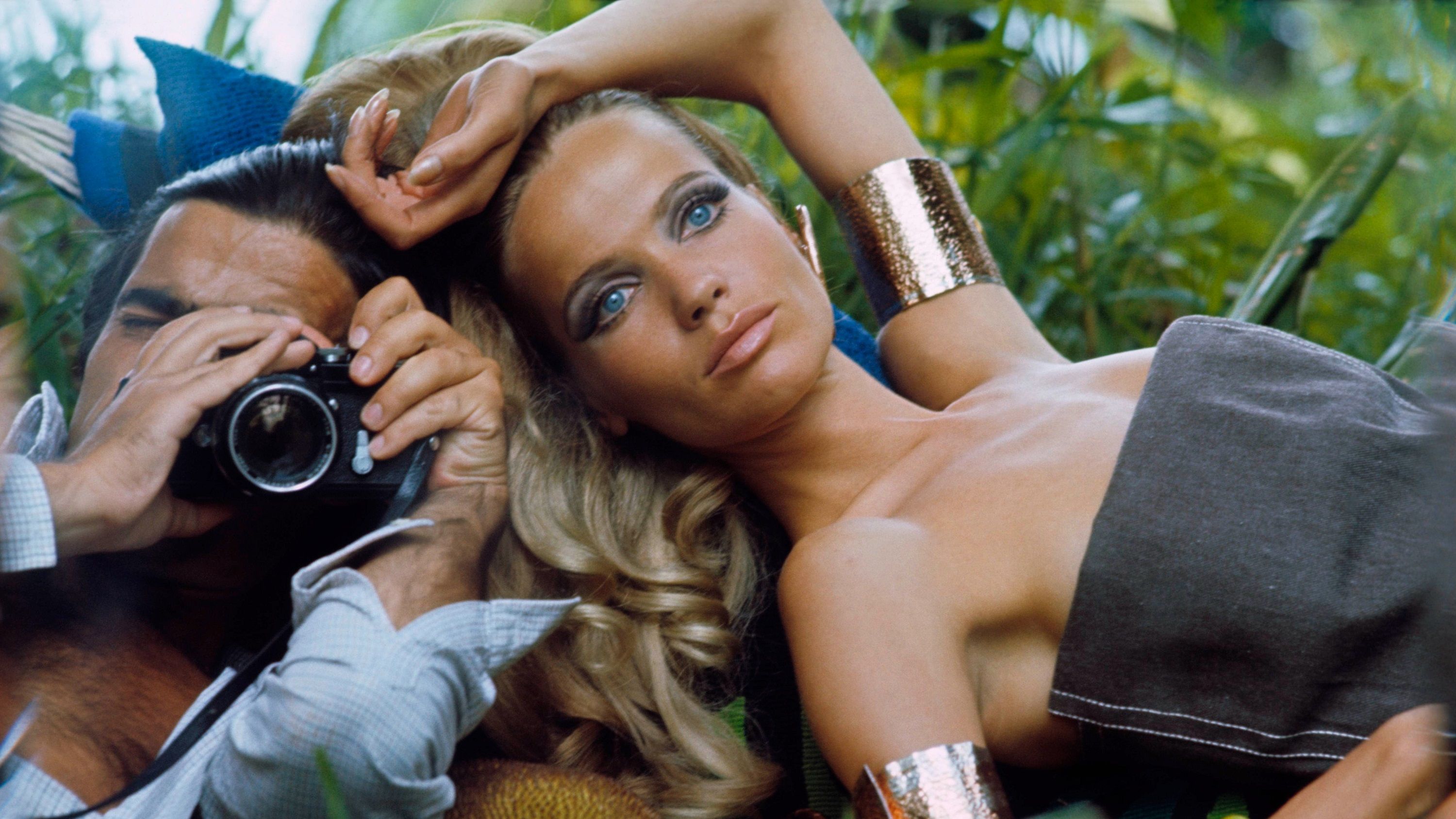
Vera created a unique stage persona for herself and adopted the name Verushka. It sounded mysterious and had a Russian ring to it. The model consciously worked on the way she moved, spoke, and carried herself in front of the camera. She didn’t want to be just someone who showed off clothes; she strove to turn every photo shoot into a work of art.

In the 1960s, Verushka became an international celebrity. She worked with photographers Richard Avedon, Irving Penn, Franco Rubartelli, and Helmut Newton. Her photos appeared in the pages of *Vogue* and other leading fashion magazines. According to *Vogue*, she graced 13 covers of the American edition of the magazine and became one of the highest-paid models of her generation.
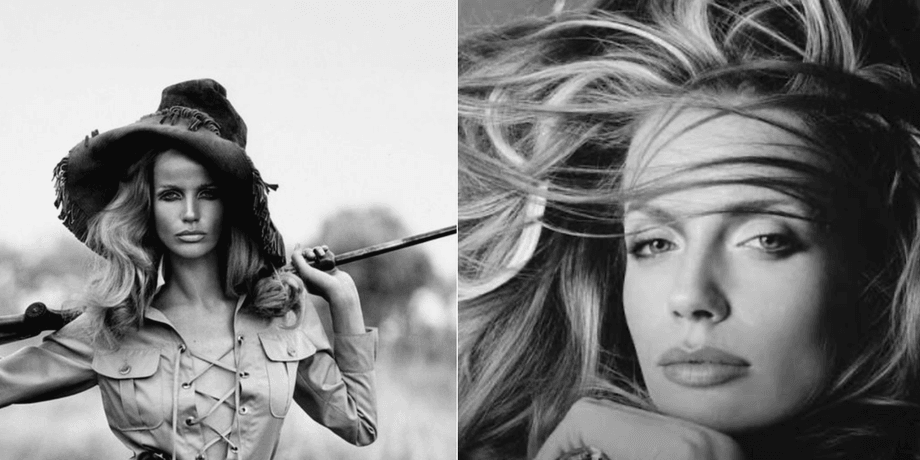
Her look was characterized by long legs, striking facial features, and the ability to completely transform herself in front of the camera. In some photographs, Veruschka appeared cold and aloof; in others, she was playful, bold, or almost unrecognizable. It was precisely this ability to transform herself that made her particularly intriguing to photographers.
Body Art, Fine Art, and an Iconic Film Role
Verushka did not limit herself to traditional modeling work. She experimented with artistic makeup, body art, and photography. Her body became part of an artistic vision: using paint, light, shadows, and optical effects, the model could transform into an animal, a plant, a sculpture, or an abstract image.

Such projects helped her go beyond the boundaries of conventional fashion photography. Verushka saw herself first and foremost as an artist, and the modeling business as an opportunity to experiment and tell stories through her appearance and movements.
Her name became known to an even wider audience thanks to film. In 1966, she appeared in the film *Blow-Up* by Italian director Michelangelo Antonioni. In the film, the model played herself—a mannequin posing for a photographer’s camera. Her scene became one of the most famous in the film and cemented Verushka’s status as an icon of the 1960s.
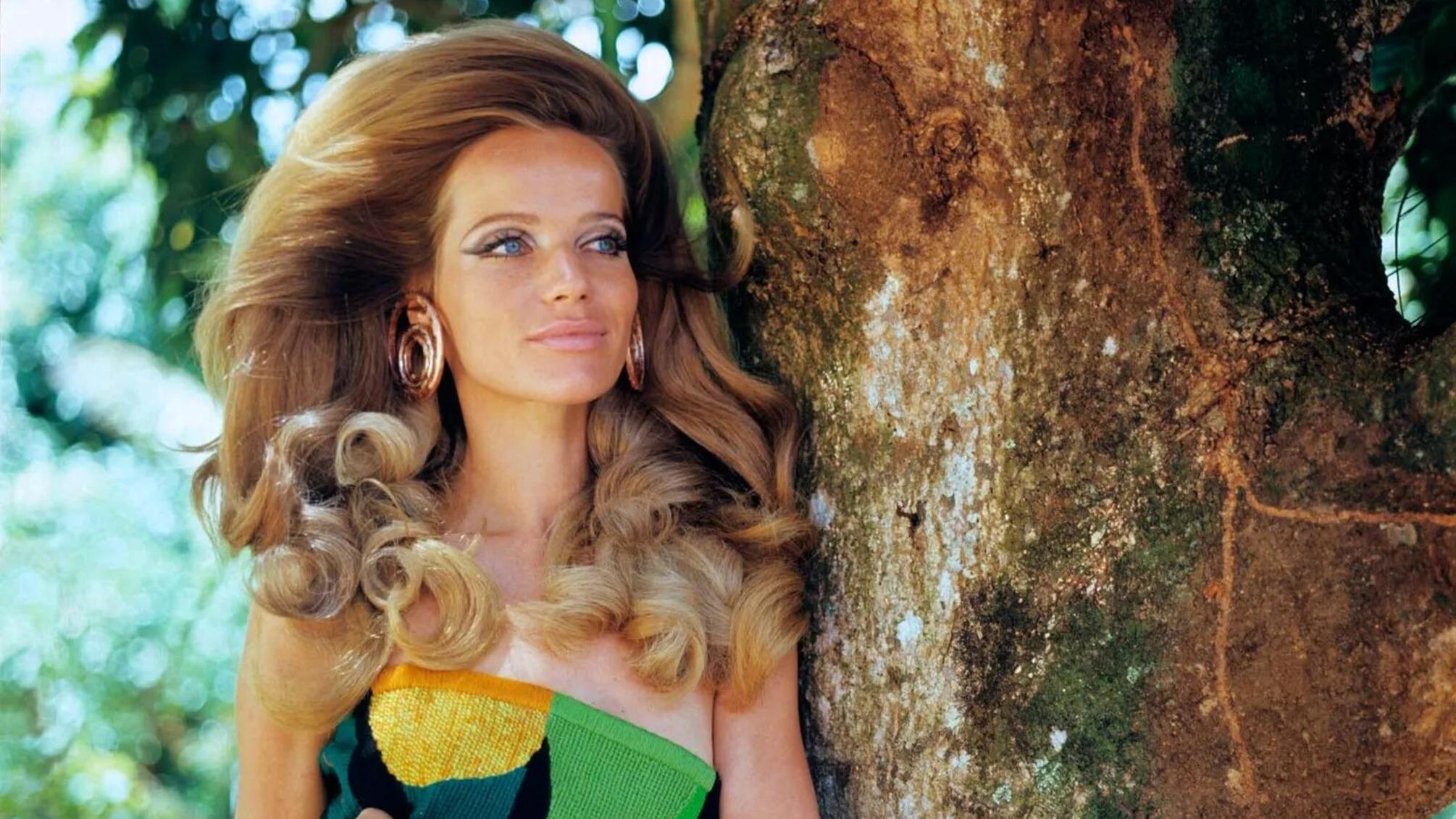
In the mid-1970s, she moved away from the traditional modeling business and focused more on her own artistic projects. Together with photographer Holger Trülch, she worked on body art experiments that later became part of the project and book *Trans-figurations*. In 2006, Veruschka returned to the big screen—this time in the film *Casino Royale*, the 21st installment of the Bond series starring Daniel Craig as James Bond. She played Countess von Wallenstein, who takes part in a poker game.
In the years that followed, the model also returned to fashion projects. In 2017, she became the face of a campaign for the Swedish brand Acne Studios. From time to time, Verushka walked the runway, using these appearances to draw attention to animal welfare and speak out against the use of real fur in fashion.
How Veruschka Made Her Mark on Fashion History
Vogue called Vera von Lendorf the first German supermodel. She became one of the women who changed perceptions of what it means to be a model. For her, it was important not just to meet the photographer’s or designer’s requirements, but to actively participate in creating the look herself. Her work combined fashion, photography, and performance. Veruschka could transform her appearance using makeup and paint, experiment with unconventional poses, and turn her own body into part of an artistic composition. That is why her photographs are still considered iconic for the fashion culture of the 1960s and 1970s.
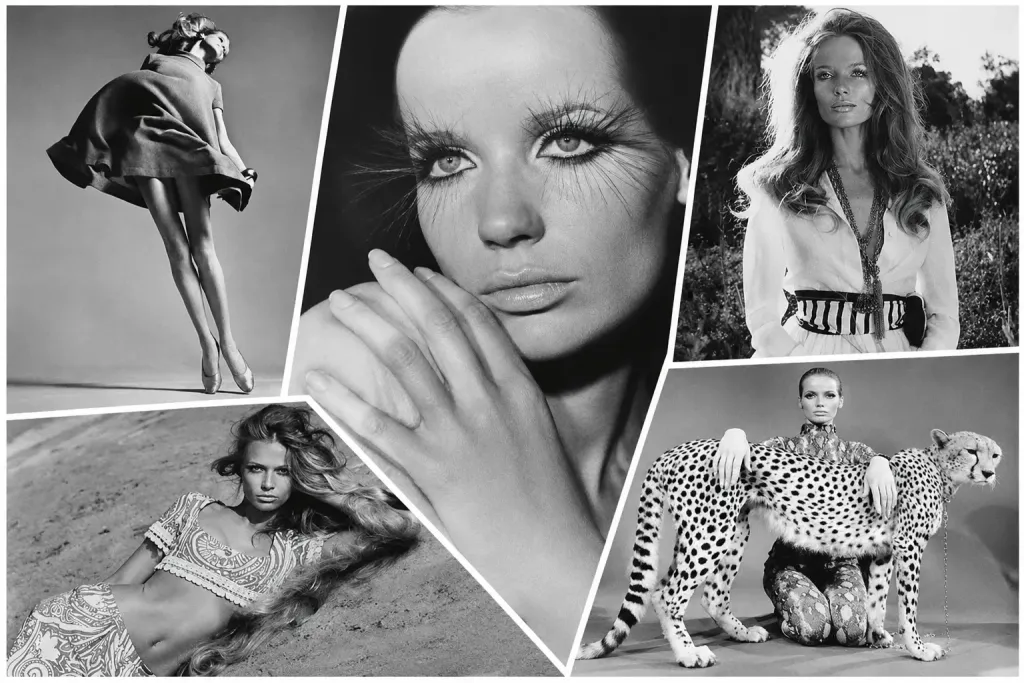
In the last years of her life, she lived in Berlin, socialized with artists, and maintained ties with the art community. Her story brought together two completely different sides of the 20th century: a childhood shattered by Nazi repression and a career that made her one of the world’s most famous models. Veruschka left behind more than just hundreds of photo shoots and film roles. She transformed the very concept of a model—she demonstrated that a person in front of the camera could be more than just the face of an advertising campaign; she could be a full-fledged participant in the artistic process. This was reported by the German newspaper Bild.

In Bavaria, a fire destroyed the Kelstein House, known as the Eagle’s Nest—a mountain guesthouse from the era of the Nazi dictatorship on Mount Kelstein near Berchtesgaden. The fire broke out on October 23. Despite the round-the-clock efforts of 200 firefighters, the building—which served as both a tourist attraction and a memorial site—was reduced to charred ruins. It has been closed indefinitely.




