
Scammers are targeting Telegram accounts under the guise of a children's contest
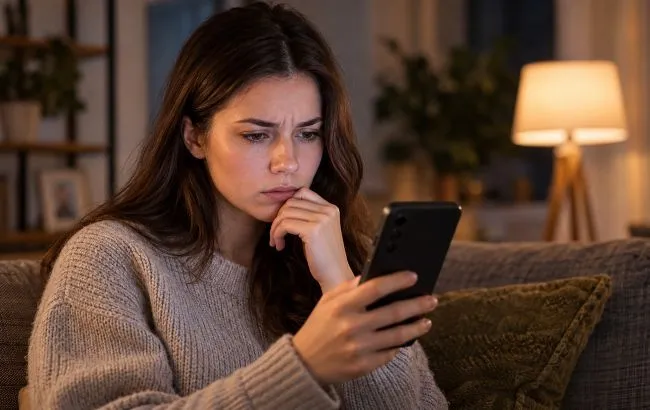
Messages are circulating on Telegram asking people to vote for a child in a contest. Such messages may be part of a scam: clicking the link could result in losing access to your account. The Center for Countering Disinformation at the National Security and Defense Council of Ukraine explained how this scheme works and what to do to protect your profile.
“Vote for my daughter, number 5, in the contest!”—a message with this request may arrive on Telegram from someone you know or a contact you haven’t spoken to in a long time. At first glance, there’s nothing suspicious about it. Someone is asking you to support their child in a contest and suggests clicking a link to vote. But this request may actually be a scam.
Scammers count on your trust and willingness to help. You see a familiar name, don’t suspect anything, and click the link. Next, they may be asked to perform certain actions to supposedly confirm their vote. As a result, the user risks losing access to their Telegram account. If the scammers gain control of the account, they can use it for further attacks. For example, they might message friends and family on behalf of the account owner, ask them for money, or send them similar suspicious links. The scammers may also try to gain access to personal data and private messages.
It’s important to remember: even if a message comes from someone you know, that doesn’t mean the link is safe. Their account may have been hacked earlier and is now being used to send fraudulent messages. The Center for Countering Disinformation emphasizes that no messaging app guarantees absolute protection against fraud and hacking. At the same time, proper security settings help reduce the risk and protect your personal data.
How to Protect Your Telegram Account
There are a few simple steps you can take to strengthen your account’s security. You don’t need any special knowledge—just check your settings and don’t rush to comply with suspicious requests.
1. Enable two-step verification
This is one of the best ways to add an extra layer of security to your account. Even if someone gets your login code, they’ll still need an additional password to access your profile. To enable this feature, open Telegram’s settings and go to the “Privacy and Security” section. Find the “Two-Step Verification” option and set a password. If possible, add an email address for recovery in case you forget your password.
2. Limit access to your personal information
Check who can see your phone number, profile photo, and last seen status. You can change these settings in the “Privacy and Security” section. You don’t have to make this information visible to all users. If certain details are accessible only to your contacts or a limited group of people, it will be harder for outsiders to gather information about you.
3. Control who can add you to groups and channels
Unwanted invitations can be used not only for advertising but also to spread suspicious links. Therefore, it’s a good idea to check who is allowed to add you to groups and channels. In your privacy settings, you can limit this group and, if necessary, set exceptions for specific users. This will help you reduce the number of unwanted invitations and messages.
4. Check which devices have your account logged in
Telegram lets you use a single account on multiple devices. But sometimes, old sessions that you no longer use may remain on the list. That’s why it’s important to check from time to time where your profile is currently active. To do this, go to Settings and open the “Devices” section. Review the list of active sessions. If you notice an unknown device or a connection you no longer use, end that session.
5. Set an app lock code
You also need additional protection on your phone itself. If someone gains access to it, locking Telegram will help keep your messages safe from prying eyes. In the “Privacy and Security” settings, find the lock code feature. Set a passcode and enable automatic app lock. Menu item names may vary depending on your device and Telegram version.
What to Do If You Receive a Suspicious Link
First of all, don’t rush to open it. If the message came from someone you know, it’s best to verify with them through another channel whether they’re actually asking you to vote. For example, you can message them directly or give them a call. Do not enter passwords or verification codes on third-party websites, even if the page looks convincing. Do not share these codes with others. They could allow someone to access your account.
If you’ve already clicked the link, check your active Telegram sessions and end any unknown connections. You should also make sure that two-step verification is enabled. If you’ve lost access to your account, use Telegram’s official recovery tools and check the security of the email address linked to your account. The Center for Digital Security advises regularly reviewing your privacy settings and the list of devices connected to your profile. And you should treat messages asking you to vote in a contest with caution—even if they come from people you know.
The main rule is simple: don’t click on suspicious links just because you’ve been asked to do something. Taking a few minutes to verify a message can help you retain access to your account and protect your friends from fraud.
Scammers send text messages posing as representatives of “Ukrposhta” and ask you to pay a 30 UAH customs fee for a package. Clicking on the link provided in the message puts you at risk of having your personal information and credit card details stolen.
In the Lviv region, law enforcement officials uncovered a fraudulent call center whose employees, according to the investigation, defrauded citizens of Ukraine and other countries through dating platforms and messaging apps. To carry out the scheme, they used fake female accounts. This is the first time in Ukraine that charges have been filed for organizing a fraudulent call center.
The International Monetary Fund and the World Bank are proposing a new approach to financial fraud in cases where people voluntarily transfer money to scammers after believing their promises or threats. According to the authors of the new document, the mere fact of payment confirmation should not automatically shift all losses onto the customer. At the same time, these are currently only recommendations for governments, not new rules that already require banks to refund money to Ukrainians.




