
Water bodies in the Odesa and Khmelnytskyi regions have been restocked with nearly 300,000 fish
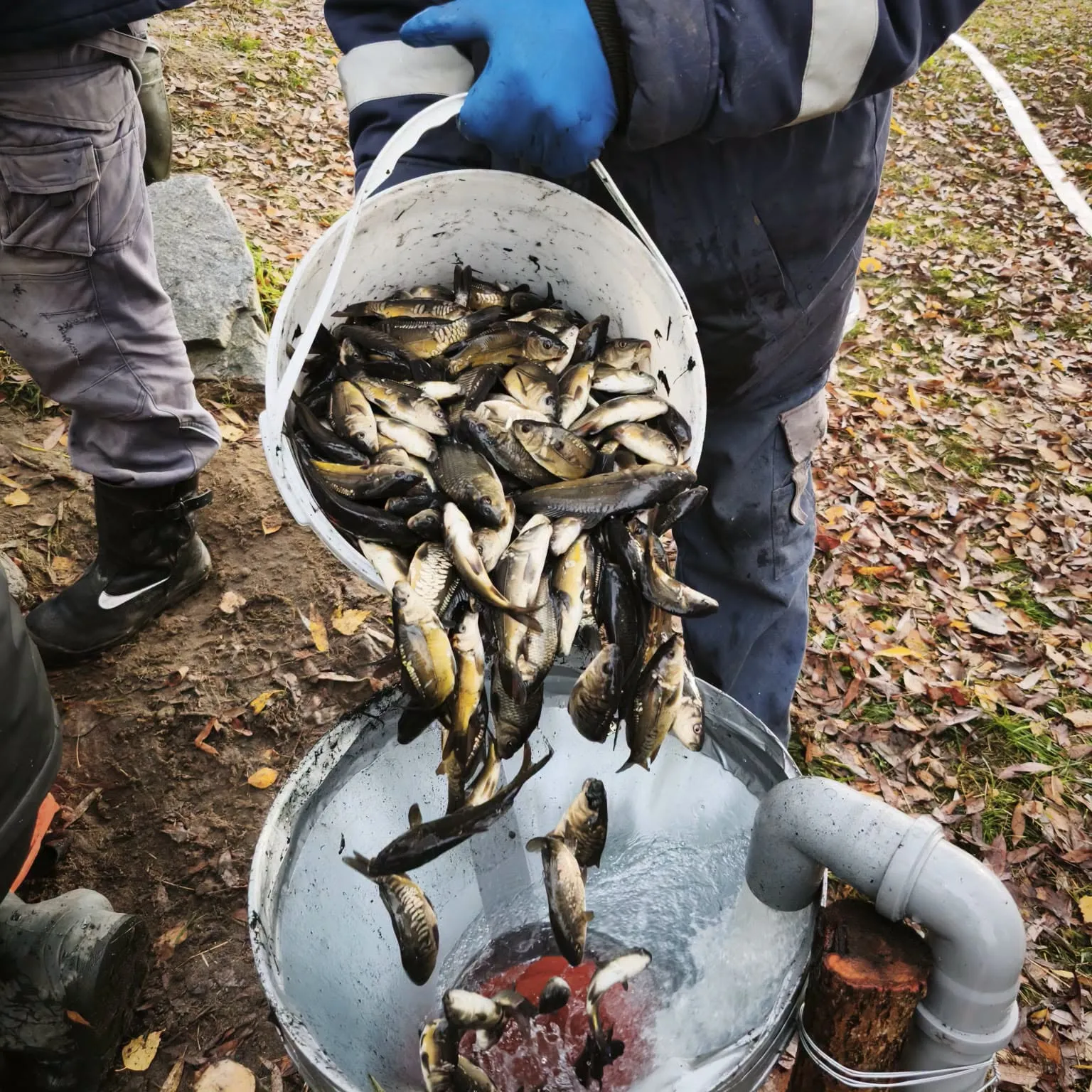
Nearly 300,000 young fish were released into water bodies in the Odesa and Khmelnytskyi regions. The stocking is being carried out to restore fish stocks and maintain the ecological balance.
In the Odesa region, 213,000 silver carp, common carp, and white amur were released into Lake Kagul in the Izmail district. By the end of the year, the lake is scheduled to receive an additional 2 million herbivorous fish and 500,000 carp.
In the Khmelnytskyi region, 73,000 fish—silver carp, white amur, and mollusk-eaters—were released into the cooling pond of the Khmelnytskyi Nuclear Power Plant. In total, they plan to stock the reservoir with 171,000 fish.
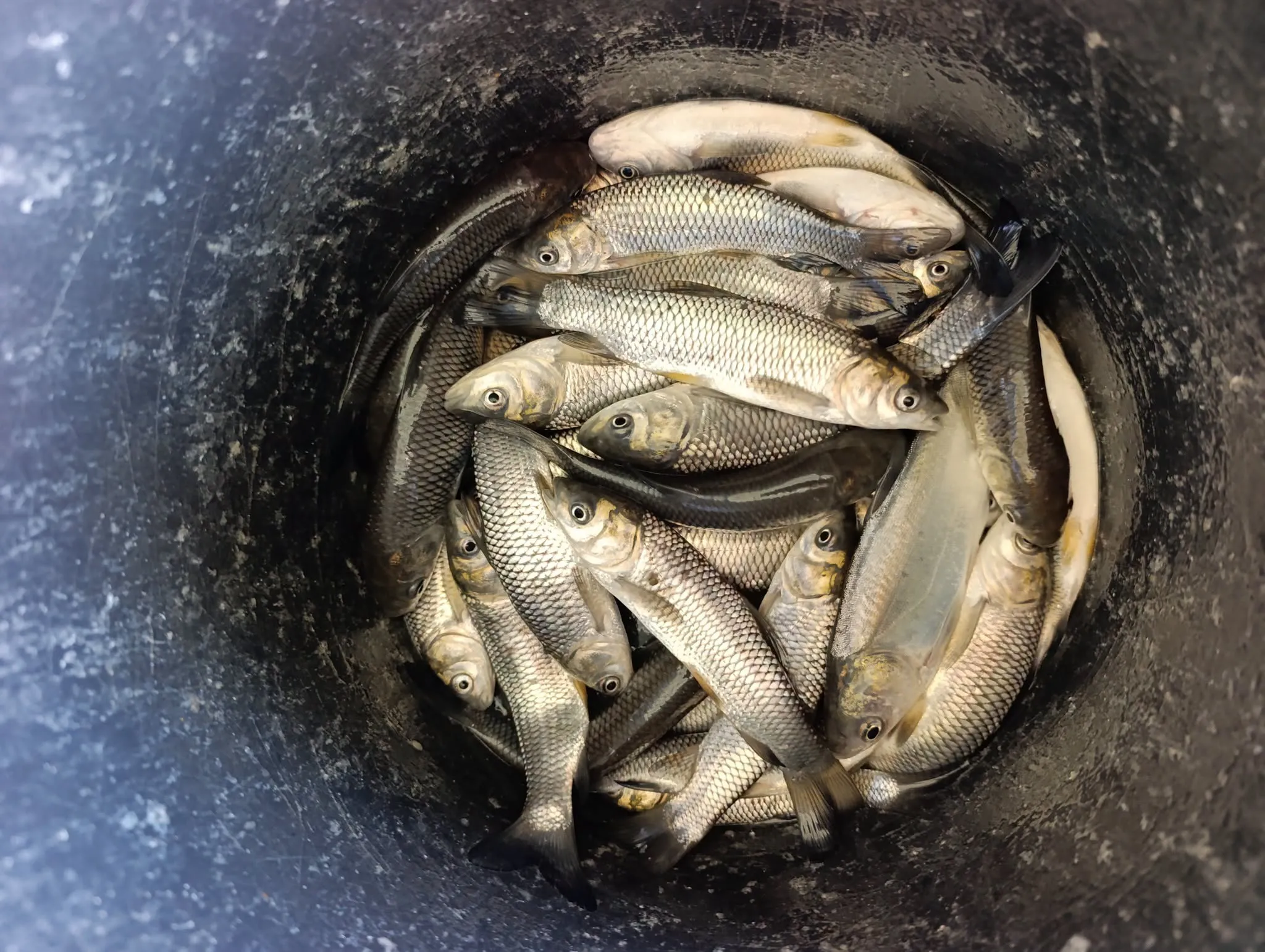
Fish stocking in the reservoir near the Khmelnytskyi NPP is carried out annually to reduce the growth of aquatic vegetation and prevent biological obstructions in the operation of the cooling systems.
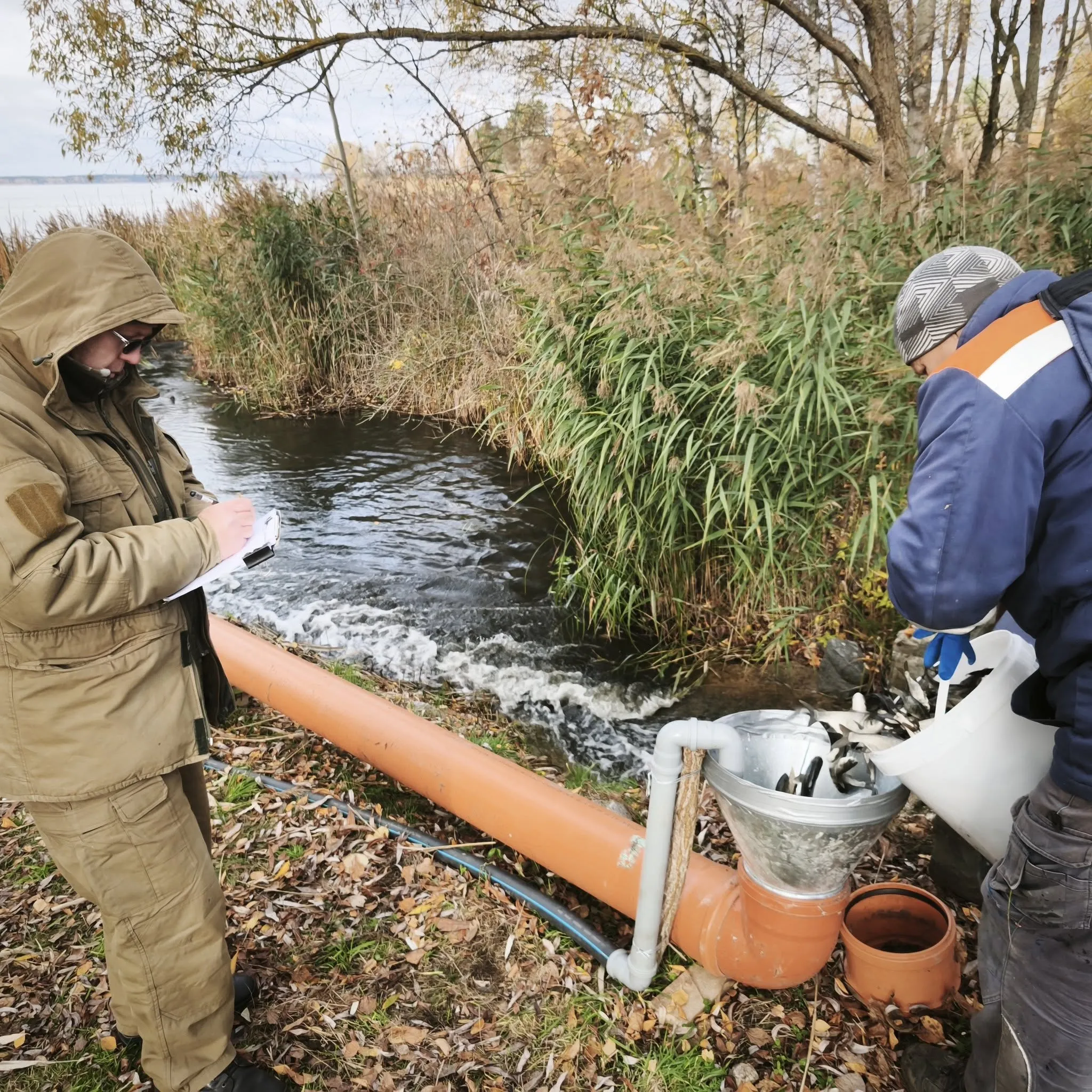
All activities were carried out under the supervision of special commissions with the participation of representatives from fish protection patrols.
Source: State Agency for Land Reclamation and Fisheries of Ukraine.
Damages resulting from the mass fish kill in the Ploska River in Khmelnytskyi following Russian shelling of a household chemicals manufacturing plant exceeded 43.3 million hryvnias. Laboratory tests revealed significantly elevated concentrations of chemicals in the water that are hazardous to aquatic life.
Law enforcement authorities have opened a criminal investigation into the pollution of the Zbruch River and the mass fish kill in the Skala-Podilska community in the Ternopil region.
Specialists from the State Environmental Inspection identified the likely site of the chemical discharge and detected elevated levels of ammonium, nitrates, nitrites, and biochemical oxygen demand in the water.
In the Borshchahivska community of Kyiv Oblast, mass fish deaths were recorded in three bodies of water at once. Due to the environmental situation, public access to these bodies of water has been temporarily restricted.




