
Russian grain exports through ports have fallen by a factor of four
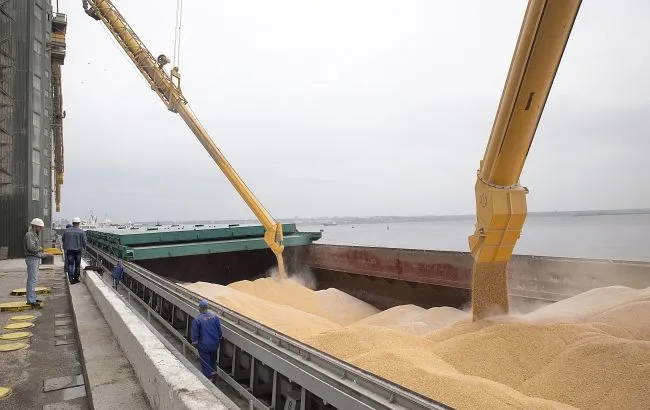
During the first 20 days of October, Russian grain exports through ports fell by a factor of four compared to the same period last year—to 1.135 million metric tons, down from 4.515 million metric tons. Specifically, wheat exports fell fourfold, barley exports fell 5.7-fold, and corn exports fell 2.2-fold.
The sharpest decline was recorded at the port of Novorossiysk, where grain transshipment volumes totaled just 59,600 metric tons, compared to 1.7 million metric tons last year.
Due to problems with Black Sea shipments, Russia increased exports through Baltic Sea ports 11-fold—to 875,000 metric tons—but this did not offset the overall losses in the Black Sea region. The decline in maritime exports also led to a reduction in the number of countries receiving wheat shipments, from 29 last year to 15 this month; in particular, shipments to Egypt fell by a factor of three, and those to Turkey by a factor of 6.9.
Latifundist.com reports this, citing Russian media.
The Russian grain industry is seeking alternative ways to transport wheat due to restrictions on the operation of Black Sea ports. One possible route is the small port of Ochamchire in Abkhazia—a Georgian region supported by the Kremlin.
Putin has ordered the purchase of grain from farmers amid export problems through Russian ports.
As a reminder, Russia has rejected all options for a grain deal that could allow for the resumption of agricultural exports via the Black Sea. Ukraine’s Minister of Agrarian Policy, Taras Vysotsky, told Bloomberg about this. According to him, Kyiv received this information from countries that had attempted to establish a dialogue with Moscow.




