
Russia is increasing its national debt to cover record-high war expenses
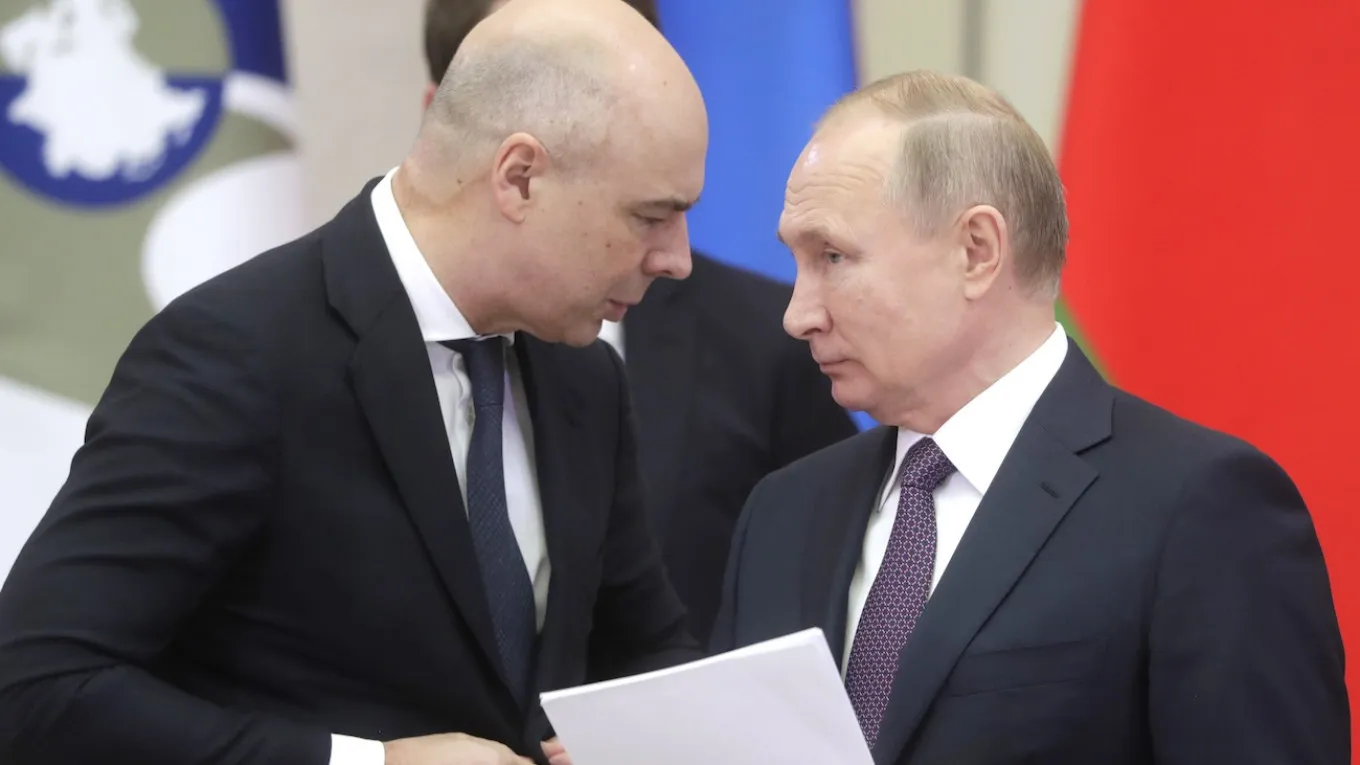
Russian authorities are borrowing money at an increasingly rapid pace to finance the budget, as military spending continues to rise.
According to estimates by the Russian Ministry of Finance, the budget deficit in 2026 could reach 7.3 trillion rubles—twice as much as planned.
In 2027, defense spending is planned to increase to a record 17.1 trillion rubles, which will account for 6.9% of GDP and 35% of total budget expenditures. Together with funding for the military, police, and security services, 44% of the budget will be allocated to these needs.
As a result, funding for the civilian economy, infrastructure, education, and healthcare will be cut. According to economists’ estimates, taking inflation into account, spending on unprotected budget items could decrease by approximately 12%.
At the same time, the cost of government borrowing is rising. In 2027, the Russian Ministry of Finance plans to raise 7.7 trillion rubles on the domestic market. Yields on government bonds already stand at 16–17%, whereas five years ago, borrowing cost the budget approximately 7–8% per year.
Economists warn that continued funding of the war could lead to further cuts in government spending and tax increases for individuals and businesses.
Source: Reuters
Russian authorities are increasingly relying on funds from state-owned banks to finance the budget deficit, which could reach $91.3 billion in 2026.
On October 29, the Russian State Duma passed the first reading of the draft federal budget for 2027–2029. The document provides for increased spending on the military and security forces, reduced funding for a number of civilian sectors, and tax increases.
In the temporarily occupied territories of Zaporizhzhia Oblast, representatives of the occupying administration have launched a campaign to forcibly collect funds and property for the needs of Russian military units.




