
Ukrainian prisoners of war from Makiivka are being transferred to prisons in Russia
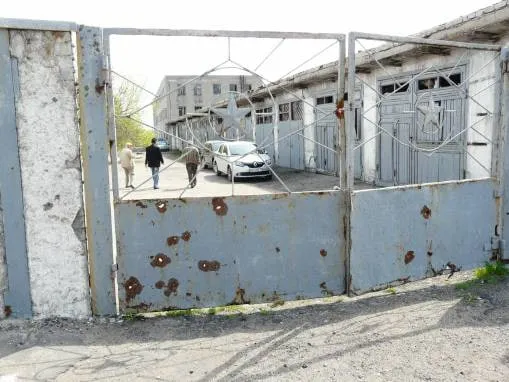
Russian occupiers continue to transport Ukrainian prisoners of war and civilian political prisoners out of Penal Colony No. 32 in the temporarily occupied city of Makiivka, Donetsk Oblast. According to media reports, some of the prisoners have already been transferred to correctional facilities in Russia’s Tambov Oblast, while others have been transported to more remote regions of the country, including Siberia.
According to the publication, some Ukrainian political prisoners and individuals convicted of criminal offenses were transported to Maximum-Security Penitentiary No. 1 in Tambov. There, they are being held alongside Russian convicts.
Another group was transported to Maximum-Security Colony No. 5 in Morshansk, Tambov Oblast.
Several Ukrainian political prisoners remain at the Makiyivka penal colony and are awaiting transfer to Russia. It is currently unknown exactly where they will be sent.
At the same time, approximately 100–120 inmates held at the colony-settlement attached to Institution No. 32 will remain in Makiivka for the winter.
A Ukrainian prisoner of war was transported nearly as far as Mongolia
Transfers from the Makiivka penal colony began back in August 2026. The first to be taken to Russia were five Ukrainian servicemen and one civilian political prisoner.
In particular, the whereabouts of Ukrainian prisoner of war Vitaliy Chmyl, who was transferred in mid-August, have been revealed.
He was initially held in a pretrial detention center in Krasnoyarsk and was later transferred to Maximum Security Colony No. 1 in the city of Kyzyl, Tuva Republic, near the Russian-Mongolian border.
The prisoner of war was able to inform his relatives of his whereabouts thanks to the help of Russian volunteers.
Some of the captives have been held for up to nine years
According to journalists, Makiyivka Colony No. 32 held about 35 Ukrainian political prisoners and military personnel. Among them were five soldiers included on the prisoner exchange lists.
Most of the prisoners have already spent 7–9 years in Russian captivity. The occupying authorities sentenced them to 10–17 years in prison on charges of “espionage,” “terrorism,” and “extremism.”
The prison administration cited the inability to ensure adequate conditions of detention during the winter as one of the reasons for the transfer. Specifically, they cited a lack of funds for coal for heating and interruptions in water and electricity supply.
The transfer is also linked to changes in Russian legislation regarding places of imprisonment for crimes related to terrorism and extremism.
The vacated premises of the Makiivka prison are already being renovated, and video surveillance cameras are being installed.
This was reported by “Donbas News.”
Russia is resettling its citizens in the occupied territories and displacing Ukrainians, according to the Main Intelligence Directorate (GUR).
Banditry and violence are on the rise in Ukraine’s occupied territories, according to the Main Intelligence Directorate (GUR).
Earlier, voting began in the temporarily occupied territories of Ukraine for the so-called elections to the Russian State Duma, which Ukraine does not recognize. At the same time, Russian propaganda is spreading stories about alleged high voter turnout at polling stations and attempting to create the impression of “mass support” for the Russian Federation.
As a reminder, the FSB has begun to more frequently publish staged videos of the arrests of political prisoners.




