
Military aid to Russia from North Korea has been halted — Main Intelligence Directorate
According to Ukrainian intelligence, a serious conflict has arisen in relations between Moscow and Pyongyang, leading to the cessation of North Korea’s military support for Russia. The Main Intelligence Directorate (GUR) revealed the reasons behind the escalation between the allies.
On September 7, 2026, Russia and North Korea officially opened a road bridge across the Tuman River (Tumangan), which runs along the border between the two countries.
The new facility was intended to strengthen transportation links between the two countries and increase the volume of bilateral traffic.
As is well known, Moscow is interested in continuing to acquire North Korean weapons and their components. Pyongyang, meanwhile, is counting on Russian assistance in the form of equipment, raw materials, technology, and financing, and is also seeking to learn from Russia’s experience in modern warfare.
Despite this, misunderstandings arose last month in relations between Russia and North Korea. The cause was a statement by Russian Deputy Foreign Minister Andrei Rudenko that Moscow would, in the long term, help reduce tensions in relations between Seoul and Pyongyang. North Korea reacted extremely negatively to these remarks.
In late October, North Korean Foreign Minister Choe Son-hui stated that such a position is inconsistent with the nature of the allied relations between the two countries. She also demanded that the Russian side provide explanations regarding its policy toward South Korea.
In addition, Choe Son-hui announced the temporary suspension of military support from Russia. According to available information, this decision was made personally by North Korean dictator Kim Jong-un.
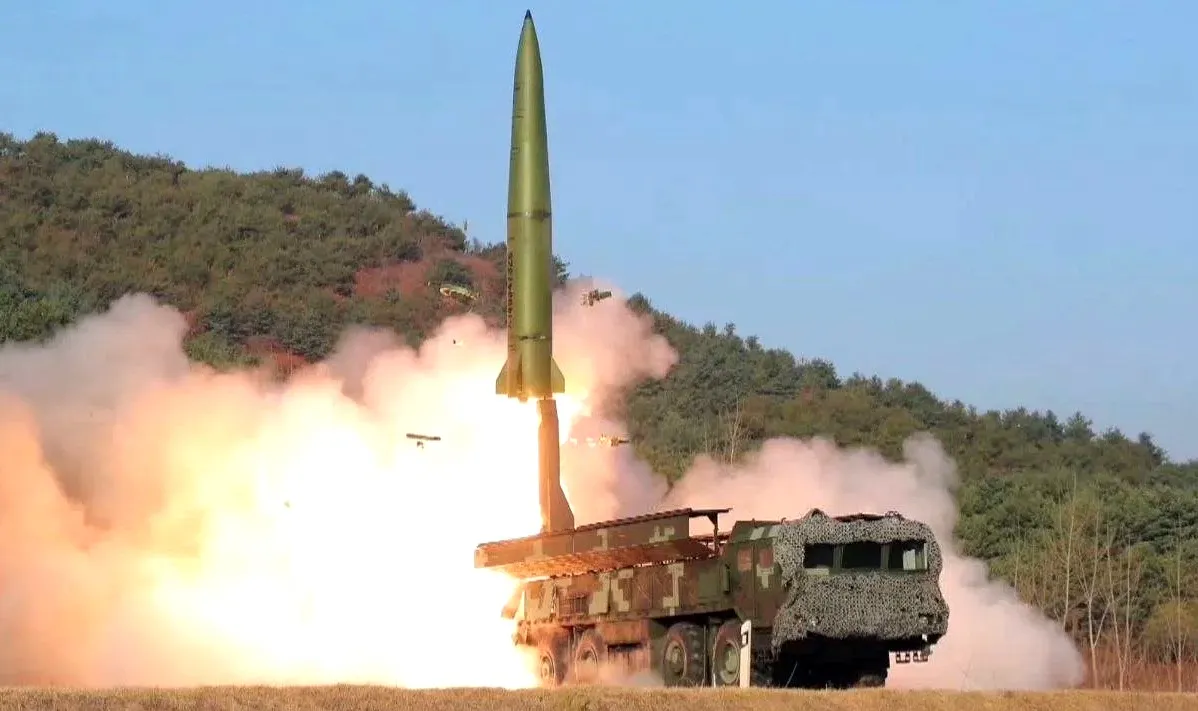
According to the Main Intelligence Directorate, the restrictions concern the use of North Korean airspace by Russian military transport aircraft, as well as the supply of KN-23 ballistic missiles and a new batch of artillery ammunition.
Furthermore, Pyongyang is in no hurry to comply with Moscow’s request to increase the size of the North Korean military contingent in Russia. The plan is to expand the contingent from 8,500 to 50,000 troops.
At the same time, units of the DPRK Army’s 11th Special Operations Corps, which are already in Russia, continue to serve in the Kursk region. They are stationed in the second echelon of the “Kursk” military group.
In addition, a combined missile unit of the North Korean army has been operating in the Voronezh region since mid-summer. The Russian side is using it to launch strikes against Ukraine. This unit is part of the 112th Missile Brigade of the 1st Tank Army of the Moscow Military District.
Thus, further deepening of military cooperation between Moscow and Pyongyang is currently effectively on hold.
Among the main challenges to cooperation remain the low level of operational interoperability between Russian and North Korean troops, the language barrier, a shortage of translators, and insufficient logistical support from the DPRK.
An additional obstacle is the attitude of the Russian military command toward North Korean servicemen. According to available information, senior Russian military officials display open contempt for North Korean soldiers, viewing them as an imposed political burden.
Another factor hindering military cooperation between the two countries has been the significant losses suffered by the North Korean contingent in battles with the Ukrainian Defense Forces in the Kursk region.
According to estimates by the Main Intelligence Directorate, the total losses among North Korean troops amount to 7,058 personnel. Of these, 2,251 servicemen were killed, while the rest were wounded.
Earlier, the DPRK expelled a Swiss diplomat due to sanctions against the regime.
The DPRK has repeatedly refused to accept letters from Trump to Kim Jong-un.
Russia receives dozens of ballistic missiles from North Korea every month, according to Zelenskyy.




