
The Ukrainian Armed Forces have liberated more territory than Russia has seized since the beginning of fall: Is the balance of power on the front lines shifting?
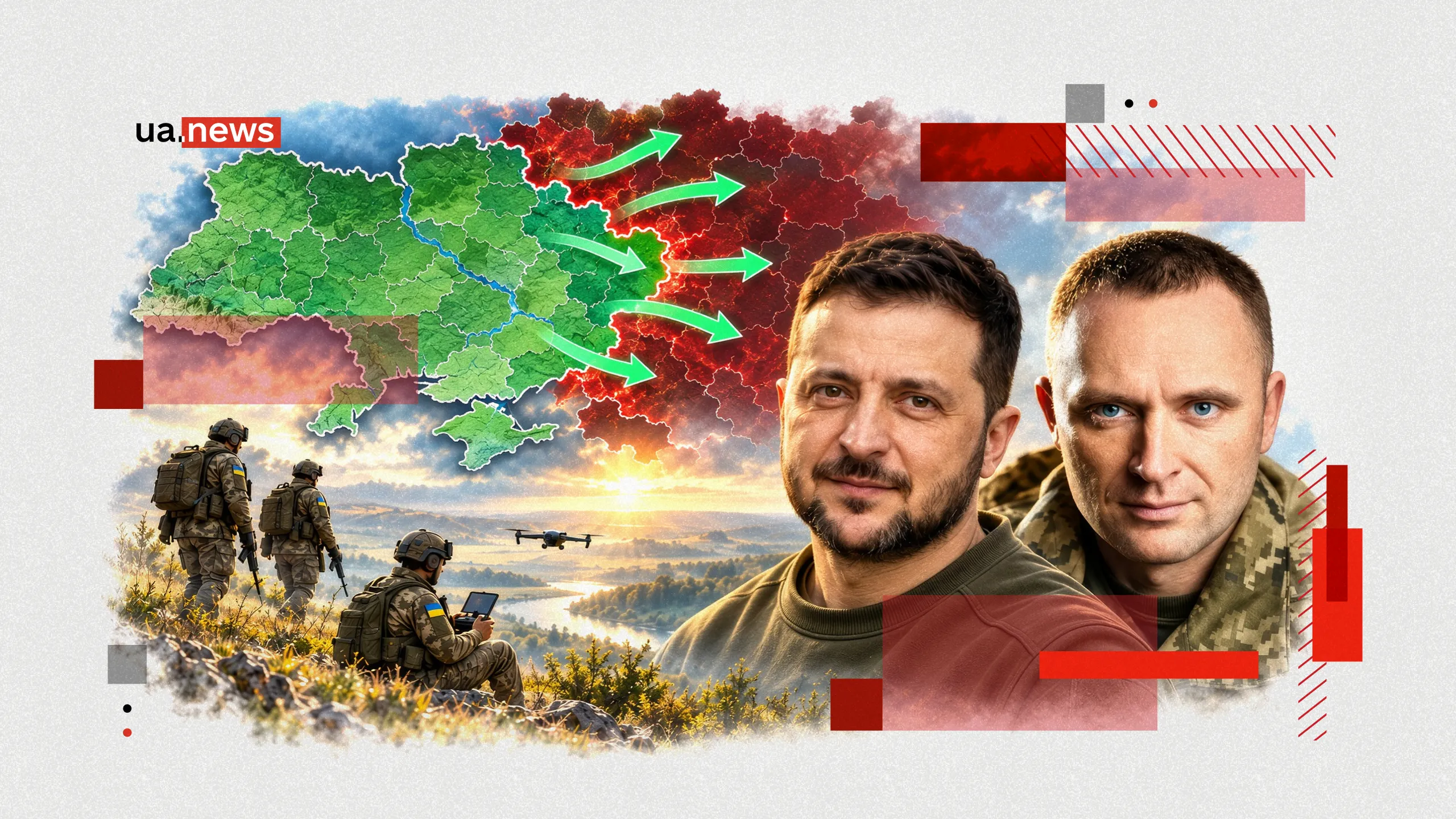
President Volodymyr Zelenskyy stated that since the beginning of fall, the Ukrainian military has liberated more territory than the Russian army has been able to capture. The head of state made this announcement on October 18 following a briefing by Mykhailo Drapaty, Commander-in-Chief of the Armed Forces of Ukraine. Amid Russian assaults in the Donetsk region, Ukrainian units are conducting counterattacks in the Lyman sector, regaining previously lost positions, and thwarting the enemy’s attempts to encircle the Ukrainian defensive line.
One of the most notable results was Operation “Vivaldi” in northern Donetsk Oblast. According to the Third Army Corps, Ukrainian forces liberated 16 settlements and regained control of 277 square kilometers of territory. The U.S. Institute for the Study of War (ISW) assessed these actions as having thwarted the northern part of Russia’s plan to encircle Ukrainian positions in Donetsk Oblast.
At the same time, Russian forces continue to attack along the Pokrovsk, Dobropillia, and Kostiantynivka axes. Therefore, the key question is not only the number of square kilometers liberated, but also whether Ukraine will be able to consolidate the results of its counterattacks and shift the balance of power on the front lines.
UA.News analyzes what is happening on key sections of the front, how the military command structure is changing under the new commander-in-chief, and whether Ukrainian operations are creating the conditions for a shift in the overall dynamics of the war.
What Lies Behind Zelenskyy’s Statement
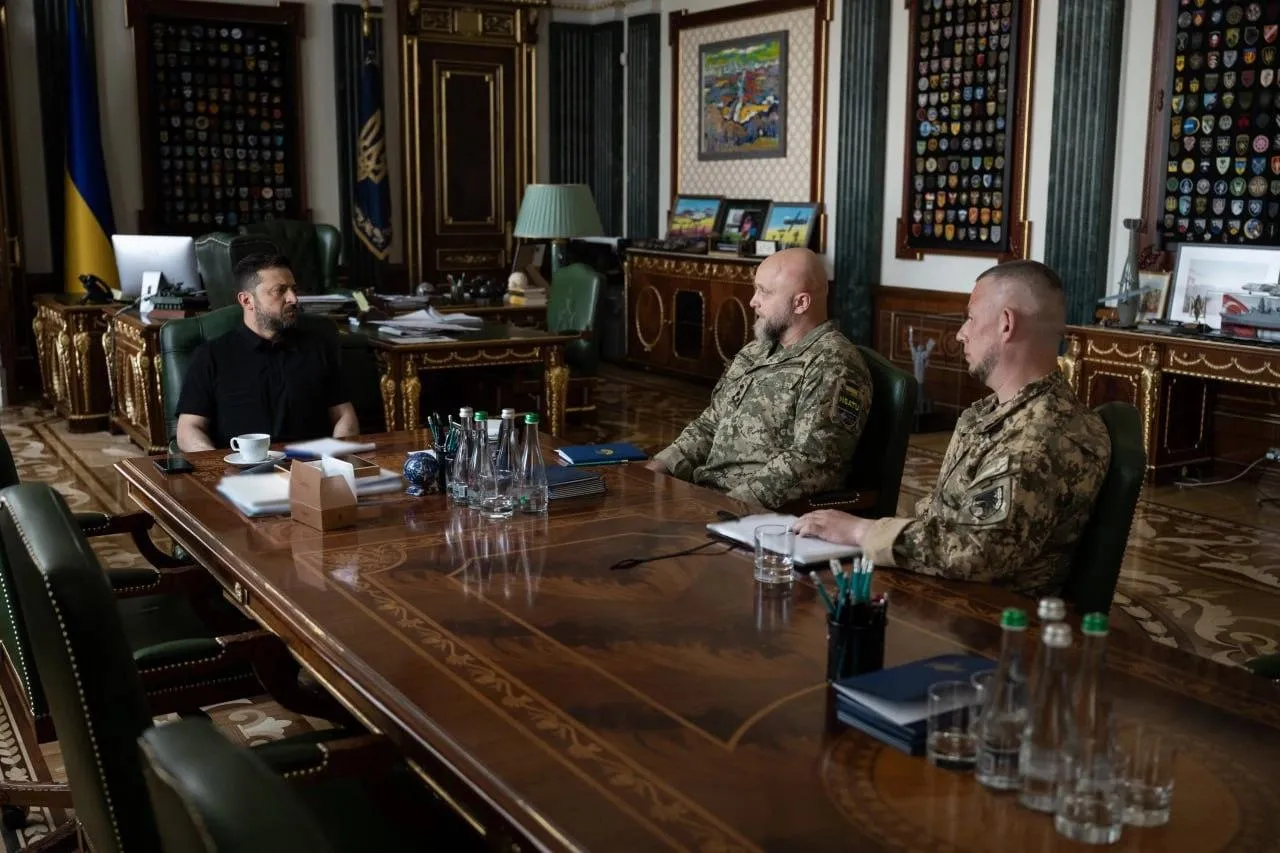
On October 18, Volodymyr Zelenskyy announced that he had received a briefing from Commander-in-Chief of the Armed Forces of Ukraine Mykhailo Drapaty on the situation at the front. The president highlighted the achievements of the Airborne Assault Forces and the Third Army Corps, which are conducting active defense and counterattacking Russian units.
“This year’s trend continues: our soldiers have liberated more territory since the beginning of fall than the Russians have managed to capture,” Zelenskyy said.
Separately, the president discussed the situation in the Dobropillia area, where Ukrainian units are eliminating Russian assault groups and thwarting attempts to penetrate the positions of the Defense Forces. He also emphasized that Dobropillya, Kostiantynivka, Oleksiyevo-Druzhkivka, Orikhiv, and a number of other settlements remain under Ukrainian control.
The statement came after Russian Chief of the General Staff Valery Gerasimov reported to Vladimir Putin on the alleged capture of 92 Ukrainian settlements and more than 1,800 square kilometers of territory since early September.
The Ukrainian General Staff refuted Russian claims regarding the capture of a number of settlements, including Dobropillia and Kostiantynivka. Andriy Kovalyov, a spokesperson for the General Staff of the Armed Forces of Ukraine, stated that Ukrainian troops had liberated more territory than the Russian army had managed to capture during the same period.
A Reuters report on the conflicting statements from both sides notes that the Ukrainian side denied Russian reports of large-scale territorial gains. The agency also emphasized that it was unable to independently verify all claims regarding changes in territorial control.
Operation “Vivaldi”: How the Ukrainian Armed Forces Thwarted Russian Plans in Donetsk Oblast
One of the key examples of Ukrainian counterattacks this fall was Operation “Vivaldi” in the Lyman sector. The Third Army Corps officially confirmed the operation took place in September, following several months of combat during which Ukrainian units gradually eliminated the Russian salient in northern Donetsk Oblast.
On September 15, Andriy Biletsky, commander of the Third Army Corps, announced a counteroffensive north of Lyman. In the first phase, Ukrainian forces regained control of approximately 85 square kilometers and subsequently continued the operation.
On September 28, the Third Corps announced the liberation of Novoye, Ridkodub, and Katerynivka, as well as the restoration of control over Karpivka and Novomykhailivka.
In October, the corps reported new results of the operation. According to its data, Ukrainian units liberated a total of 16 settlements and regained control of 277 square kilometers of territory.
Why the Lyman Sector Is Strategically Important
The Russian command attempted to advance on the Ukrainian defensive line from two sides. In the north, Russian forces advanced through the Lyman and Svyatogorsk area, while in the southwest, they pressed forward from the direction of Pokrovsk and Dobropillya. The goal was to encircle Ukrainian positions, disrupt troop resupply, and create conditions for a further offensive on Sloviansk and Kramatorsk.
In a report dated September 17, the ISW noted that the Ukrainian “Vivaldi” operation thwarted Russia’s plan to encircle the Donetsk region’s defensive belt from the north. The Institute also noted that the Ukrainian military’s success was made possible by a combination of counterattacks, preparatory strikes, and the weakening of Russian electronic warfare capabilities.
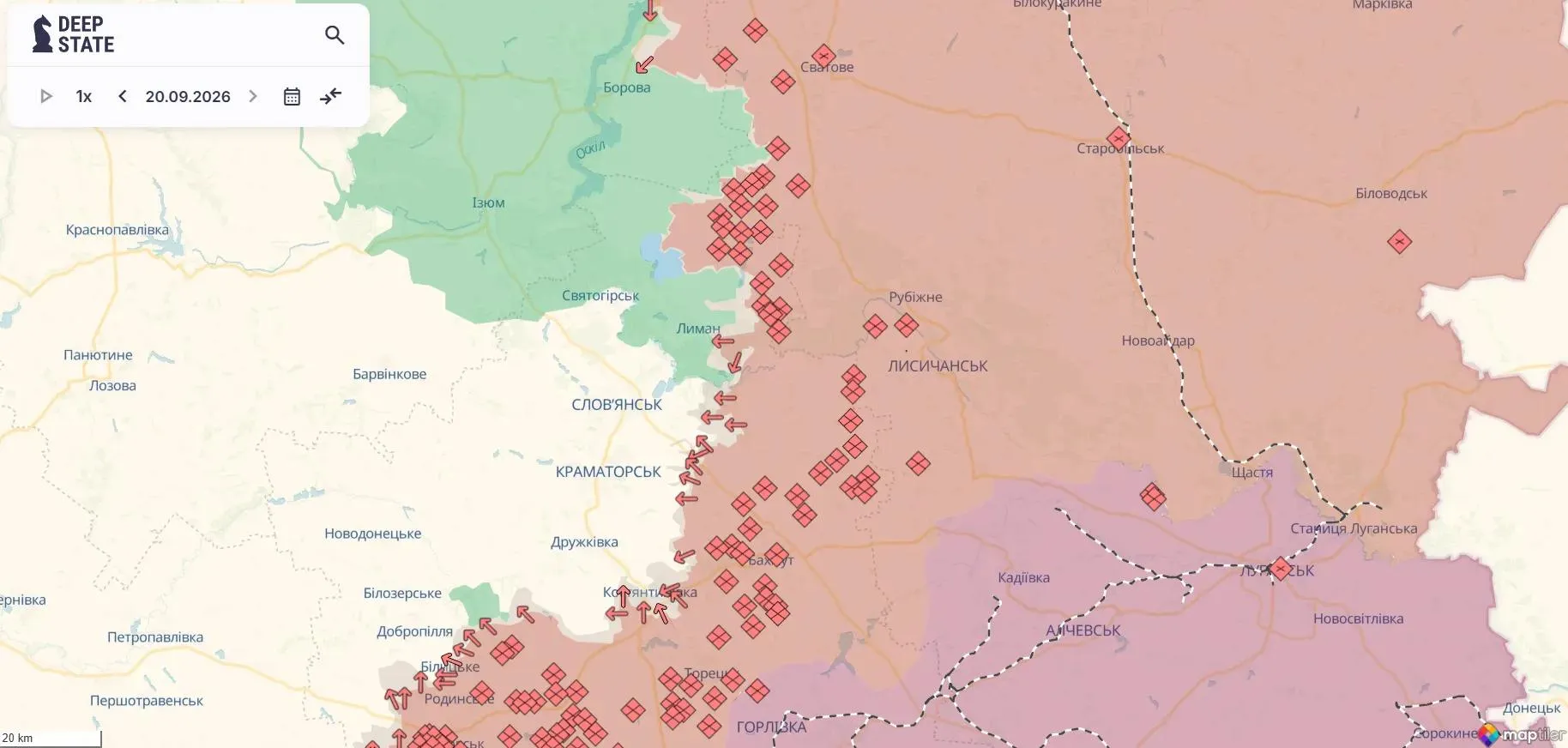
This is a significant achievement, as the Russian command was forced to revise its plans in an area where it had intended to advance. Ukrainian units not only recaptured territory but also eliminated a salient that threatened the northern flank of the Ukrainian defense.
In its September 13 report, the ISW also noted that Ukrainian counterattacks have complicated Russian attempts to encircle the entire defensive perimeter in the Donetsk region. At the same time, the institute noted limited but significant advances by Russian forces near Kostiantynivka and east of Sloviansk and Kramatorsk.
Thus, the situation in Donetsk Oblast is not limited to a continuous Ukrainian advance or an uninterrupted Russian offensive. Ukrainian forces have thwarted part of the enemy’s plan in the north, while the Russian army continues to apply pressure in other sectors.
How the Ukrainian military conducted the operation
The success of “Vivaldi” is linked not only to the number of units involved but also to the organization of combat operations. The Ukrainian military exploited the information vacuum, employed phased fire strikes, and coordinated the actions of adjacent units.
The deputy commander of a mechanized battalion of the 66th Separate Mechanized Brigade, with the call sign “Timokha,” spoke about the liberation of Serednye in the Lyman sector. According to him, Russian troops did not expect a counterattack, as they believed that the local terrain would prevent Ukrainian forces from entering the settlement.
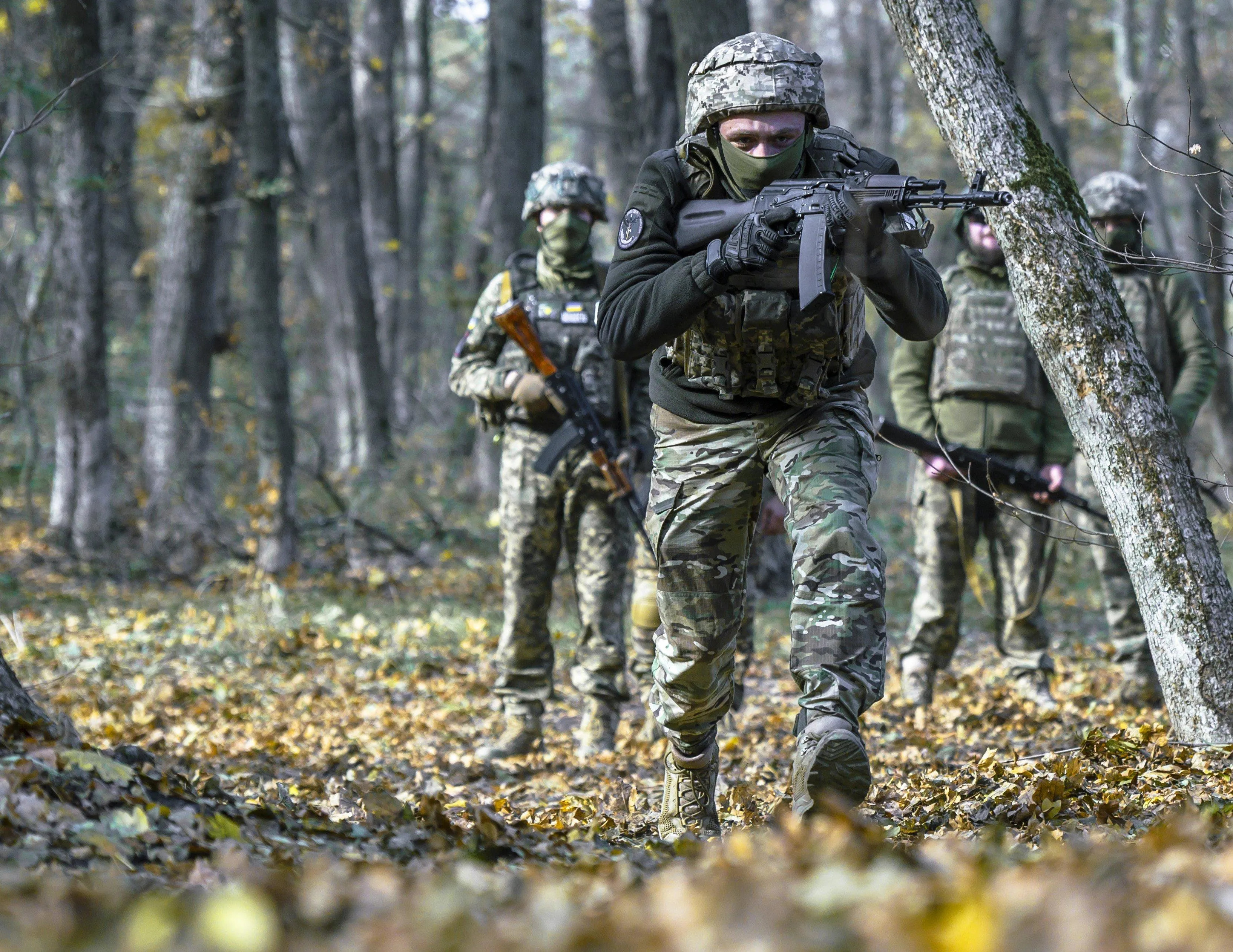
The officer explained that prior to the assault, Ukrainian units systematically carried out strikes using drones, heavy bombers, and artillery. Afterward, the infantry advanced from house to house, checking basements and neutralizing enemy firing positions.
This example demonstrates how a combination of reconnaissance, firepower, and infantry operations makes it possible to launch counterattacks even in areas where the enemy expected to have the advantage of the terrain.
Dobropillia: Russian Offensive Continues Despite Ukrainian Counterattacks
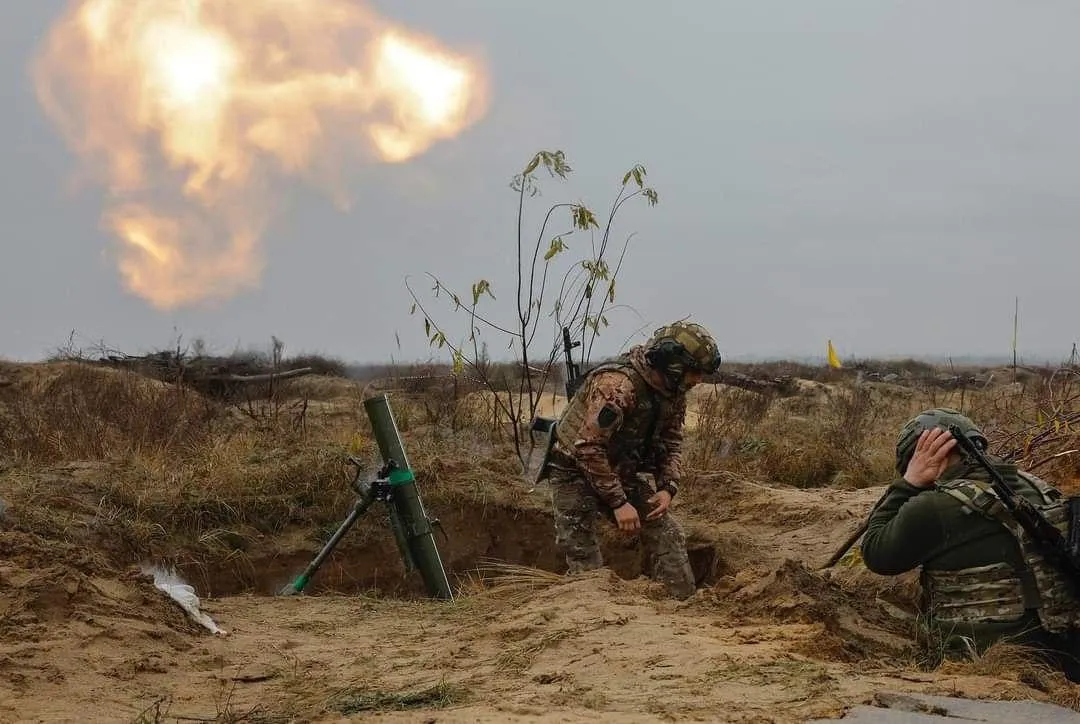
While Ukrainian forces are regaining control of territories in the Lyman sector, the Russian army continues its offensive operations in the Dobropillia area. This sector is important due to its location on the approaches to Sloviansk and Kramatorsk—key cities in the Ukrainian defensive belt in the Donetsk region.
On October 18, Zelenskyy stated that Ukrainian troops are destroying Russian assault groups and thwarting attempts to penetrate the Defense Forces’ positions in the Dobropillia area. The president also refuted Russian claims that the city had been captured.
According to an ISW assessment dated September 17, the Russian command continued to prepare for mechanized attacks in the Dobropillia area, specifically reinforcing the sector with armored vehicles and unmanned aerial vehicle units. This indicated that Russian forces had not abandoned their plans to break through the southwestern flank of the Ukrainian defensive line.
Unlike the Lyman sector, where a Ukrainian counterattack eliminated the Russian salient, significant enemy pressure persists near Dobropillia. Therefore, the results in these two sectors must be considered together: Ukrainian forces thwarted an attempt to encircle them from the north, but the Russian army continues to seek opportunities to advance from the southwest.
This is precisely why the Dobropillia sector remains one of the key areas for the further course of the fighting in the Donetsk region.
How Drapaty Is Changing the Ukrainian Armed Forces’ Command Structure
The territorial gains from Ukrainian operations are taking place against the backdrop of changes in military leadership. In July 2026, Zelenskyy announced the appointment of Mykhailo Drapaty as Commander-in-Chief of the Armed Forces of Ukraine. Among the new leadership’s tasks are restructuring the General Staff, continuing corps-level reforms, strengthening offensive capabilities, and improving troop management.
One of the most notable changes has been the move away from an overly centralized command model. Drapaty has focused on decentralization: commanders of task forces and corps are given greater freedom in carrying out their missions, while the Commander-in-Chief concentrates on strategic issues, resources, and systemic problems.
This signifies a change in the very mechanism of decision-making. Under the decentralized model, field commanders have greater flexibility to adapt tactics to rapidly changing situations without waiting for detailed instructions from higher command.
The corps reform is intended to ensure a more logical chain of command for brigades and units, improve coordination, and enable commanders to plan operations based on actual needs on the front lines.

In February 2026, the General Staff announced the second phase of the corps reform, which called for the redeployment of brigades to the respective corps headquarters, the expansion of corps strength, the development of unmanned units, and the creation of artillery brigades. In an ArmyInform article on the reform, then-Commander-in-Chief Oleksandr Syrskyi noted that the transition to the corps system had made it possible to relieve the burden on command structures and improve the planning of combat missions.
According to Drapato, this reform is continuing, but with a stronger emphasis on decentralization and commanders’ accountability. At the same time, the structure of the military groupings is changing: according to “Ukrainska Pravda,” the “Center” grouping under the command of Andriy Biletsky and the “Azov” grouping under the command of Denys Prokopenko have been formed.
Importantly, the reform is not limited to changing names or reporting lines. Its practical outcome should be that commanders receive the resources needed to carry out their missions, headquarters respond more quickly to changes, and units do not waste time due to excessive bureaucracy.
Drapatiy’s Principles: People, Technology, and Accountability
In September, Drapatyi unveiled the principles of leadership and development for the Armed Forces of Ukraine, setting priorities for commanders and headquarters.
Key areas include stabilizing the front lines, protecting service members, developing unmanned systems, accelerating the adoption of technology, improving logistics, and reducing bureaucracy.
“The most valuable combat capability of the Armed Forces is our people,” the Commander-in-Chief emphasized in the document.
Drapatiy also established the principle that headquarters must work for the troops rather than create additional administrative obstacles. Commanders must receive the necessary resources, understand the operational plan, and be able to make independent decisions within the scope of their assigned tasks.
These changes have direct implications for combat operations. In a situation where Russian forces are making massive use of drones, conducting infantry assaults, and attempting infiltration, the speed of decision-making can determine whether a unit will have time to reinforce its positions, detect a threat, or launch a counterattack.
However, organizational changes do not yield immediate results on their own. Their effectiveness depends on unit staffing levels, personnel training, and the availability of ammunition, equipment, and unmanned systems. That is why command reforms must be evaluated based on their impact on combat results, not merely on their stated principles.
Is the balance of power on the front lines shifting?
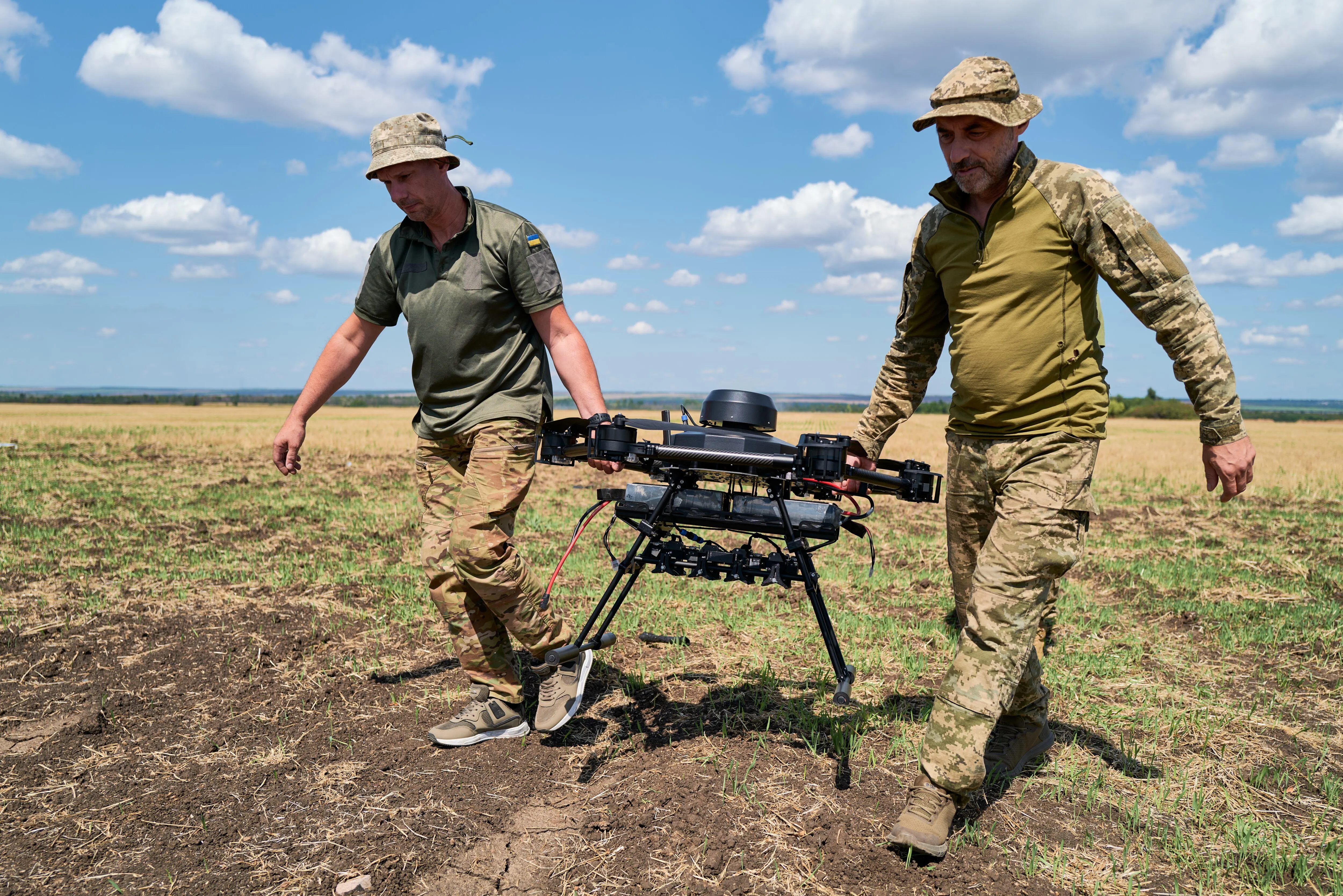
Zelenskyy’s statement about Ukraine’s advantage in terms of territorial balance has a specific context: Ukrainian counterattacks in the Lyman sector have recaptured territory and thwarted part of Russia’s plan in the Donetsk region. At the same time, the Russian army continues to attack in other areas, particularly near Dobropillia and Kostiantynivka.
According to an ISW assessment dated September 13, in August, Russian forces carried out an average of about 24 attacks per day in the Kostiantynivka sector and 32 in the Dobropillia sector. In September, the intensity of Russian attacks in the Sloviansk direction decreased on average from 14 to four per day.
These figures highlight the difference between the sectors: Russian forces maintained significant pressure on the southern flank of the defensive line, while in the Sloviansk sector, the intensity of attacks decreased following Ukrainian counterattacks in northern Donetsk Oblast.
At the same time, the overall balance of power is determined not only by territorial changes. Personnel and equipment losses, the ability to replenish reserves, the state of logistics, the supply of units, and the ability to hold captured positions remain critical factors.
Ukrainian counterattacks have shown that Russian forces cannot freely carry out their plans across all sectors of the front. But this does not mean that the Russian army has lost its offensive potential: it continues to seek weaknesses in Ukrainian defenses and redeploy resources to key areas.
Therefore, the main outcome of the fall operations is not merely that Ukraine has regained some territory. Ukrainian forces have also forced the enemy to change its plans, redeploy units, and expend resources to retake lost positions.
Does this bring Ukraine closer to a turning point in the war?
The results of Operation “Vivaldi” demonstrate that the Ukrainian military is capable of launching counterattacks, regaining control of populated areas, and disrupting Russian plans at the operational level. At the same time, fighting in the Dobropillia and Kostiantynivka sectors indicates that Russia retains the ability to continue its offensive operations.
Changes in the command structure of the Armed Forces of Ukraine are also becoming an important factor. Decentralization, the development of a corps-based system, technological modernization, and increased accountability for commanders should help Ukrainian units respond more quickly to changes in the situation and use available resources more effectively.
However, a strategic turning point is not determined by a single successful counteroffensive, nor is it defined solely by the ratio of liberated to occupied territories. Ukraine’s ability to hold recaptured positions, disrupt Russian logistics, maintain the combat readiness of its units, and prevent the enemy from regaining its offensive momentum will be decisive.
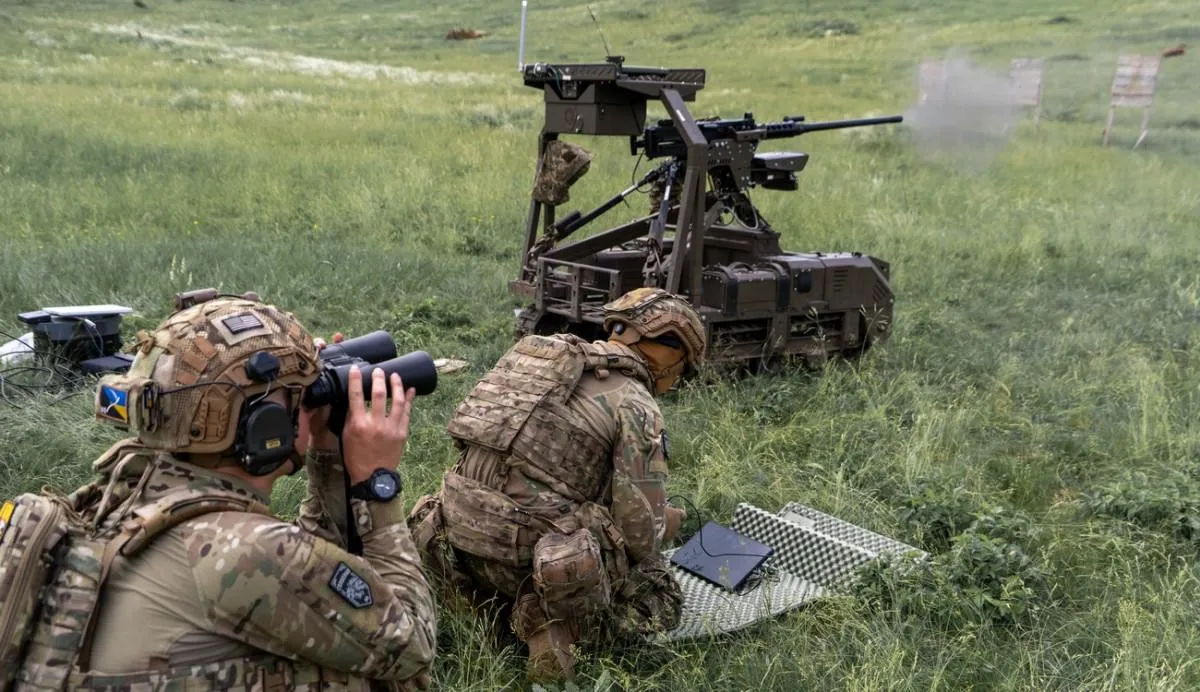
Currently, the Ukrainian military is achieving results in certain sectors, and Russian plans in northern Donetsk Oblast have been seriously complicated. At the same time, combat operations continue, and the Russian army continues to put pressure on Ukrainian defenses.
Thus, Zelenskyy’s statement regarding Ukraine’s advantage in terms of territorial balance reflects the results of Ukrainian operations, primarily in the Lyman sector. The next task for the Defense Forces is to consolidate these results and transform local successes into a sustained improvement in the situation on the front lines.




