
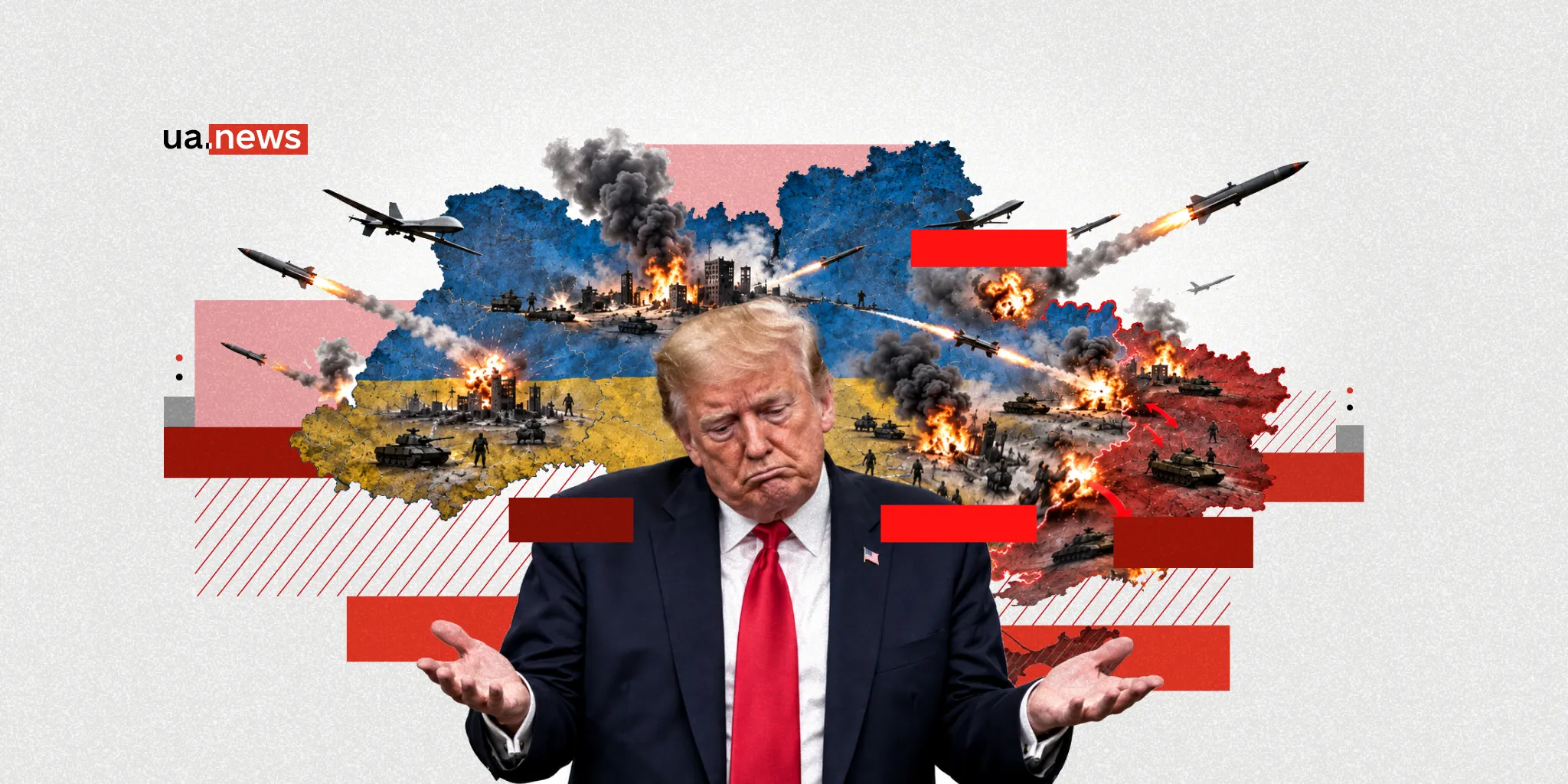
Donald Trump returned to the White House in part thanks to a promise he repeated almost daily: to end the war in Ukraine very quickly—literally, almost before his inauguration. Years have passed since then, yet the war continues and is only growing in scale and becoming more deadly. During this time, Trump has proposed a series of peace initiatives, held grandiose summits, and made countless high-profile statements—but not once has the U.S. president achieved any results.
The “diesel deal” with Putin is already being described by the American side as a sort of “gesture of goodwill” that could supposedly prompt the Russian leader to soften his stance on the war in Ukraine. The media is already reporting on this, but it seems frankly naive and short-sighted, to put it mildly. In this context, it’s worth looking back at the entire timeline of Trump’s peace initiatives. Because each new attempt mirrors the previous one: a high-profile announcement, hope, and then silence and yet another failure.
At the same time, there is another dimension to this story that people usually prefer not to discuss. One gets the impression that only one person in world politics truly wants to end this war—and that is Donald Trump. But desire alone—even if it’s sincere—isn’t enough. You need leverage, clear strategies, and an understanding of who you’re dealing with. So far, none of these elements are visible in Washington.
So how has Trump tried to end the war in Ukraine? UA.News has highlighted the most notable examples. Read more in our article.
Ending the war in 24 hours
This was one of the most high-profile promises of Trump’s 2024 campaign. The future U.S. president repeated this phrase at nearly every rally: “I will end the war between Russia and Ukraine in a day—that is, in 24 hours.” At times, Trump added that he would do this even before his inauguration.
However, it’s always easier said than done. Weeks and months passed after his inauguration on January 20, 2025, and the war continued. In March 2025, Trump was asked about his promise, and he replied that he had “misjudged the timeline a bit” and that, in reality, he “just wanted everything to be resolved quickly.” This was the first public admission that the promise he had repeated dozens of times turned out to be, to put it mildly, an exaggeration. From that point on, he no longer mentioned any specific timeframes: at first he spoke of “about half a year,” and then even that disappeared.
The problem here isn’t even that Trump failed to meet the deadline—neither the 24-hour one nor the (nearly) 24-month one. The problem is that there was no plan behind that high-profile promise. There was only a desire and confidence in his own ability to negotiate—which has let the American leader down time and again.
Anchorage and the “spirit” that wasn’t there
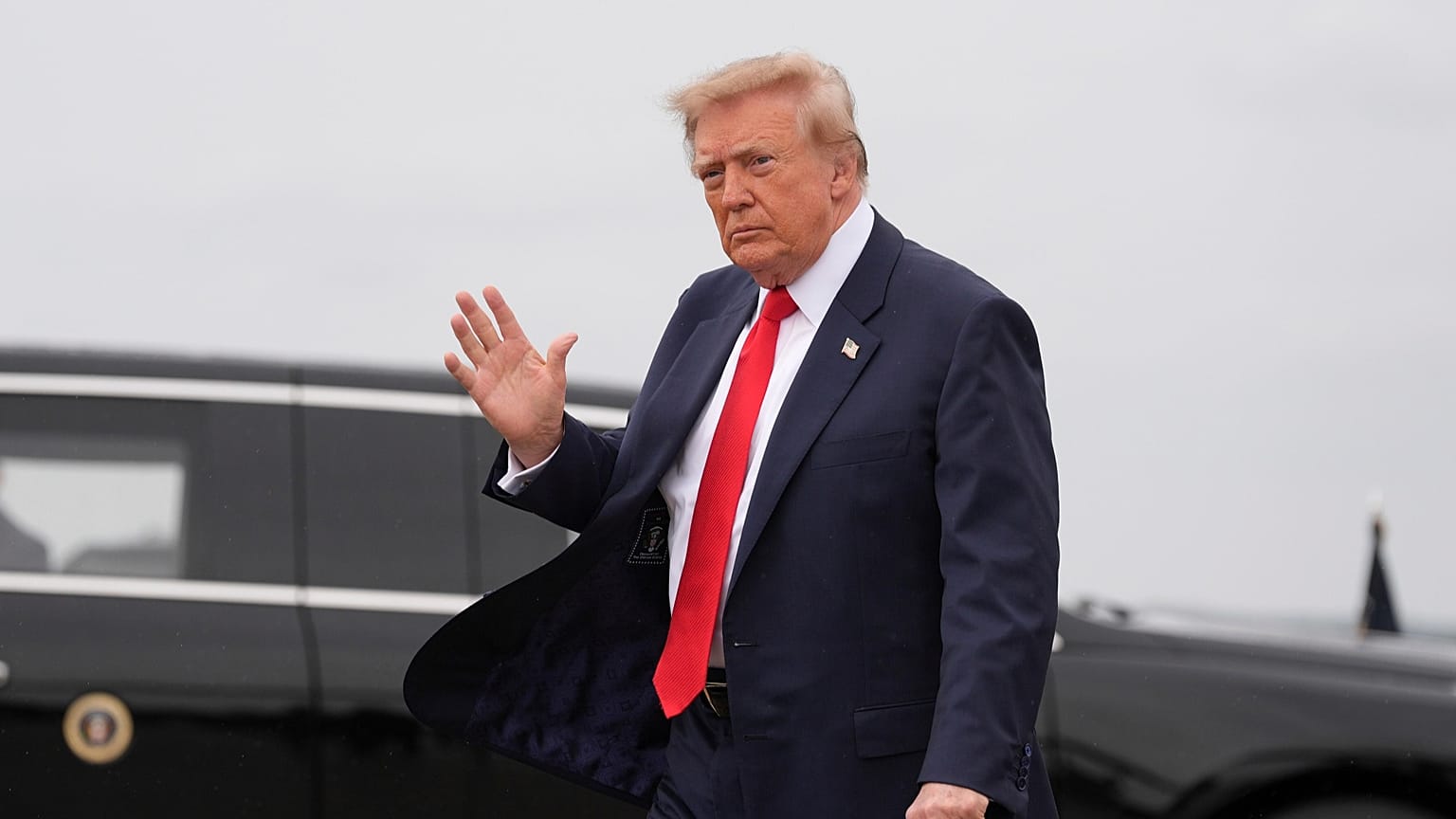
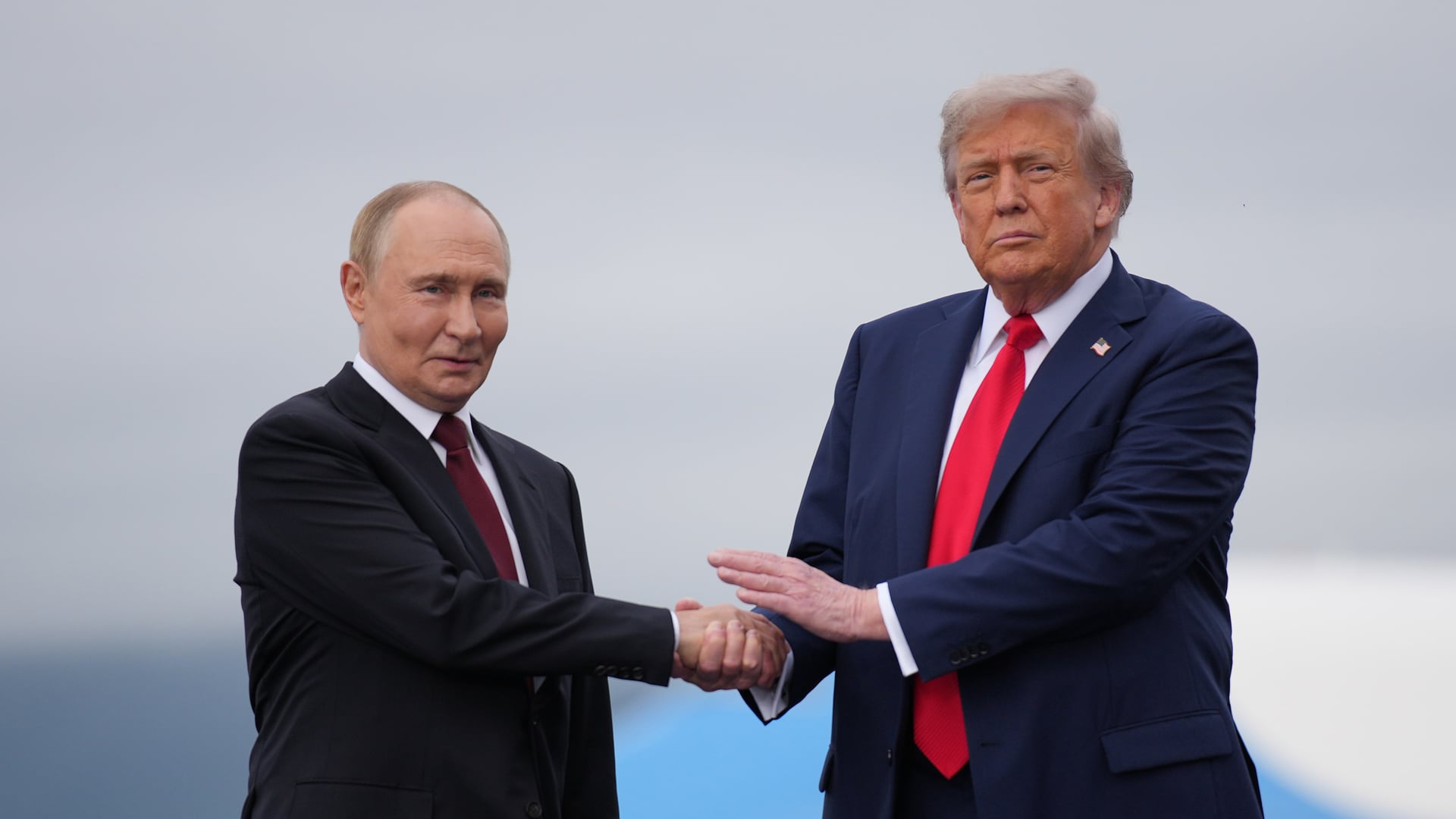
In August 2025, Trump and Putin met in Anchorage, Alaska. It was the first face-to-face summit between the two leaders in years, and Trump flew there intending to negotiate a ceasefire. He even publicly warned Putin of serious consequences in the event of a refusal.
However, in the end, the summit concluded without any formal agreement. Although after the event, Moscow began to vigorously promote the idea of the “spirit of Anchorage.” Allegedly, Trump agreed there to support the Kremlin’s key demand: that Ukraine cede the entire Donbas, including the territories it still controls. Russian officials have cited this narrative for months, accusing the U.S. of reneging on the alleged agreements reached.
It is worth noting that the U.S. has never publicly confirmed such commitments. Although there are perfectly rational reasons to believe that such a deal could have been struck behind the scenes. But the very fact that the Kremlin was able to speculate on informal conversations for a year and use them as leverage clearly illustrates the main flaw in Trump’s approach: negotiations without a protocol, without formalizing agreements, and without coordination with partners. The result is not a real agreement, but merely information noise—which, moreover, plays right into Moscow’s hands.

“Energy Ceasefires” That No One Has Heard Of
On Sunday, October 11, Trump posted on Truth Social that an “energy truce” was now in effect between Russia and Ukraine and that both sides had allegedly agreed to it. Incidentally, the American leader had done the same thing just a month earlier.
That would have been fine, but the problem was that no one except Trump knew about this truce. Neither Kyiv nor Moscow officially confirmed it. Zelenskyy said this came as news to him, and the Kremlin also gave an evasive response. Moreover, on the very same day, Zelenskyy stated that Russia continues to target Ukraine’s energy sector, citing as an example an attack on a power plant in Kharkiv immediately following Trump’s post.
This is a classic case of the U.S. president announcing something that did not actually exist in reality. Perhaps he sincerely believed that he had agreed on something with Putin during their phone call. Perhaps he simply wanted to create the impression of progress after facing criticism over the “diesel deal.” Perhaps he simply lives in some illusory world of his own. But the result is the same: a statement that had no practical consequences whatsoever, other than another blow to Washington’s reputation as a reliable mediator and simply a competent global player.
The
“Diesel Deal” with Putin
The most recent and high-profile incident occurred on Saturday, October 10. Trump announced a “diesel deal” with Putin, under which Russia will immediately supply over 300,000 metric tons of diesel to the U.S. market, another 500,000 metric tons in November, followed by one million metric tons and an additional three million metric tons in the future. On the same day, the U.S. Treasury Department issued a temporary license authorizing these shipments through April 7, 2027. In other words, sanctions against Russia have effectively been partially lifted—and in an export sector that is crucial to the Kremlin regime.
The logic Trump put forward was very simple: diesel prices in the U.S. have reached $6.30–6.50 per gallon, but Ukraine is supposedly to blame for this because it is targeting Russian oil refineries. In other words, instead of putting pressure on the aggressor, Washington decided to ease its situation, lift sanctions on a crucial export sector, allow it to earn billions of dollars—and at the same time sincerely hope that Putin will eventually become more accommodating.
As an economic measure, this doesn’t work: the volumes are too small to affect the market. But as a political gesture, the deal works—and it works exclusively in Russia’s favor. Allowing diesel exports increases Russia’s revenue and expands its resources for the war without requiring any concessions, while also sending an important symbolic message to the world—that sanctions against Moscow can be lifted unilaterally, and there will be no consequences.
This is a clear signal that has nothing to do with “appeasing” the aggressor—if only it were possible to appease him! Instead, it has everything in common with concessions that yield nothing but new demands and a sense of impunity for Vladimir Putin.
Calls for a Change of Power in Ukraine
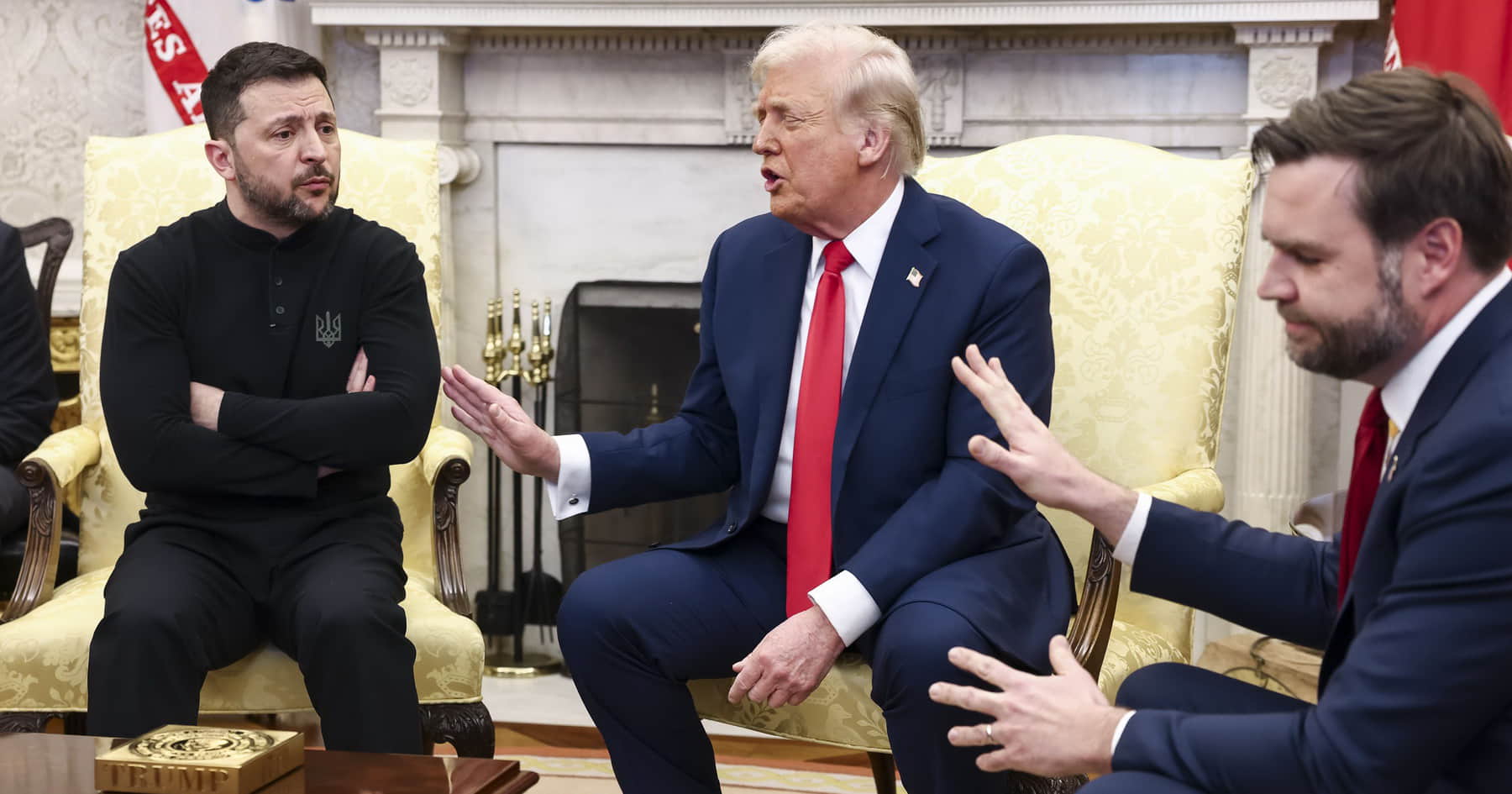
The very next day after the “diesel deal” was announced, Trump once again publicly called on Zelenskyy to step down and hold elections. The U.S. president called his Ukrainian counterpart “the main obstacle to ending the conflict” and stated that he is pathologically “unable to make deals.” In principle, there is nothing new about this position: in the winter of 2025, Trump had already called Zelenskyy a “dictator without elections” and urged that he be “removed from office.”
The context here is important: Zelenskyy’s term was formally supposed to end on May 20, 2024, but all elections were canceled due to martial law. The authorities are not particularly eager to hold elections right now, putting forward a new demand for a 60-day ceasefire to prepare for the process. But Putin, who simply wants to continue the war, no longer agrees to this. Instead of putting pressure on Moscow—or at least on both countries simultaneously—Trump is putting pressure only on Kyiv. Once again, none of this is leading to any results.
Plans That Were Simply Forgotten
During the fall of 2025 and winter of 2026, the Trump administration developed several peace plans. In November 2025, a 28-point document was released that stipulated, among other things, that Ukraine would not join NATO, and that Russia would retain control over Crimea and the occupied parts of Donbas. Later, a 20-point plan emerged with a possible timeline for a ceasefire and a demilitarized zone.
Trump publicly stated that “95% of the terms have been agreed upon,” but one or two very contentious issues remained. These issues turned out to be territory, security guarantees, and the status of the Donbas—that is, precisely what the war is essentially being fought over. The plans were discussed and discussed, and then quietly disappeared from the agenda. None of them were implemented; none even led to a temporary ceasefire.
This is a telling feature of Trump’s approach: he likes to announce plans, but he doesn’t like to see them through to the end. And without strategy and consistency, any plan—to paraphrase a classic—isn’t even worth the paper it’s written on.

In
summary, all of Trump’s attempts have yielded the same result. He promised to end the war in 24 hours and later admitted that he had “made a slight mistake” and, in general, supposedly “didn’t mean that at all.” He held a summit in Alaska, reached no agreement, yet the Kremlin continues to speculate about the “spirit of Anchorage.” He announced energy truces that no one but himself had heard of. He signed a “diesel deal” that undermines the sanctions regime and offers nothing in return. He called on Zelenskyy to step down, but in doing so, he only strengthened his hold on power. His administration proposed various peace plans, but none of them went beyond media discussions.
Criticizing Trump for all of this is both reasonable and fair. He acts chaotically, without a strategy, without understanding Putin’s motivations, without respect for allies, and so on. But there is another side to this that deserves to be stated plainly: looking at this situation, one gets the feeling that only one person is truly trying to stop this war—and that person is Donald Trump himself. Not only are all the others failing to meet him halfway, but they are also, in one way or another, hindering the American leader’s peace initiatives by merely criticizing them and offering nothing realistic in return.
The problem is that Trump has neither the leverage, nor the capabilities, nor the team that could carry out a task as complex as reconciling Russia and Ukraine. The U.S. president acts emotionally, chaotically, and blindly, guided by intuition and a desire for quick results, and time and again he runs into a wall that he did not build, but which he cannot tear down.
So far, all of Trump’s efforts have come to nothing. Unfortunately, they most likely never will. Not because he doesn’t want to, but because mere desire—even if it’s the desire of the entire U.S. president—is not enough to stop a war that, by and large, no one but him actually wants to stop.
Trump believes so strongly in himself and his ability to strike a deal with anyone that he even wrote a book with the telling title *The Art of the Deal*. As a businessman and real estate developer, he may indeed have been good at it. But experience shows that as a politician, he is incapable of truly reaching an agreement with anyone: not with Iran, not with Putin, not with Zelenskyy, and not even with the U.S.’s closest ally—Europe.




