
St. Petersburg Faced a Diesel Shortage After an Emergency Shipment of Fuel to the U.S.
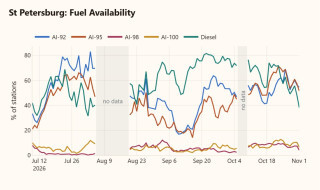
The agreement between dictator Vladimir Putin and Donald Trump to supply Russian diesel fuel to the U.S. and global markets has led to a shortage in northwestern Russia. In St. Petersburg, diesel is currently available at less than 40% of gas stations.
In just over a week, diesel has disappeared from nearly half of the gas stations that were selling it at the end of October. At that time, fuel was available at about 70% of gas stations. The current situation is approaching the peak levels of the fuel crisis in late July, when restrictions were imposed at gas stations in St. Petersburg and diesel was available at fewer than 40% of stations.
Private gas stations in the Leningrad Region have begun limiting diesel sales—drivers are allowed no more than 30–50 liters per vehicle. According to the publication “Rosbalt,” lines have formed outside gas stations in St. Petersburg, with wait times reaching 40 minutes.
Janis Kluge notes that, overall, Russia produces enough diesel fuel. In his opinion, exports to the U.S. may have been rushed through the Baltic port of Primorsk, located near St. Petersburg. This likely caused logistical problems.
Diesel shortages have also been reported in other regions of Russia. In particular, in the Sverdlovsk region, some gas stations have imposed restrictions, while Tatneft stations have completely halted fuel sales. As early as October 26, Yevgeny Pervyshov, governor of the Tambov Region, reported problems with diesel supplies. According to the emergency response headquarters, fuel was unavailable at 29 of the region’s 214 gas stations.
Donald Trump announced the so-called “diesel deal” with Putin on October 9. According to him, Russia agreed to supply more than 300,000 metric tons of fuel to the U.S. and global markets in October, another 500,000 metric tons in November, and 1 million metric tons immediately thereafter. The Kremlin called the agreement mutually beneficial and in line with the interests of global markets. Trump also spoke positively about the deal and stated that the U.S. would receive significant volumes of fuel.
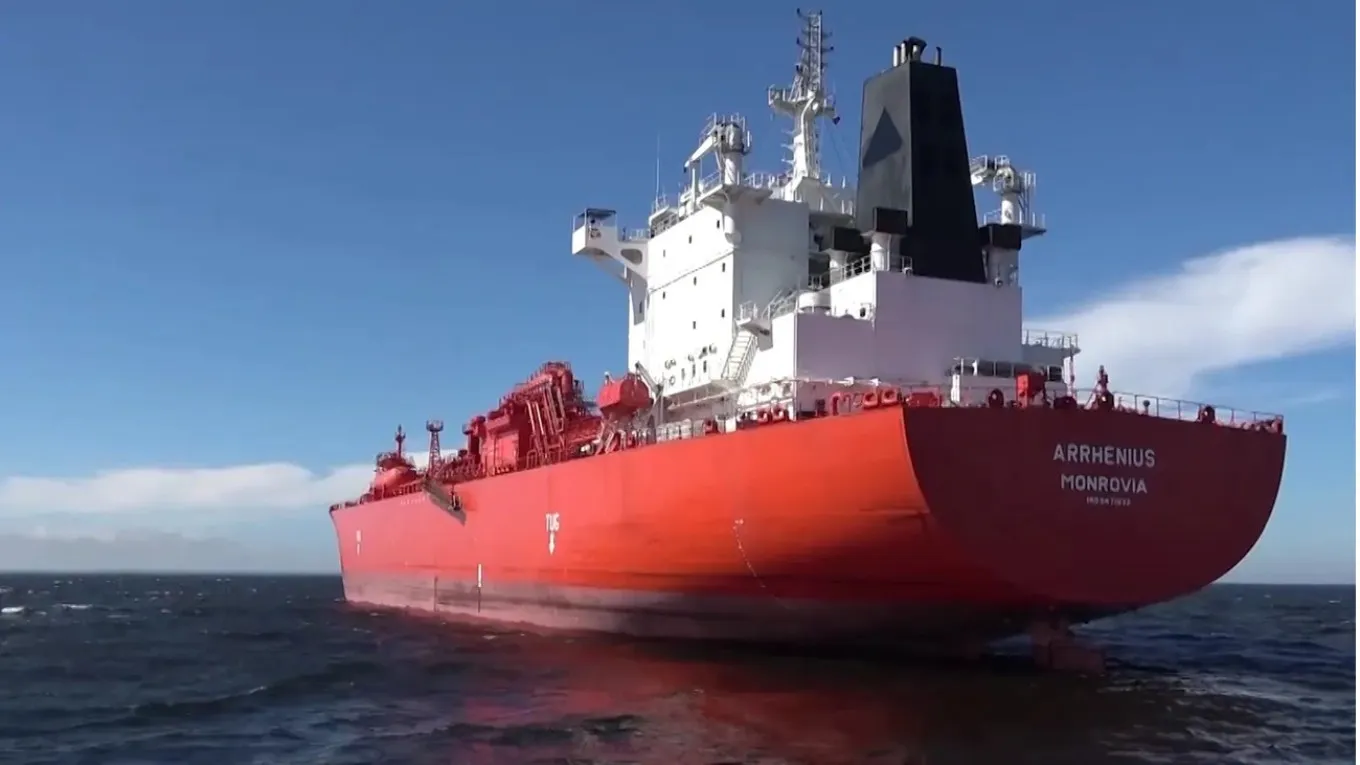
According to Greenpeace estimates, seven tankers were used to transport the Russian diesel, including vessels subject to sanctions. At the same time, despite a large-scale information campaign and offered discounts, no buyers for this fuel have yet been found in the U.S. As reported by The Washington Times, American companies fear the legal consequences of cooperating with Russia, since imports of its diesel have been banned by sanctions since 2022. As a result, the fuel will likely have to be redirected to Brazil, analysts at Rapidian Energy suggested.
At the same time, the U.S. has no need for Russian diesel, as it produces more than it consumes and exports the surplus. Janis Klug emphasizes that Moscow and Washington are competing in the global diesel fuel market. In his view, Trump’s agreement with Putin could have a negative impact on American companies.
This is evidenced by data from the “GdeBenz” service, which was analyzed by economist Janis Kluge.
Trump and Putin’s “Diesel Deal”: Causes and Consequences for Ukraine and the World.
The Czech president stated that Trump’s diesel deal with Putin derailed peace talks.
The U.S. Congress is preparing an investigation into the diesel deal with Putin – Bloomberg




