
Over the past two years, the world's rivers and lakes have lost record amounts of water — Scientias
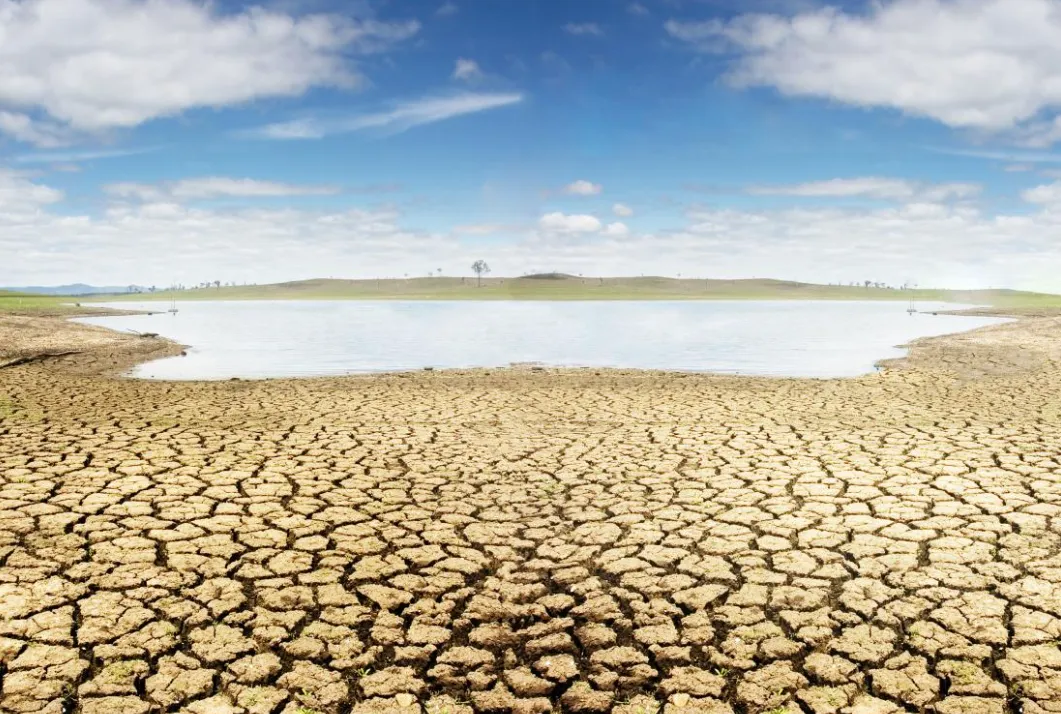
In 2023–2024, the world’s rivers, lakes, and reservoirs lost more freshwater than in any other two-year period since 1991.
Scientists estimate that river water volumes decreased by approximately 2,000 cubic kilometers each year, while those in lakes and reservoirs decreased by an additional 640 cubic kilometers.
The researchers analyzed data from 150 major river basins and satellite imagery of more than 1.2 million lakes and reservoirs. They found that river flow in 2023–2024 was about 6% below average, while water levels in lakes and reservoirs decreased by 9.5%.
South America suffered the greatest losses. There, river flow decreased by nearly 18%, and water levels in lakes and reservoirs fell by 16.5%. The Amazon basin experienced its lowest runoff levels in the past 40 years. The Rio Negro near Manaus recorded record-low water levels in 2023 and 2024, the lowest since records began in 1902.
The massive reduction in water reserves was caused by a combination of El Niño and abnormal warming in the tropical North Atlantic. This altered atmospheric flows over South America, leading to drought and reduced precipitation. At the same time, the situation was the opposite in some regions of the world—severe flooding occurred alongside droughts.
In particular, Belgium and the Netherlands experienced an exceptionally wet period. In Uccle, Belgium, from October 2023 to September 2024, the highest amount of precipitation was recorded since observations began in 1833. In the Netherlands, 2023 was the wettest year since 1906.
Scientists warn that global warming does not necessarily lead to uniform drying of the planet. Instead, it exacerbates the contrast between regions experiencing prolonged droughts and areas suffering from excessive rainfall and flooding. At the same time, even an increase in total rainfall does not guarantee a replenishment of available freshwater supplies.
The researchers emphasize that it is too early to speak of a long-term trend based on only two years of observations, but the risks of prolonged droughts and water shortages remain serious.
Source: Scientias.
A review of 100 scientific studies showed that climate change-related droughts may increase the risk of the spread of certain waterborne infections. When water bodies shrink or dry up, animal hosts of pathogens and pathogenic microorganisms congregate at the few remaining water sources, facilitating the transmission of diseases.
In the province of West Kalimantan in Indonesia, a drought linked to the El Niño phenomenon has disrupted the transport of palm oil along the Kapuas River. Due to falling water levels, barges and tugboats are running aground, and processing plants are reducing their purchases of fresh oil palm fruits because they cannot transport the oil already produced out of storage facilities.
Russia’s war against Ukraine, disruptions in the energy and fertilizer markets, the war in the Middle East, and the impact of El Niño are exacerbating risks to global food security. According to the publication’s estimate, approximately 645 million people worldwide are facing hunger.




