
One of Russia's oldest pawnshop chains is going bankrupt in Moscow
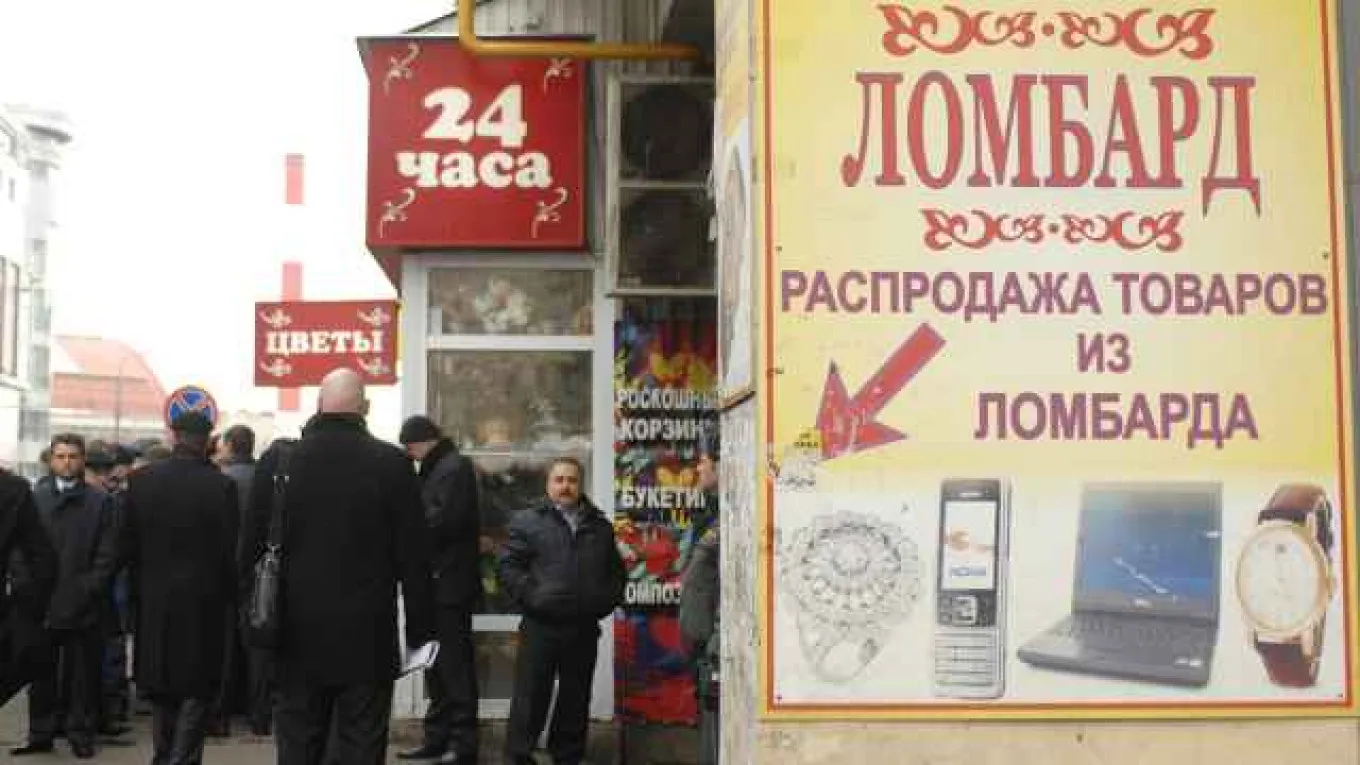
The “Mosgorbombard” network, which has been in operation for over 100 years, has found itself in a difficult financial situation due to a series of defaults. For the second time in a week, the parent company of the MGKL Group failed to meet its obligations to investors, missing a November 2 payment of 20 million rubles on its bonds (about $245,000). A few days earlier, the company also failed to pay coupon income of 24.7 million rubles (about $302,000).
The National Rating Agency downgraded MGKL’s credit rating to C|ru|, indicating a high probability of full-scale bankruptcy. The group’s total public debt reached 6.5 billion rubles (about $79.6 million), and its securities have plummeted: bond prices have fallen to 10–27% of face value, while shares have lost 52% of their value.
The Federal Tax Service has already frozen the accounts of eight MGKL subsidiaries due to their debt, with private investors—individuals—being the main victims of the financial collapse.
Source: RBC.
Russian authorities are increasingly borrowing money to finance the budget as military spending continues to rise. According to estimates by the Russian Ministry of Finance, the budget deficit in 2026 could reach 7.3 trillion rubles—twice as much as planned.
Russian authorities are increasingly relying on funds from state-owned banks to finance the budget deficit, which could reach $91.3 billion in 2026.
On October 29, the Russian State Duma passed the draft federal budget for 2027–2029 in its first reading. The document calls for increased spending on the military and law enforcement agencies, reduced funding for a number of civilian sectors, and tax increases.
In the temporarily occupied territories of Zaporizhzhia Oblast, representatives of the occupying administration have launched a campaign to forcibly collect funds and property for the needs of Russian military units.




