
Airborne Assault Troops Are Testing the Experimental "Mushlya" Shelter
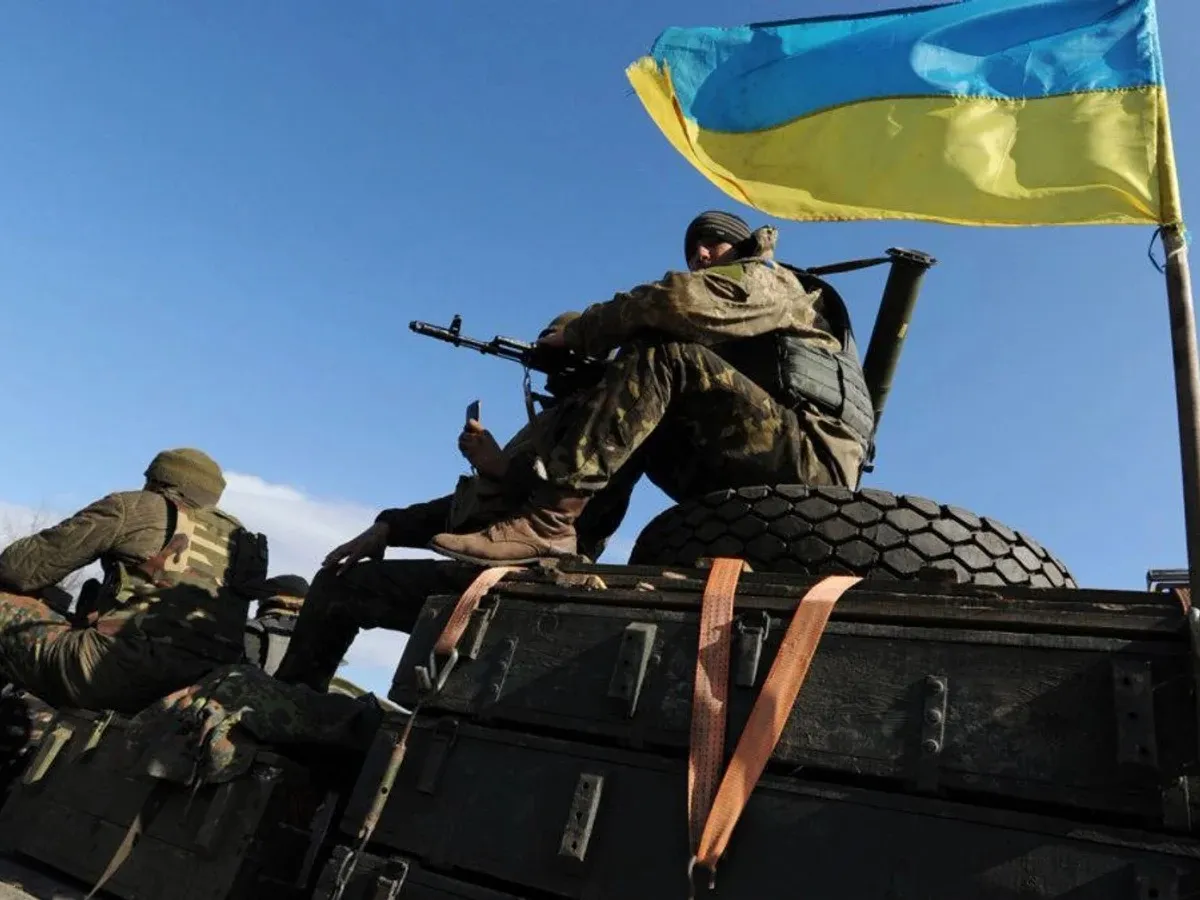
The Airborne Assault Forces of the Armed Forces of Ukraine have received “Mushlya” shelters, made of waterproof plastic, for testing. This is an experimental design that is currently being tested by the troops.
This was reported by Colonel Dmytro Pishko, head of the Support Forces Directorate at the headquarters of the Ukrainian Armed Forces’ Airborne Assault Forces Command.
“We are now adopting industrially manufactured fortification structures. We recently received the experimental ‘Mushlya’ shelter. It is made of waterproof plastic and is ideal for areas with high groundwater levels, as it does not require additional waterproofing,” Pishko noted.
According to him, the military has now begun actively using single and double underground trenches with reinforced ceilings, which are essentially an improvement on the so-called “foxhole.”
“In those areas where defensive preparations were carried out in advance, the State Special Transport Service equipped the positions very well. We worked with them in both 2025 and 2026. Their specialists always listen to us. The positions are designed not only for firing and rest, but also for cooking and sanitary needs. “We worked out solutions and drew up plans for the positions—and they set them up exactly as we had envisioned and as we needed,” the military officer added.
As the colonel noted, the positions are now increasingly becoming fully self-sufficient. They include not only areas for firing and rest, but also for cooking and personal hygiene.
In an interview with Ukrinform, Pishko emphasized that a modern position is a very interesting and, at the same time, complex solution.
The Ukrainian military officer discussed whether it is realistic to deploy ground robots on Moscow.
In the Donetsk region, an underground tunnel nearly 6 km long was constructed for the Ukrainian Armed Forces.
Paratroopers destroyed an ammunition depot and Russian positions in the Kupiansk sector.
There were 206 combat engagements on the front lines over the past 24 hours, with the highest number occurring in the Kostiantynivka sector.




