
Tax breaks on imports of raw tobacco exceeded 65 billion hryvnia
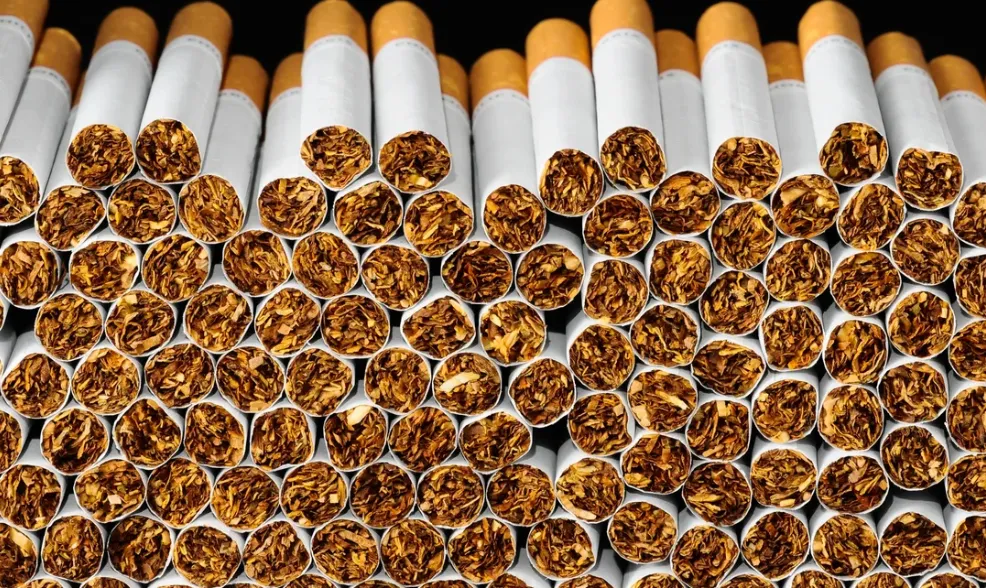
From January through October 2026, importers of raw materials for the production of tobacco products received customs exemptions totaling 65.8 billion hryvnia. This is more than in all of 2025 and more than double the exemptions granted for goods needed to restore energy infrastructure.
In total, over the ten-month period, importers were granted customs duty exemptions totaling 355.8 billion hryvnias—40.9% more than during the same period last year. Nearly half of this amount was for defense-related goods.
The largest share of exemptions went to:
defense-related goods — 197.7 billion hryvnia;
raw tobacco — 65.8 billion hryvnia;
goods covered by free trade agreements — 35.8 billion hryvnia;
equipment and goods for the energy sector — 32 billion UAH.
For comparison: throughout 2025, tax exemptions on tobacco raw materials totaled 62.7 billion UAH. In 2026, the average monthly volume increased from 5.2 to 6.6 billion UAH. The largest amount of such exemptions was granted in January—10.2 billion UAH.
Orest Mandziy, head of the State Customs Service, questioned the wisdom of such concessions during wartime. According to him, some importers do not use the imported raw materials to produce finished goods, causing surpluses to accumulate.
Source: Forbes Ukraine
At the “Porubne” border crossing, border guards caught a Ukrainian citizen attempting to illegally transport approximately 500 packs of cigarettes to Romania. The woman had hidden the tobacco products in structural cavities of her own car.
At the “Ustyluh” border crossing, a Polish citizen attempted to import nearly 3,000 e-cigarette cartridge parts into Ukraine without declaring them or paying customs duties. The goods, in their original packaging, were being transported in the trunk of the car through the “green corridor.”
A study by Queen Mary University of London in the United Kingdom showed that e-cigarettes can help people quit smoking even without regular counseling.




