
The occupiers have intensified their artillery shelling in the Dnipro region following the ceasefire
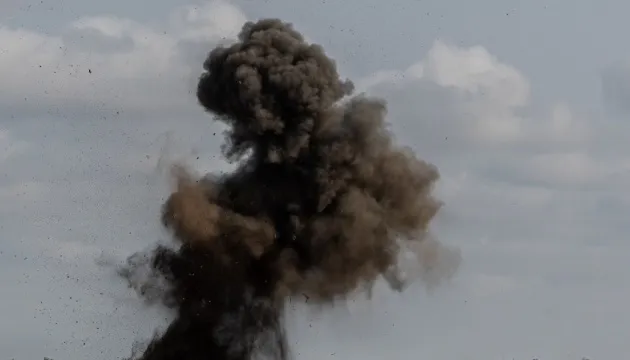
Following the ceasefire, Russian troops have increased the frequency of artillery shelling and reconnaissance UAV flights in the Dnipro region. At the same time, the enemy has not changed its tactics and is not advancing along the front line.
This was reported on November 6 by Pavlo Drohal, a spokesperson for the Ukrainian Navy’s Marine Corps, in comments to Ukrinform.
According to him, during the ceasefire, the Russians reinforced their positions, brought in additional equipment, replenished their ammunition stocks, strengthened their defenses, and rotated their troops.
Currently, the occupiers are deploying about 500 attack drones per day—roughly the same number as before the ceasefire. The Ukrainian military has not yet recorded any attempts by the enemy to more actively seize islands in the Dnipro Delta.
Over the past six months, the Russian army has lost 160 artillery systems in this sector. Additionally, enemy casualties—including those killed and wounded—totaled 201 soldiers in September and more than 350 in October.
Source: Ukrinform
Ukraine appealed to Russia with a proposal to extend and expand the ceasefire following a humanitarian mission to evacuate people from Oleshky. However, in response, the aggressor country launched yet another massive strike against Ukraine’s energy infrastructure and shelled Komyshuvakha.
Ukrainian defense forces ensured a ceasefire in the Kherson region to carry out a humanitarian mission in Oleshky. However, the Russian military took advantage of this lull to fortify their own positions, the General Staff of the Armed Forces of Ukraine reported on November 2.
Ukrainian Ombudsman Dmytro Lubinets reported on October 30 that all residents of Oleshky who wished to leave for territory controlled by Ukraine were able to take advantage of the evacuation, and humanitarian aid was delivered to those who remained.




