
Since the beginning of the year, the FSB has killed 14 people suspected of planning acts of sabotage
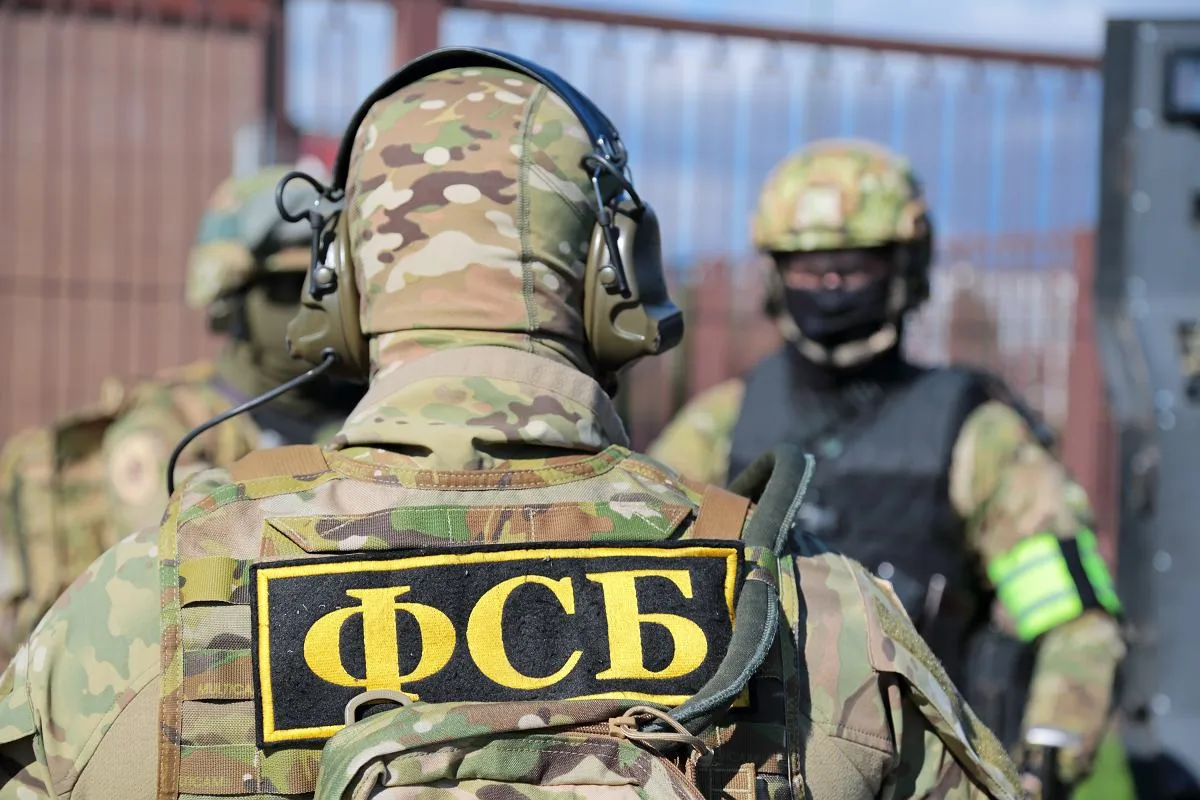
In November 2026, during operations in four Russian cities, the FSB detained four people; according to the security service, two others were killed during their arrest.
In total, since the beginning of the year, the number of suspects in sabotage plots killed by FSB officers has reached 14, and since the start of Russia’s full-scale invasion of Ukraine—89.
According to the FSB, those detained and killed were allegedly agents of Ukrainian military intelligence and the SBU who were planning attacks on ships in the Caspian Sea, military airfields, and infrastructure facilities.
The security service claims that since the beginning of 2026, they have received over 700 kg of explosives, at least 40 attack quadcopters, six jet skis, and equipment for assembling drones. According to the FSB, some of the cargo was delivered using weather balloons and UAVs, while the jet skis were transported via third countries.
In Moscow, the Federal Security Service of the Russian Federation—the aggressor state—announced the arrest of a woman suspected of involvement in the bombing of Serhiy Zavorotny’s car.
Polish-speaking media outlets cast doubt on the authenticity of the correspondence that the Russian FSB showed in a video about the detention of two alleged agents of the Polish intelligence services in the Kaliningrad region.
In Russia, the aggressor state, the FSB announced the detention of two Polish citizens in the Kaliningrad region. The Russian intelligence service accused them of working for Polish intelligence services. These claims have not been independently verified in the report.
Starting March 1, 2027, the Federal Security Service of the Russian Federation will be able to access complete information about customers of Russian cryptocurrency exchanges and exchange services. This includes passport information, tax identification numbers, phone numbers and email addresses, bank account and crypto wallet details, transaction and correspondence history, as well as other information stored by the platforms.




