
Russia Is Boosting Diesel Production Following Agreements with the U.S. — Reuters
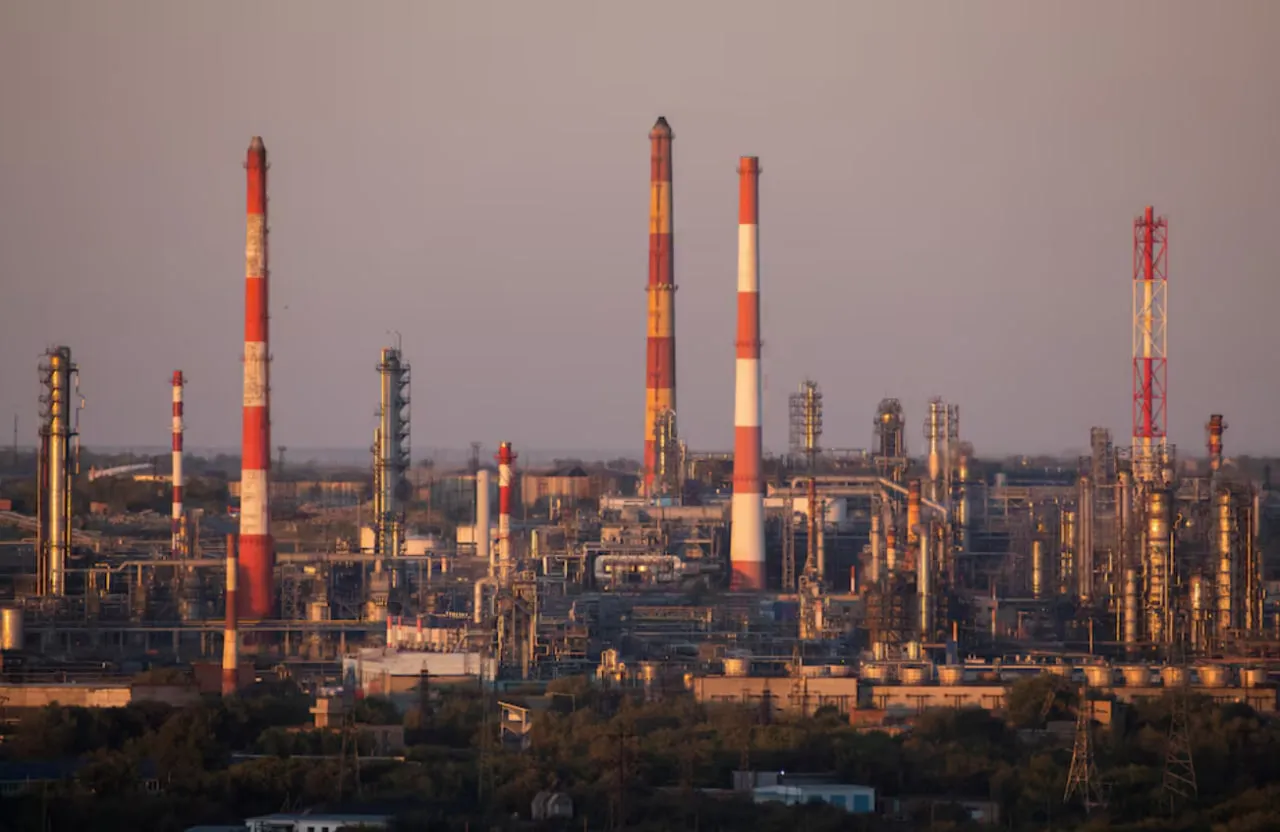
Russian oil refineries are ramping up diesel fuel production in October after the Russian government granted export quotas under the supply agreement between Russia and the United States.
In the first half of October, the Russian government allowed exceptions to the existing ban on diesel fuel exports by introducing quotas that enable Russia to supply fuel in accordance with the agreement with Trump.
After the ban on diesel fuel exports from Russia took effect in August, Russian oil companies were forced to cut production to meet domestic demand, while also limiting supplies to Central Asian countries under intergovernmental agreements.
In the first half of October, diesel fuel production in Russia fell to approximately 160,000 metric tons per day, compared with 175,000 metric tons per day in September. After the introduction of new export quotas in the middle of the month, production began to rise, approaching 180,000 metric tons per day.
In October, domestic consumption typically declines to about 140,000 metric tons per day. This is due to seasonal factors, including the end of the grain harvest and the summer driving season.
“Thus, at least 40,000 metric tons of fuel per day, or more than 1 million metric tons per month, may remain available for export. At the same time, according to estimates from sources, between 200,000 and 300,000 metric tons of this volume may be needed for supplies to neighboring countries,” Reuters reports.
Reuters reports this.
Russia has stated its readiness to supply the U.S. with any volume of diesel fuel.
An agreement between the U.S. and Russia must take into account the interests of Ukraine and the EU—Kallas.
The U.S. Department of Energy has called on refineries to increase diesel production—OilPrice.
Diesel in the U.S. is already more expensive than it was before the fuel agreement with Putin.




