
Retaliatory Strikes: How Ukrainian Drone Attacks Have Become Part of Daily Life for Russians
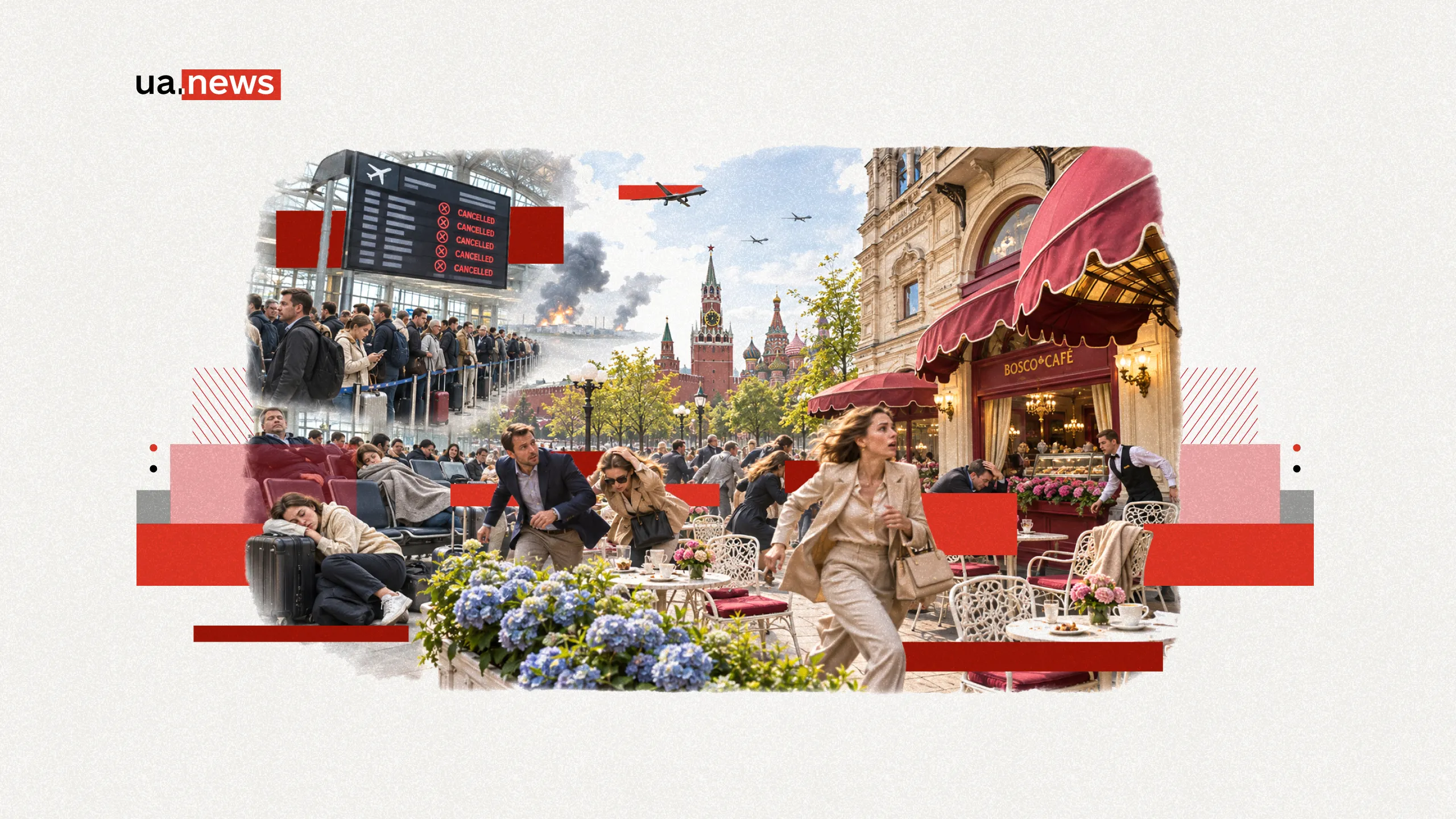
This year, Ukraine has launched twice as many long-range strikes against Russian territory as Russia has against Ukraine. The main targets have been military facilities, as well as anything that financially fuels the Kremlin’s war machine—the oil refining industry, logistics hubs, and digital infrastructure.
Over the summer, the Russian Ministry of Defense reported intercepting more than 43,000 Ukrainian drones over Russian territory and the temporarily occupied Crimea. By comparison, only 7,700 drones were reported during the same period in 2025. The Ukrainian command has not disclosed the exact number of hits. However, it is evident that in response to Russian strikes in October, the Ukrainian Defense Forces launched a new wave of drone attacks.
In any case, it is becoming increasingly difficult for the Kremlin to maintain the illusion of security for Russians—the war is encroaching on their daily lives. And not just in regions near the front lines. In Moscow and St. Petersburg, drone attacks have also become a common occurrence. And although these strikes have not yet led to any social pressure on the Kremlin or anti-war sentiment, the situation continues to change with each passing day of hostilities.
UA.News reports on how the war has reached Russian megacities in the form of air defense systems on rooftops, canceled flights, lines at gas stations, and rising prices.
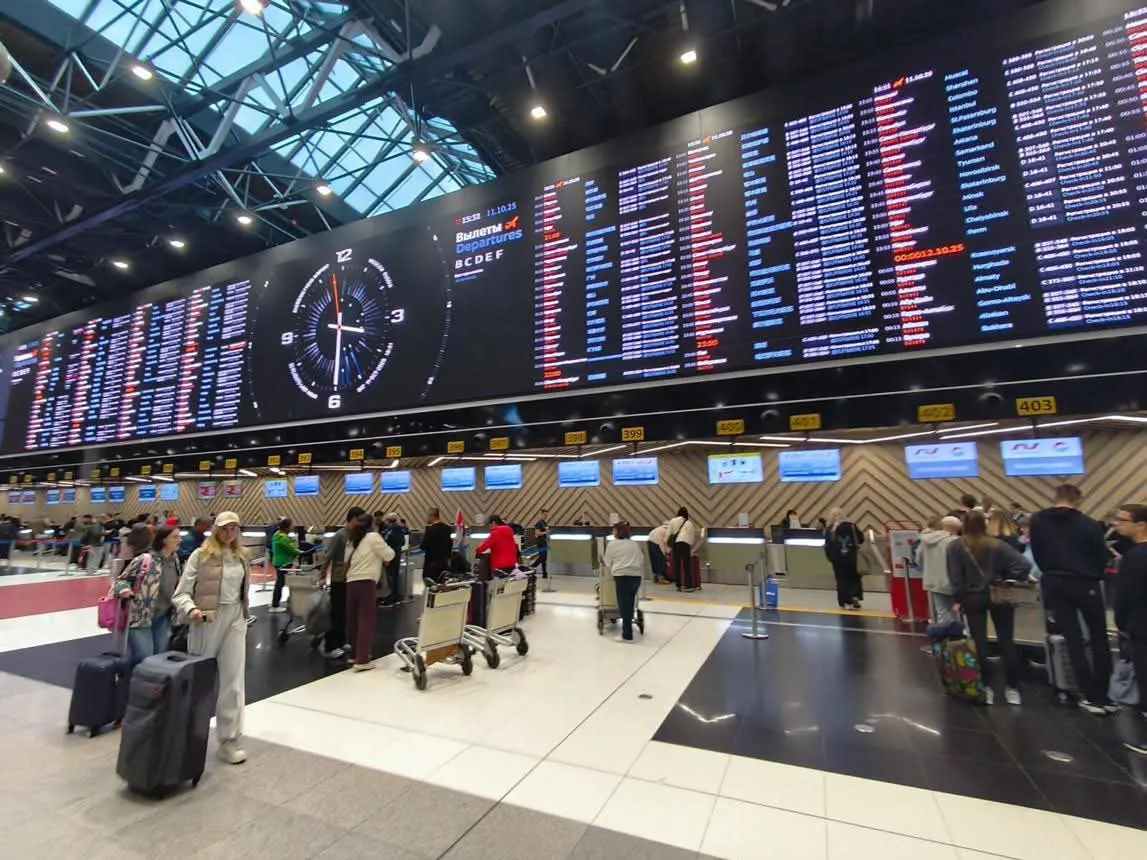
Russian airports have been closed more than 3,500 times
One of the most tangible consequences of Ukraine’s long-range strikes has been the disruption of Russian air traffic. Due to the threat of drones, airports hundreds and even thousands of kilometers from the Ukrainian border are regularly being closed. According to Rosaviatsiya, from January to October 2026, 3,594 flight restrictions were imposed at airports in the Russian Federation. These restrictions affected not only border regions but also major aviation hubs: Moscow, St. Petersburg, and other cities.
According to estimates by the aviation security company Osprey Flight Solutions, the summer of 2026 was the most challenging period for Russian civil aviation since the start of the full-scale war.
The most problems arose in Sochi, Kazan, and at Moscow’s Domodedovo and Vnukovo airports. Specifically, in the first half of 2026, Sochi Airport faced restrictions due to the threat of drones for 70 days. In Kazan, there were 51 such days.
Since mid-May 2026, there has not been a single day in Russia when all of the country’s airports operated without restrictions due to the threat of drones. On average, the schedules of seven airports were disrupted daily, compared to four a year earlier.
The most high-profile incident was the disruption at Moscow’s airports on the day participants departed from Putin’s “Russia–Africa” summit, held on October 28–29. At that time, at least 223 flights were canceled and another 233 were delayed at Moscow’s airports. This occurred due to the second-largest drone attack on the Russian capital since the beginning of the year.
The airports were closed for nearly nine hours. Subsequently, Rosaviatsiya announced the lifting of restrictions at Zhukovsky and Sheremetyevo, while Vnukovo and Domodedovo continued to handle flights as agreed. Prior to this, the last large-scale flight cancellations at the capital’s airport hub occurred on October 17 (221 cancellations).
The
fuel crisis has become a federal
issue
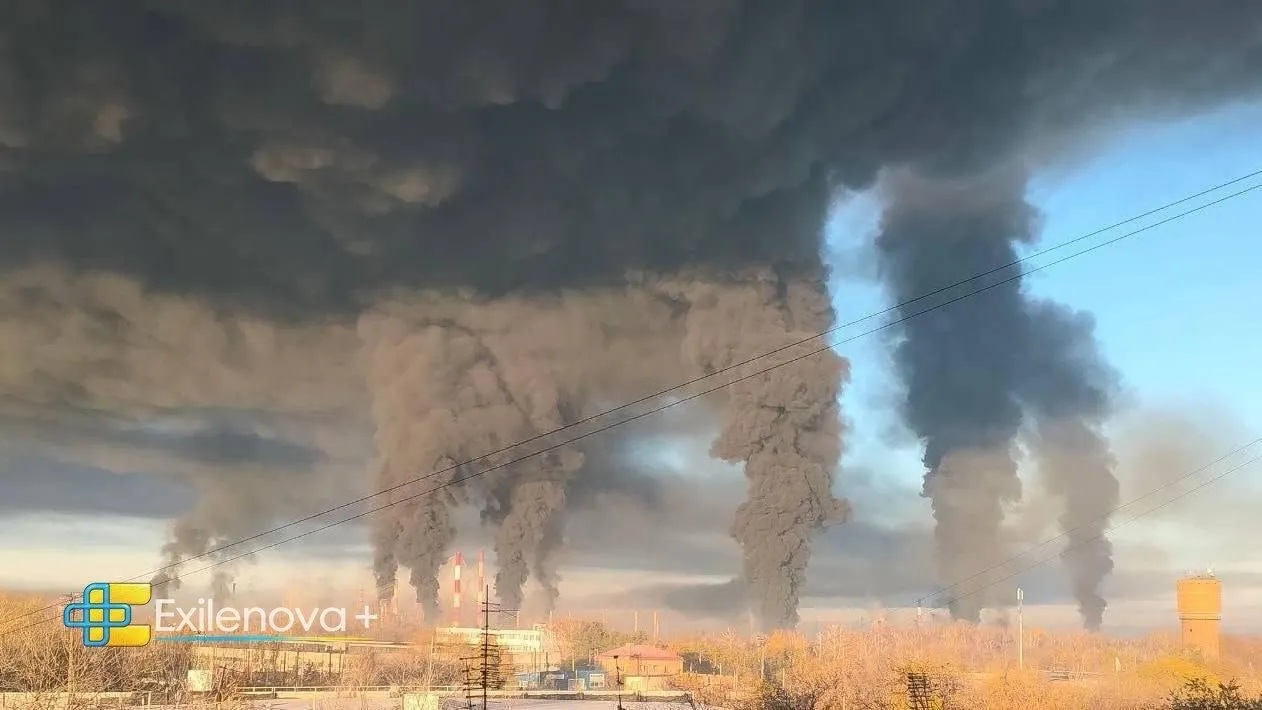
As a result of the “drone sanctions” in June 2026, oil refining volumes in Russia fell to their lowest level in more than 20 years and were approximately 30% lower than a year earlier. These figures were released by the International Energy Agency (IEA).
Accordingly, gasoline production fell by 20% compared to 2025 levels, and diesel fuel production by nearly 30%. In the first eight months of 2026, the network of Russian refineries came under attack on average once every three days. By the end of August, only five of Russia’s major oil refineries had remained unaffected by Ukrainian drones.
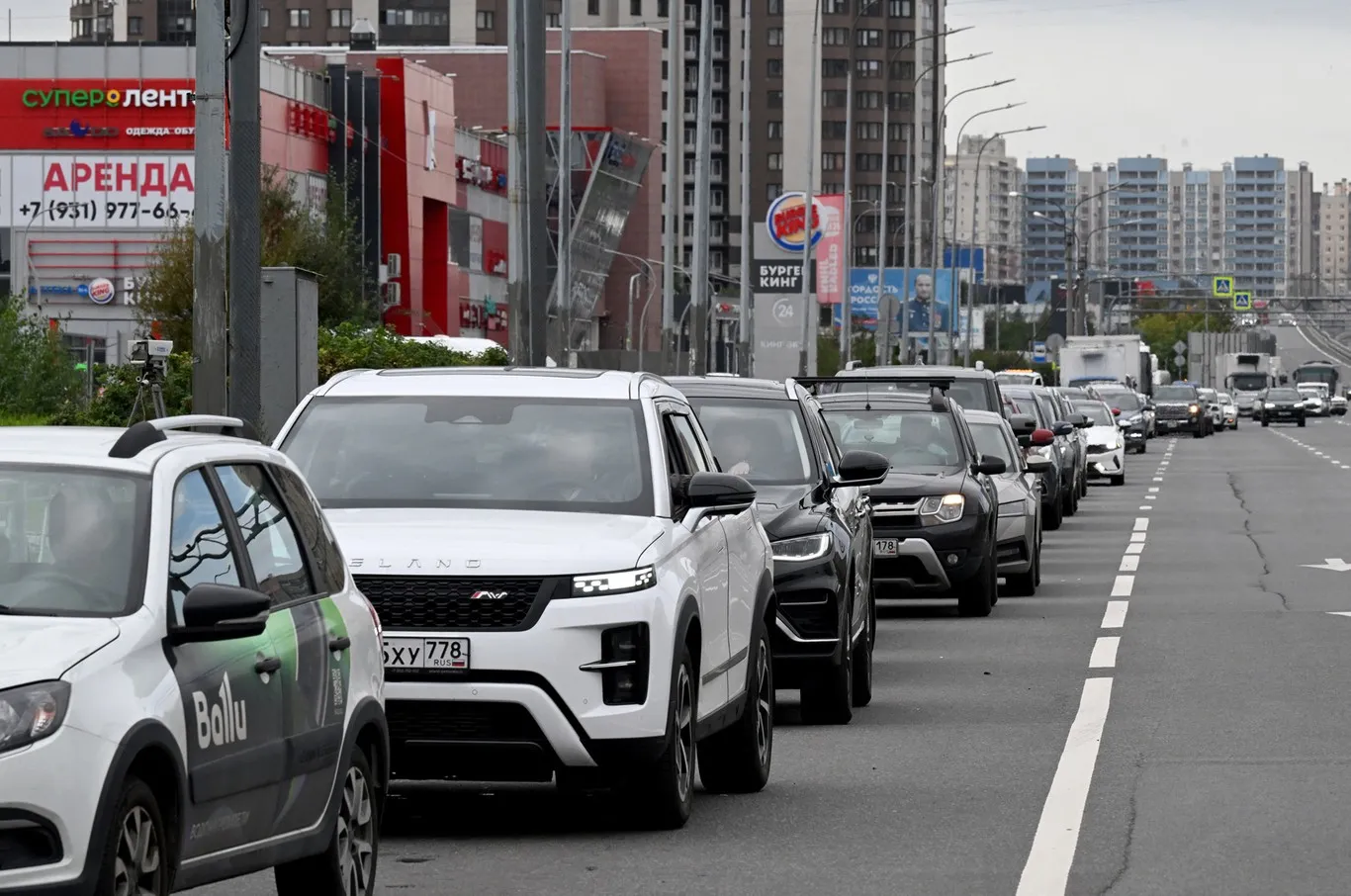
The consequences became apparent to ordinary motorists. During the summer, lines formed at gas stations across various regions of Russia, and some chains limited fuel sales. In August, the fuel shortage spread to regions located in different time zones. Problems arose in Siberia and near the border with China. Russian authorities restricted gasoline exports and, later, the sale of diesel fuel abroad.
In November, the situation at Russian gas stations worsened again. On November 9, at least eight major oil refineries were attacked. Within two weeks, the shortage had returned to at least six regions.
In Karelia, restrictions were imposed on fuel sales at roadside gas stations: no more than 30 liters of gasoline and 50 liters of diesel per purchase. The sale of fuel in canisters was temporarily banned.
Similar restrictions have been introduced at Rosneft gas stations in Ulan-Ude, as well as in the Trans-Baikal Region. Restrictions have also been reported in the Nizhny Novgorod, Arkhangelsk, and Penza regions, as well as in the Krasnoyarsk Territory. In the Trans-Baikal Region, trucks are sometimes forced to wait two to three days for fuel.
The fuel shortage in Russia is directly affecting transportation, agriculture, trade, and the cost of shipping goods. Depending on the route, shipping costs have risen by 15 to 50 percent. The cost of shipping goods from China—which is of strategic importance to Russians—has risen significantly. In particular, the cost of transporting cargo from China to Moscow has increased by nearly a third.
Russian Business: Destroyed Warehouses, Data Centers, and Air Defense
Costs
In July 2026, Ukrainian drones began regularly attacking Wildberries’ warehouse complexes, through which dual-use goods for the Russian army pass. Over the course of three weeks, approximately 20 of the company’s facilities came under attack. Satellite images showed that at least one-fifth of the marketplace’s warehouse capacity had been damaged or destroyed.
Thousands of Russian entrepreneurs who sold goods through the platform felt the impact. Following the attacks, these retail businesses effectively became unprofitable. At that time, more than 3,100 Wildberries franchise pickup points were put up for sale.
As early as August, the Ukrainian Defense Forces expanded their strikes to target Ozon’s logistics infrastructure. Following an attack on a warehouse complex in the Orenburg region, the company evacuated more than 300 people and suspended operations at the facility. The day before, Ukrainian drones attacked the company’s logistics center in the Samara region.
Russian companies, whose revenues support the armed aggression against Ukraine, are now spending money on their own defense: they are funding anti-drone nets, drone detection systems, additional security, engineering defenses, and the restoration of damaged facilities.
Another strategic target of massive drone attacks is Russian data centers. A shortage of server capacity has already been felt in the Vladimir, Kaluga, Leningrad, Nizhny Novgorod, Ryazan, and Saratov regions. Servers linked to the largest technology and financial companies—Yandex, VK, Sberbank, and the Federal Tax Service—have been targeted. According to various sources, approximately 90% of cloud capacity across Russia is already in use, and Moscow has only 50 megawatts of free reserve capacity remaining.
The shortage of available resources and fears of new shelling are forcing Russian businesses to urgently relocate their digital infrastructure abroad, particularly artificial intelligence systems and data backup facilities. Kazakhstan and Belarus are being chosen as relocation destinations.
Air raid alerts across Russia
The geographic scope of Ukrainian retaliatory attacks in response to Russian airstrikes is not limited to the Russian Federation’s border regions. Reports of the threat of air attacks are regularly coming in from the Belgorod, Kursk, Voronezh, Bryansk, and Rostov regions, the Krasnodar Krai, as well as Tatarstan, Bashkortostan, Samara, Leningrad, and other regions.
At the same time, Russian authorities at the federal level are trying to “turn a blind eye” to these attacks. Russia lacks a unified warning system that functions uniformly across all regions. In some places, sirens are sounded; in others, SMS messages or Telegram alerts are sent; and in some cases, people only learn of the danger after the explosions have already occurred. The unreliability of the warning systems stems from the fact that Russian authorities systematically restrict mobile communications and the internet, citing “protection against Ukrainian drones” and internal security as justification. However, the real consequence of these restrictions is merely an intensification of internet censorship.

It is also
telling that after drone attacks on St. Petersburg or Moscow, Russian federal TV channels devote only a few minutes to the events in their news broadcasts. The BBC’s Russian Service calculated that TV news channels covered the Ukrainian drone attack on St. Petersburg on October 18 for less than five minutes, while they devoted over an hour to the unrest in France.
Meanwhile, residents of Moscow and St. Petersburg are discussing pressing security issues on social media. Among the top questions: where is safer to be during airstrikes—in an apartment or on the street? They complain that sirens aren’t sounding in the cities to prevent panic, and there’s no list of bomb shelters—the addresses are classified until martial law is declared.
On Threads, Muscovites are already discussing whether they are ready to leave their jobs, homes, and normal lives behind in order to get as far away from the war as possible. Medical professionals note that for many Russians, the danger is becoming a constant in the background. At the same time, pediatric neurologists are noticing an increase in cases of PTSD, neuroses, and depression among their patients.
Paradoxically, these discussions are by no means accompanied by a negative attitude toward the war of aggression waged against Ukraine. According to opinion polls, Muscovites in August and September 2026 were more likely to support military operations than Russians as a whole. In August, these figures stood at 51% and 31%, respectively. By September 2026, 46% of Moscow residents surveyed supported continuing the war, while in Russia as a whole, that figure was 27%.




