
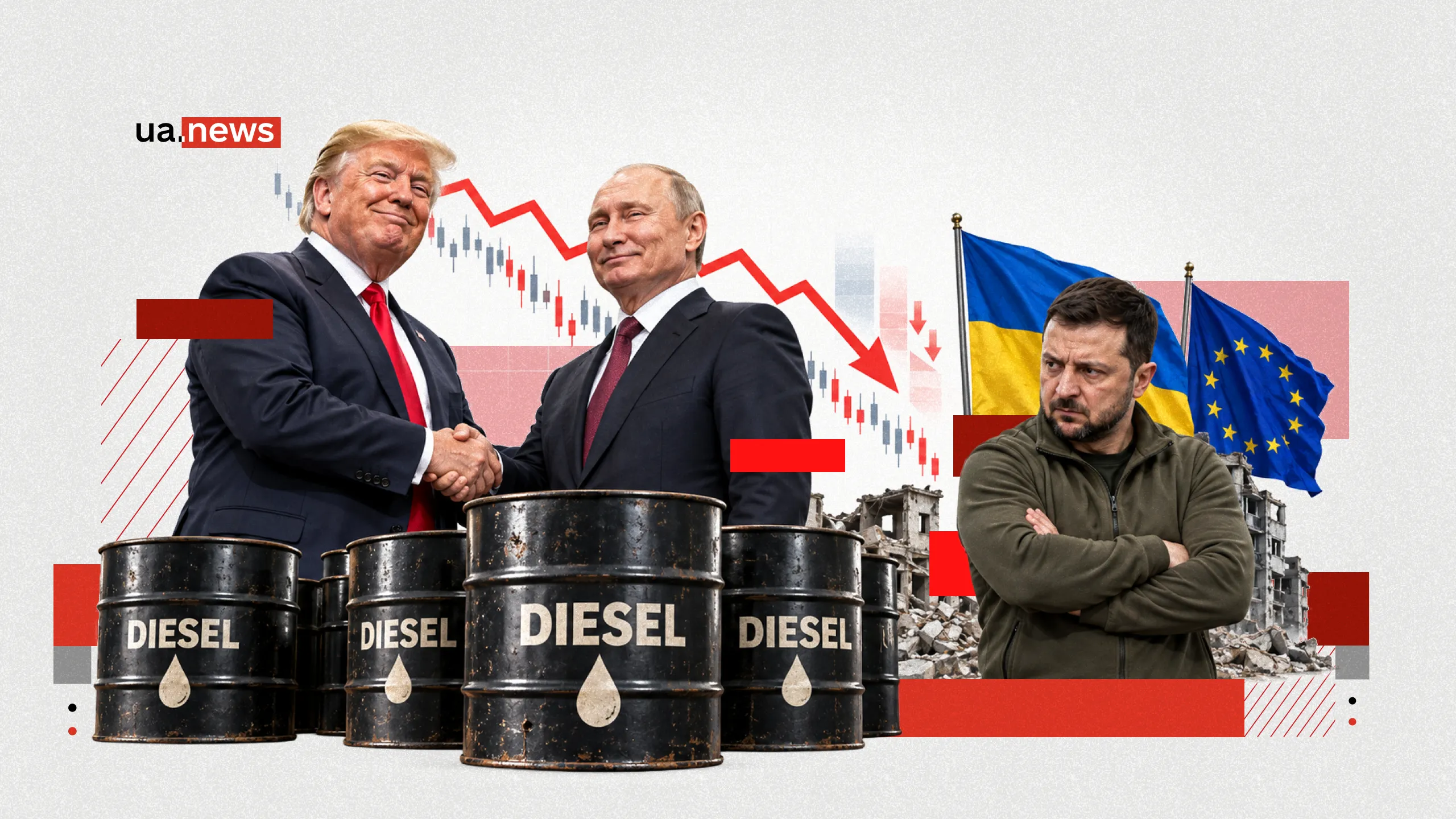
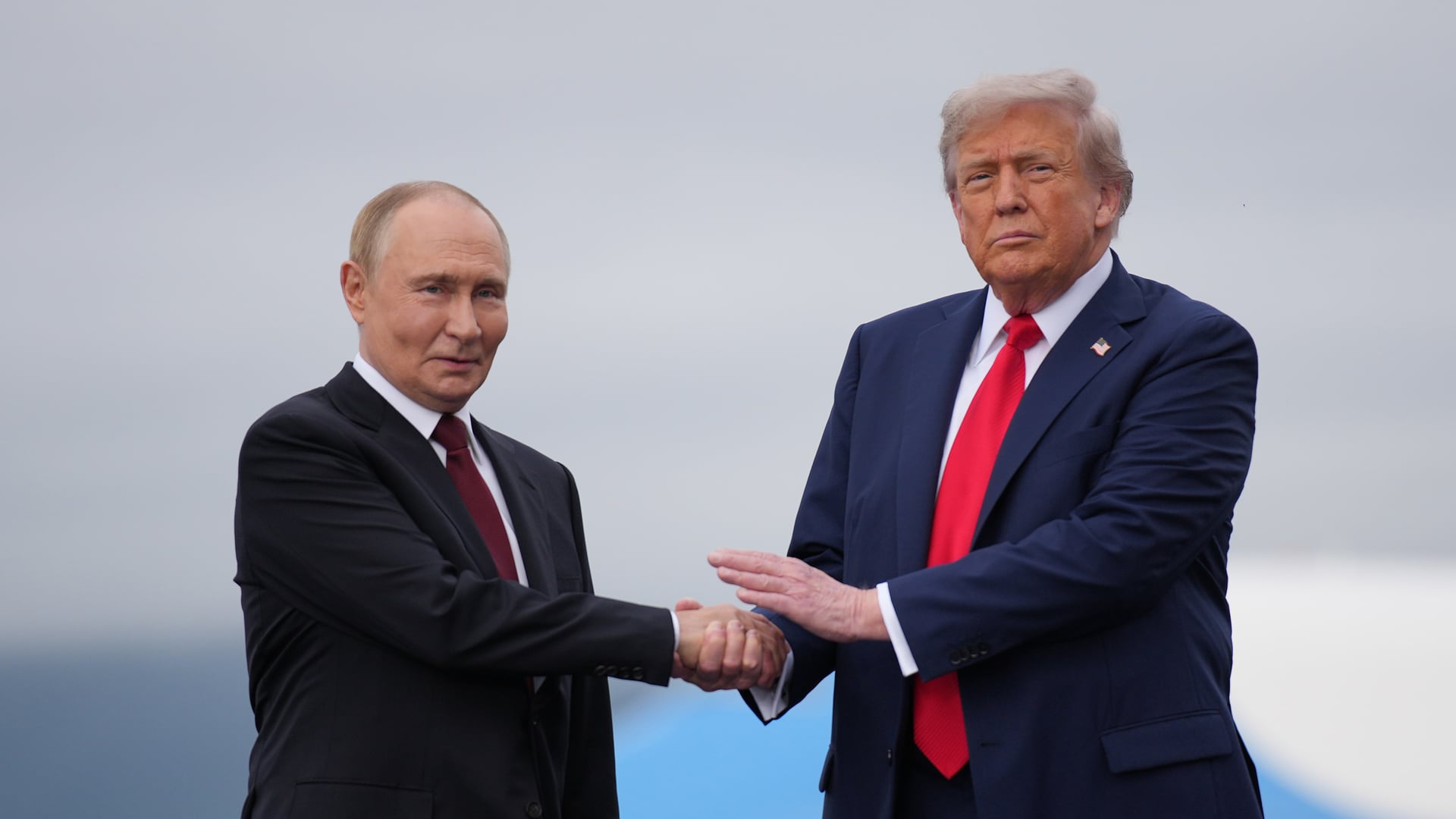
On Saturday, October 10, U.S. President Donald Trump announced—rather suddenly—an agreement with Putin regarding the supply of Russian diesel to the global market. According to him, Russia will immediately supply more than 300,000 metric tons, followed by another 500,000 metric tons shortly thereafter, then one million metric tons, and an additional three million metric tons in the future. On the same day, the U.S. Treasury Department issued a temporary license authorizing these shipments through April 2027. In other words, this amounts to a sudden and unilateral lifting of sanctions against Russian diesel, which plays a significant role in the aggressor country’s overall export structure.
The global reaction was, to put it mildly, mixed. Russia’s supporters greeted the news with triumph, while in Ukraine, Europe, and among Trump’s opponents, the move came as a shock. Even within the Republican Party, some argued that Washington was rewarding Putin instead of pressuring him to end the war.
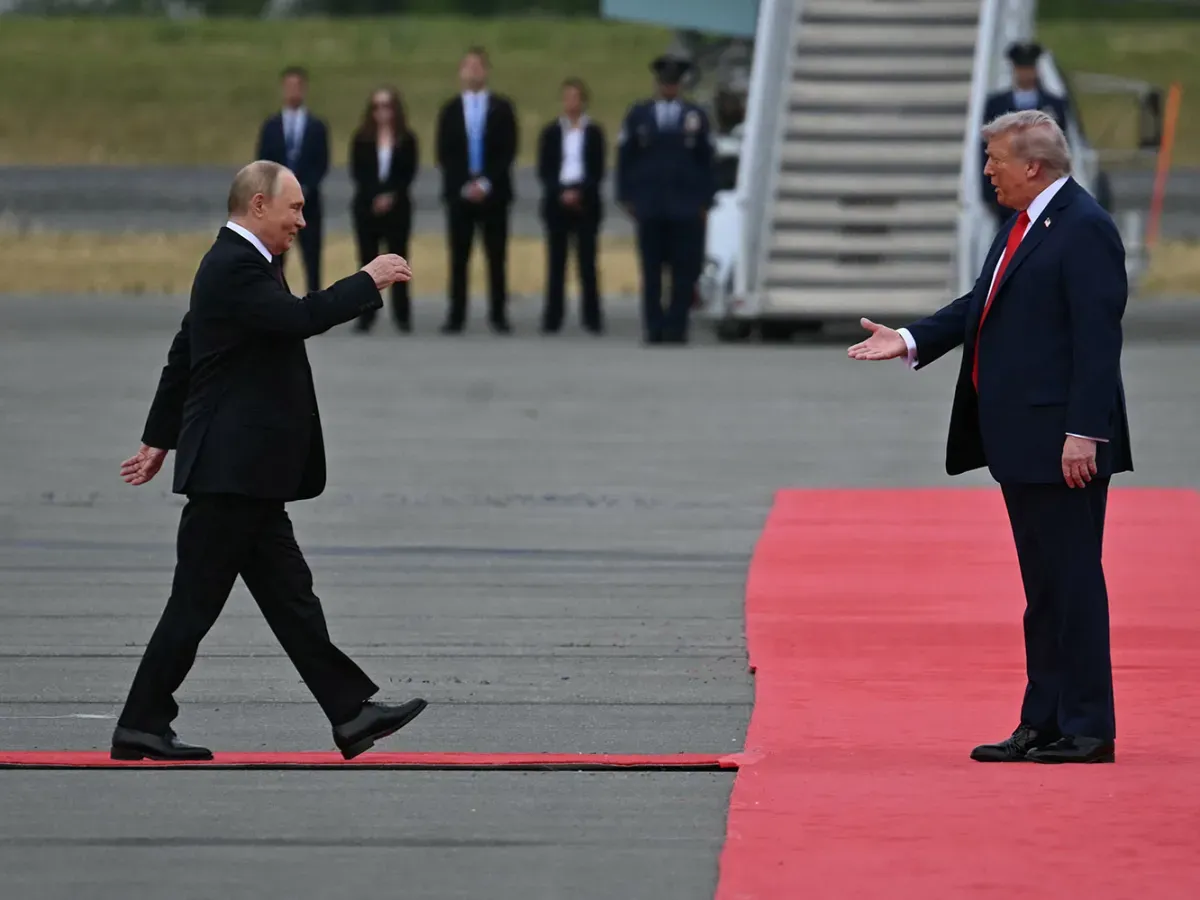
But behind all the sensational headlines lies something more important. The diesel deal isn’t really about fuel, or even the economy. It’s a political act that demonstrates once again: Washington is ready and eager to deal directly with Moscow, without looking back at either Kyiv or Brussels. And that was just the first step—over the next 48 hours, the political and diplomatic landscape surrounding Ukraine changed irrevocably, as Trump began to strongly call for a change of power in Kyiv and the holding of elections. According to media reports, this once again caused “surprise and shock” among Zelenskyy and his team.
Why does Trump need a diesel deal with Putin? What will the U.S. actually get in return, and what will Moscow get? What is the role of Ukraine and Europe in this process, and how will all of this affect the war? UA.News political analyst Mykyta Trachuk, together with experts, examined the issue.
The political, not economic, nature of the deal
Formally, everything that has happened appears to be a fight against high fuel prices. In the U.S., diesel costs about $6.30–6.50 per gallon (that’s about 3.7 liters)—a crucial factor in American politics that’s hurting Republicans ahead of the midterm elections. But the volumes from Russia mentioned in Trump’s statements are too small to actually change the market. The 300,000 metric tons currently on their way to the U.S. wouldn’t even cover one day’s (!) consumption. Even a full resumption of Russian exports would have no effect as long as Ukraine continues to strike Russian oil refineries. In other words, as an economic deal, it’s virtually ineffective.
But as a political act—it works perfectly. The authorization to export diesel significantly increases Russia’s revenue and expands its resources for the war, without requiring any concessions from Moscow. Trump has separated two issues that were previously linked: the lifting of sanctions and the cessation of attacks on Ukraine’s energy sector. Russia has received a significant easing of the sanctions regime, and yet it owes nothing in return. This is an absolute political triumph for Putin—there’s no other way to put it.
It is known that Trump initially demanded that Kyiv unilaterally cease strikes on oil refineries. Zelenskyy refused—reportedly as many as six (!) times—insisting on reciprocal steps from Moscow. On the seventh attempt, Trump decided to negotiate directly with Putin. This effectively buried the idea of a reciprocal energy truce, which Kyiv had been pushing for months.
What’s more: according to media reports, the Americans threatened to halt the transfer of intelligence to the Ukrainian Armed Forces if the strikes on oil refineries continued. This would drastically reduce both Ukraine’s combat capabilities and its already—unfortunately—limited ability to effectively repel Putin’s airstrikes—or even to detect them in advance.
Ukraine and Europe’s
reaction: shock and helplessness
Kyiv reacted quite emotionally. Zelenskyy made it clear that he considers Trump’s decision to be weak and wrong. Incidentally, the Ukrainian delegation was in the United States on Saturday for talks with American and European officials—and was caught off guard. The talks were cut short.
For the Ukrainian government, all of this looks like a strategic defeat and a “stab in the back” from American partners. Kyiv’s entire strategy for 2026 was built on actively striking at Russia (in particular, at oil refineries) and thereby negotiating an energy and maritime truce on a reciprocal basis, and, in the event of Moscow’s refusal, to push Trump to adopt the “hellish sanctions” named after Lindsey Graham. At the same time, the exact opposite happened: Washington lifted some of the sanctions without asking for anything in return for Ukraine and, it seems, without even trying to do so. One of Kyiv’s key levers of influence was broken by the cooperation between Trump and Putin.
Europe also reacted to the situation with acute bewilderment. Official Brussels and European officials made it clear that they would continue to support Kyiv and maintain sanctions pressure on Russia, even in spite of the United States’ position and actions. It is symbolic that today, Monday, October 12, the Europeans swiftly adopted the 22nd package of sanctions against Russia. However, it is quite likely that its effectiveness will be the same as that of all the previous 21 packages and will not radically affect Russia’s ability to wage war.
Interestingly, U.S. Treasury Secretary Scott Bessent, in response to the EU’s stance, called the Europeans’ reaction hypocritical, pointing out that they themselves have not stopped using Russian energy resources. According to the official, since the start of the war, European countries have paid Russia more money than they have provided to Ukraine, as they have been unable to completely abandon Russian energy resources. And it’s hard to argue with that, since the very same EU, which so resolutely supports Ukraine and so vehemently opposes lifting sanctions, has imported a record 12 million metric tons of liquefied natural gas from Russia since the beginning of 2026, bringing Putin about €8 billion to fund his war.
This spat, however, has laid bare a deeper problem: a united Western front against Russia has long since ceased to exist. Washington is striking its own bilateral deals with Moscow, completely ignoring the position of its allies. For European leaders, who have invested enormous political and financial resources in supporting Ukraine, this naturally feels like a stab in the back.
An
Ultimatum to Zelenskyy and the Future of the Energy Truce
On Sunday, Trump made two more significant statements. The first was a repeated public call for Zelenskyy to step down and hold elections. Trump called him the main obstacle to ending the conflict and stated that the Ukrainian president “doesn’t know how to make deals and never makes them.” Trump’s supporters—including Elon Musk—immediately picked up on this point. The Ukrainian leader responded, as he usually does, that he is ready for elections but cannot hold them right now. As a condition, he called for a 60-day ceasefire, which Russia will obviously never agree to—the Kremlin has already rejected the idea.
Trump’s second statement was the announcement of an energy truce between Russia and Ukraine. In a post on Truth Social, Trump wrote that both sides had allegedly agreed to this and that the truce was in effect as of that moment. On social media and in Trump’s own little world, everything was wonderful; however, the problem is that neither Moscow nor Kyiv had heard anything or knew that there was now, apparently, a truce between them. Zelenskyy immediately commented on this, stating that Ukraine was ready for such a ceasefire. Russian officials at the highest levels, however, made no comment on the situation at all and calmly continued to strike energy facilities.
The result was a rather bizarre situation: only one person in the world knew about the alleged “ceasefire.” And even then, it turned out that he had simply made it up.
It looked like an attempt to deflect criticism following the diesel deal. By announcing a ceasefire, Trump clearly wanted to show that his agreements with Putin were yielding concrete results for Ukraine. But since Moscow is silent and Kyiv has merely expressed its willingness, this is more of a very strange PR stunt than serious diplomacy. It creates the illusion that Washington is supposedly in control of the process—when in reality it controls nothing and merely reacts sporadically to various events.
The
Consequences of the Diesel Deal for Ukraine and the World
As a result of the diesel deal between Trump and Putin, first of all, the notion of a unified Western world is being permanently shattered. Trump has shown that the U.S. is ready to negotiate directly with Moscow. For the EU, this is also a signal that significantly fuels the voices of right-wing populists demanding the restoration of all relations with Russia.
Second, Ukraine has lost its main lever of influence over Washington—the threat of strikes on oil refineries as a bargaining chip in complex multilateral negotiations. And the threat from the U.S. to halt intelligence sharing and/or shut down Starlink undermines the Ukrainian Armed Forces’ ability to operate behind Russian lines. If this actually happens, Kyiv’s military capabilities will be significantly curtailed, and its diplomatic position will weaken even further.
Third, October 18 is approaching—the deadline by which the administration must either impose “severe sanctions” against buyers of Russian energy resources (i.e., against itself) or explain its refusal to Congress. Following the diesel deal, the likelihood of sanctions is minimal, but pressure from Democrats, hawks within the administration, and Europe will clearly increase.
Fourth, and this is perhaps the most important point—the whole world has received an important political and symbolic signal: sanctions against Russia can simply be lifted, and nothing will happen. This is a crucial argument for anyone who wants to cooperate with Russia but is afraid or is somehow secretly circumventing Western sanctions. If the Americans can do it, why can’t everyone else? The question is rhetorical.
Expert
Opinion
Political analyst Maksym Honcharenko believes that Donald Trump’s agreements with Vladimir Putin regarding Russian diesel fuel and the “energy truce” announced by the U.S. president highlight the main problem with the current negotiation process. Washington is seeking a quick result that can be seen here and now. But so far, it has not shown how to ensure Moscow’s compliance with the agreements.
“Trump’s motivation isn’t necessarily a desire to make concessions to the Kremlin. First and foremost, it’s about appealing to the domestic audience. After months of instability in the fuel market, it is crucial for Trump to show Americans that he is capable of constructively influencing this market. All of this is happening on the eve of the midterm congressional elections. Thus, the energy agreements and this show of strength in the market have their own audience—American voters. The strategic contradiction here runs deeper: against the backdrop of short-term economic gains, the U.S. is at odds with the long-term plan to restrict Russia’s trade in resources and bring it out of the war. And here we see a telling disagreement: among both Trump’s opponents and his fellow party members.
An even more serious problem is the “energy truce” announced on October 11… Of course, such a “unilateral” truce did not work for both sides. Russia has continued its attacks on Ukraine’s energy sector, and Ukraine still targets Russian oil refineries. And against this backdrop, negotiating trade with Russia means failing to exert pressure either through force (by waging an economic struggle) or through diplomacy (by seeking avenues for dialogue between countries at war),” Goncharenko noted.
According to the expert, two parallel processes are possible in the near future. The White House will seek new ways to secure an agreement that can be sold as a diplomatic success. The Kremlin will try to convert this into economic and political concessions without backing down from its demands. Ukraine, meanwhile, finds itself in a situation of political asymmetry, where Moscow reaps immediate benefits without being compelled to curb its aggressive ambitions, while Washington offers it a “reward” without making any concessions.
“In general, our main task is to prevent the dispute with Washington from becoming an end in itself, but also to refuse to accept unilateral restrictions on our own actions. Kyiv should insist on a symmetrical cessation of attacks, the involvement of international monitoring mechanisms, clear security guarantees, and coordination with the U.S., Congress, and European partners. The greatest risk lies in a scenario where Russia receives concessions without changing its behavior, while Ukraine receives only promises of future security. “The peace process will only become a reality when political statements are backed by tangible actions and mechanisms of influence,” Maxim Goncharenko asserts.
In
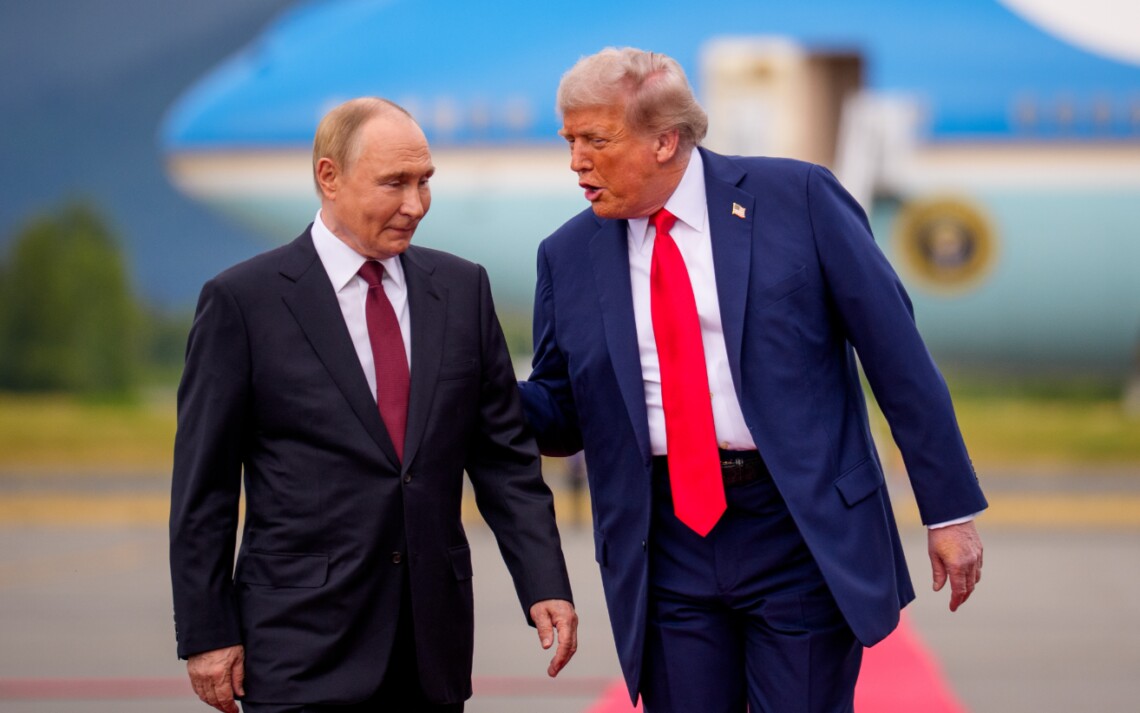
summary, the diesel deal is not about fuel. It is a political trade-off in which Washington sacrificed both Ukrainian interests and common sense for the sake of its domestic policy and bilateral agreements with Moscow. Trump separated the lifting of sanctions from the cessation of attacks on the energy sector, granting the Kremlin political, symbolic, and economic concessions without any commitments from the latter regarding de-escalation. Kyiv’s strategy for a reciprocal ceasefire has clearly been undermined.
For Ukraine, the consequences could also be critical: the loss of one of its few levers of influence, the threat of a halt to intelligence support, and in the event of an escalation of the conflict with Trump, personal sanctions against the Ukrainian leadership or the release of certain compromising materials—which Washington may have in its possession—cannot be ruled out. Whether Trump will ultimately withstand the pressure from Congress, the Democrats, Ukraine, and Europe remains to be seen. But one thing is certain: the diesel deal has once again changed the rules of the game, and there will be no going back to “the way things were.”




